Let's Build
Wearable Engineering Partner

Build Wearables
That Actually Ship.

From sensor integration to certified mass production — NexPCB is the engineering partner for hardware teams building next-generation wearable devices.

Electronics Engineering
Layout · DFM · PCB Fabrication · Assembly · Testing
Mechanical Engineering
DFX · Materials · Molding · Machining · Surface Finish
FCC · CE · IC · KC
Market certifications supported
18+ Wearable Projects
Health, safety, sports & medical

Comprehensive Wearable Services

From Innovation Consulting and PCBA to Supply Chain coordination and Lifecycle Management — NexPCB covers every stage of wearable programs product journey.
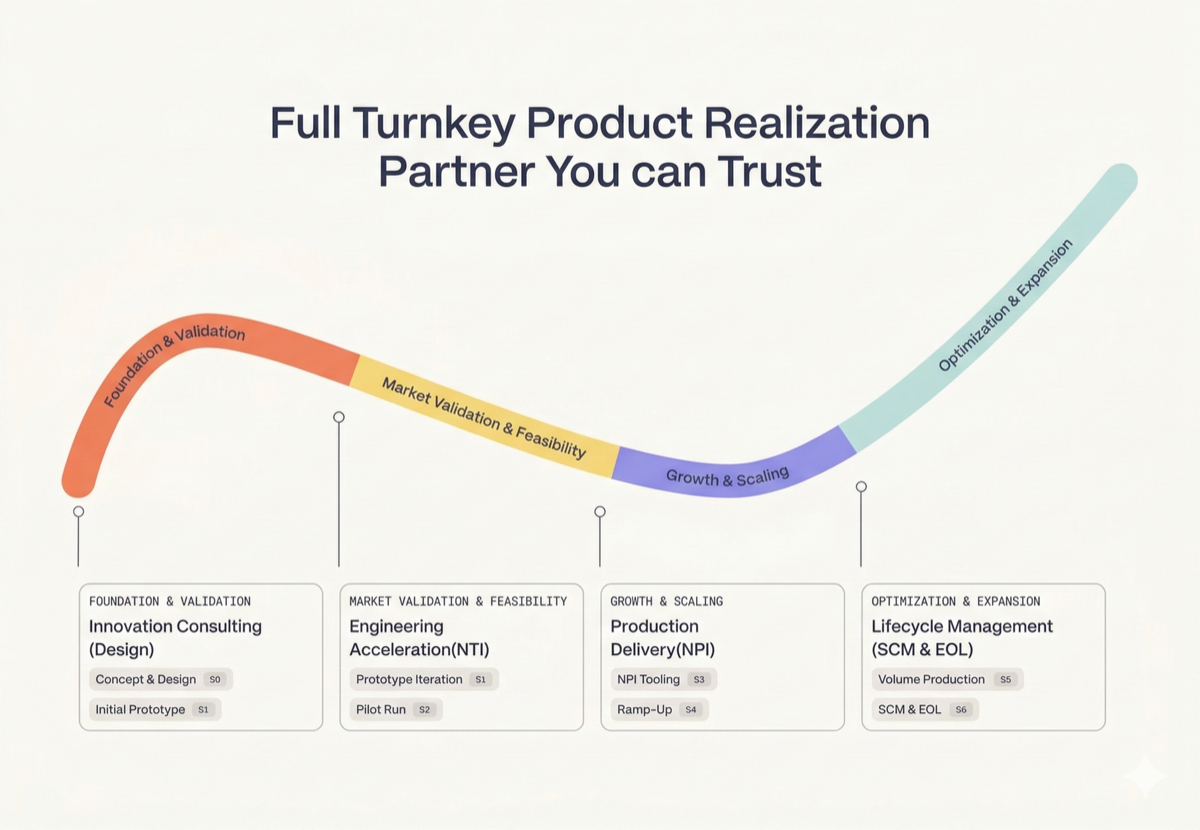
Product Lifecycle Journey

What It Takes to Build Wearable Hardware Right

Core hardware disciplines developed in parallel — reducing integration risk and supporting consistent performance from prototype through to production.
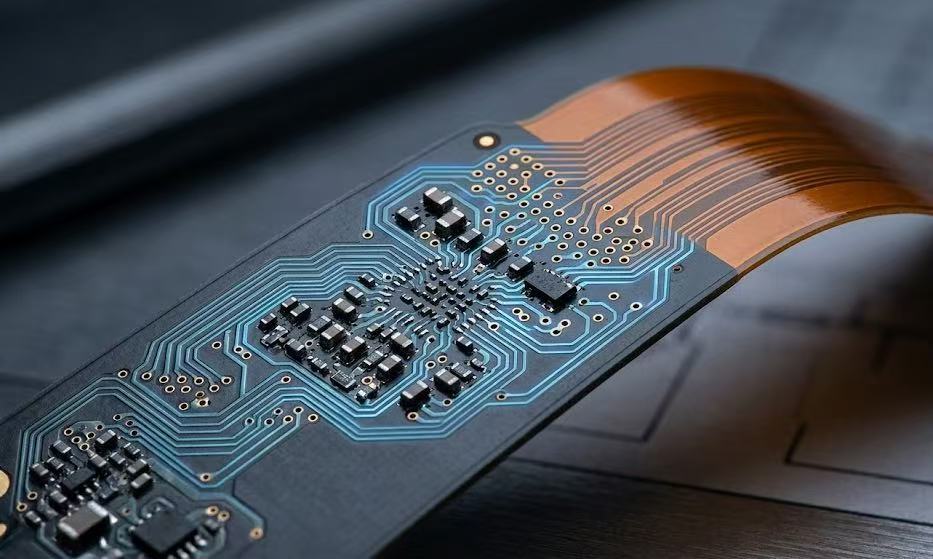
Flexible PCB assembly — the engineering foundation of every wearable device
01

Sensor Layer

Stable data capture under motion, skin contact and ambient light interference.

  • IMU, optical PPG, ECG, EEG, IR temperature, barometric and EMG
  • Low-noise signal acquisition & ambient interference control
  • Multi-sensor I²C/SPI bus architecture
02

Structure & Antenna

Enclosure geometry and antenna placement are co-designed — housing directly affects RF performance and assembly integrity.

  • Enclosure-aware antenna placement & RF clearance
  • PCB-trace, chip and flex antenna for compact form factors
  • Button design & mechanical interaction engineering
  • Material selection for housings and structural components
  • Stacking tolerance and assembly control
03

Processing & Firmware

MCU and SoC selection matched to sensing load, connectivity protocol and power budget.

  • Nordic nRF52/53, Qualcomm, ESP32, STM32 & custom modules
  • Sensor fusion, signal conditioning & edge processing
  • BLE 5.x, Wi-Fi, Zigbee and Thread firmware
  • Ultra-low power operation for continuous monitoring
04

Power Management

Battery selection, longevity and safe operation are standalone design decisions in every wearable program.

  • Battery sizing for form-factor & runtime (Li-ion / LiPo)
  • PMIC with CC/CV charging, NTC & multi-rail regulation
  • Sleep / standby minimization & power-state control
  • OVP, OCP and thermal protection architecture

Built as a system, not in isolation — every layer developed with cross-dependencies in mind, from first prototype to stable production.

How Wearable Products Get Production-Ready

A structured set of engineering methods that bridge a validated design to a product that builds reliably and consistently at production scale.
Reduce integration risk Stable batch-to-batch output Certification-ready

DFM & Product Engineering

Align sensor performance, CMF and assembly tolerances to what production can consistently deliver — from day one.

ManufacturabilityDesign for AssemblyCMF IntegrationTolerance Control

Stronger alignment between design intent and production output — with fewer costly design iterations.

Consistency Engineering

QC definition, process control and pilot validation for repeatable signal output and stable build quality at scale.

QC StandardsProcess ControlBatch StabilityPilot Validation

Consistent signal output and build quality across batches, with tighter process variation control.

Reliability Testing

Validated against the stress patterns of real-world wearable use — beyond what a spec sheet can anticipate.

Salt SprayThermal CyclingArtificial SweatDrop / FatigueWaterproof / IPxUV ResistanceHigh-Low Temp Cycling

Test evidence that supports a confident production release and reliable field performance.

Certification & Compliance

Regulatory and certification requirements are integrated into the engineering process early, enabling efficient validation and smooth market entry.

FCC / IC / CE / UK CA / KC / MIC ISO 9001 / 13485 / 14001 / 45001 SAR

Fewer certification iterations and a cleaner path to regulatory approval and market entry.

A Selection of Programs We've Delivered

Health WatchHealth & Wellness

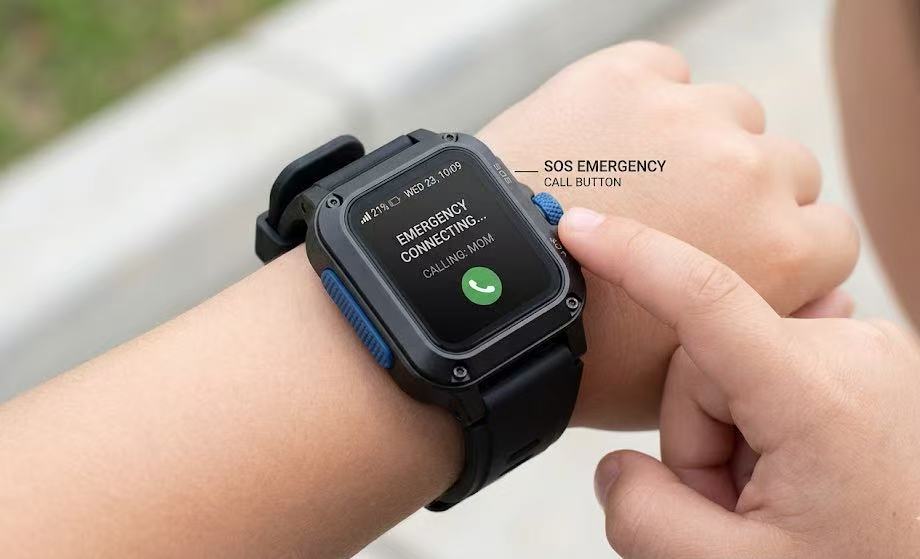
Smart Health Monitoring Watch

  • PPG + IR temperature + 3-axis accelerometer
  • BLE 5.2 (Nordic nRF5340), IPX5 waterproof
  • CNC + silicone overmold enclosure
Workplace SafetyIndustrial Safety

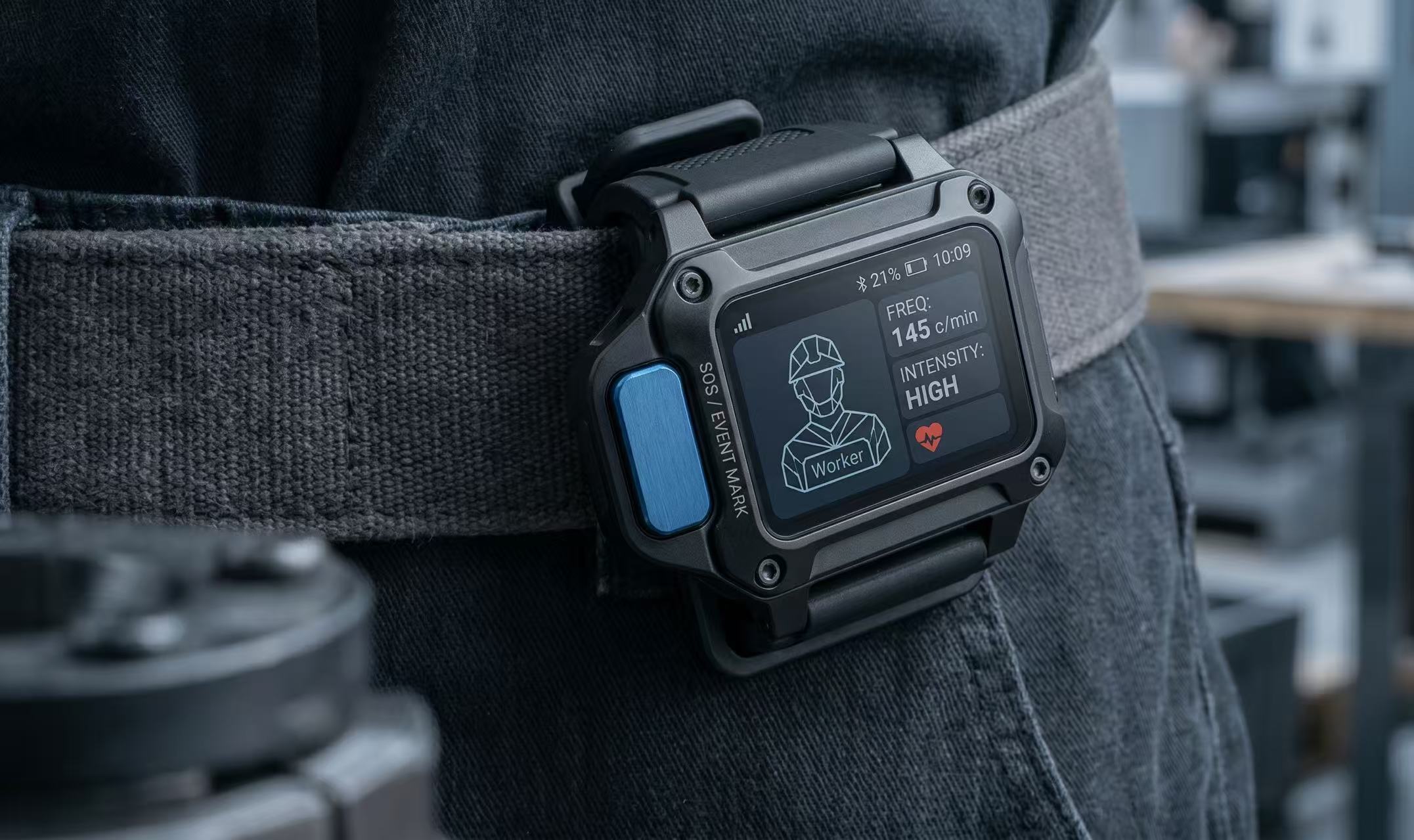
Injury Prevention Wearable

  • IMU + barometric pressure — motion & posture monitoring
  • Magnetic assembly, magnet overmolding process
  • Battery deep-discharge analysis & cycle life optimization
Children's SafetyAquatic & Child Safety

Swim-Proof Safety Wristband

  • ML accelerometer (LIS2DUXS12), BLE 5.0 + RF range extender
  • Epoxy encapsulation, magnetic charging
  • Poolside LED alert hub, 120 / 220 VAC charging
Smart TextilesMedical Rehab

Pelvic Floor Rehabilitation

  • Conductive fabric electrodes, non-invasive EMG capture
  • Vacuum packaging for bio-compatible medical electrodes
  • BOM re-qualification, production rescue
AI RingSmart Audio & AI

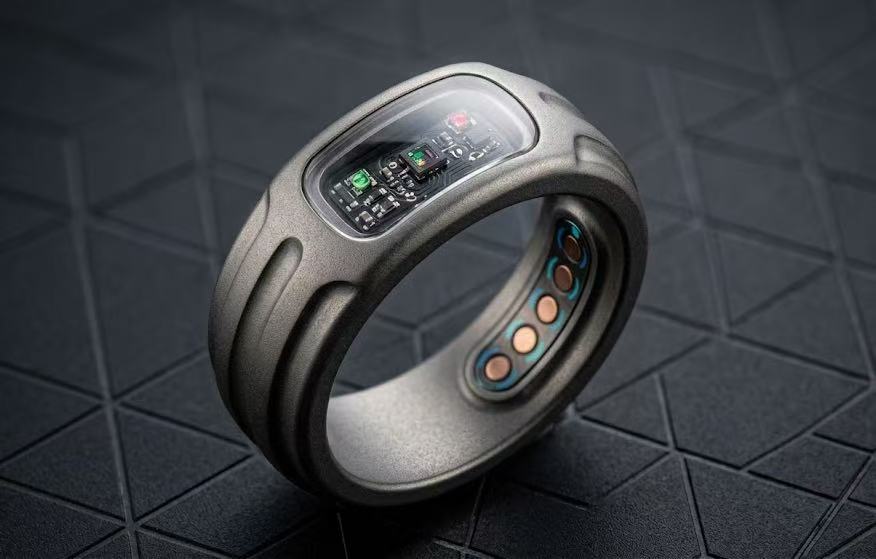
AI-Powered Smart Ring

  • Qualcomm audio SoC, rigid-flex PCB
  • Titanium housing with acoustic micro-holes
  • Bone conduction + MEMS microphone integration
Health BraceletFitness & Lifestyle

Ultra-Thin Health Bracelet

  • Optical PPG + motion tracking, 8 mm ultra-thin profile
  • Titanium sensor plate
  • Jewelry-grade CMF finish

Common Questions from
Wearable Hardware Teams

What development stages does NexPCB support for wearable products?
Support spans from early-stage innovation consulting through engineering validation (EVT/DVT), pilot production (NPI), and stable volume delivery. Programs can be engaged at any stage based on where the project currently stands.
Can NexPCB handle both PCB and mechanical enclosure design in the same program?
Electronics engineering (PCB layout, DFM, PCBA) and mechanical engineering (enclosure design, material selection, tooling) are managed within the same program — enabling co-design decisions that reduce integration risk, especially for antenna placement, optical path alignment and waterproofing.
What environmental and durability testing does NexPCB offer for wearables?
Available testing includes salt spray, thermal cycling, artificial sweat, drop and fatigue, waterproof/IPx validation, UV resistance and high-low temperature cycling. Scope is defined based on the product's intended use environment and certification requirements.
How does NexPCB approach battery safety and certification?
Battery selection considers form-factor constraints, runtime targets, cycle life requirements and safe chemistry choices (Li-ion / LiPo). PMIC selection, CC/CV charging design, NTC temperature monitoring and transportation certification (UN38.3) are integrated as part of the power management scope.
Which wireless certifications has NexPCB supported for wearable products?
FCC, IC, CE, UK CA, KC and MIC certifications have been supported across wearable programs. Certification readiness is built into the engineering process early — covering antenna design, RF clearance, EMC layout practices and pre-compliance testing before formal submission.
How does NexPCB manage supply chain risk for lower-volume wearable programs?
Pre-production BOM reviews are conducted to identify at-risk components, with alternates recommended where appropriate and safety stock planning aligned with production schedules. For programs with specialized sensors or PMICs, qualified distributors are engaged and long-lead procurement is coordinated early.
Start Your Project

Your wearable, engineered to ship.

Concept to certified production — tell us where you are, and we'll take it from there.