Mechanical Engineering / Manufacturing
Mechanical Engineering to Accelerate New Product Development & Validation
We provide full-process manufacturing capabilities—from additive to subtractive—for structural parts across all stages, from prototyping to mass production. Supporting 40+ materials with precision up to ±0.05mm, we excel in complex geometries, multi-material integration, and high-strength designs. Our engineering expertise and quality system ensure consistency and reliable delivery.
Talk To An Expert
We provide full-process manufacturing capabilities—from additive to subtractive—for structural parts across all stages, from prototyping to mass production.
Supporting 40+ materials with precision up to ±0.05mm, we excel in complex geometries, multi-material integration, and high-strength designs. Our engineering expertise and quality system ensure consistency and reliable delivery.
Mechanical Manufacturing Capabilities
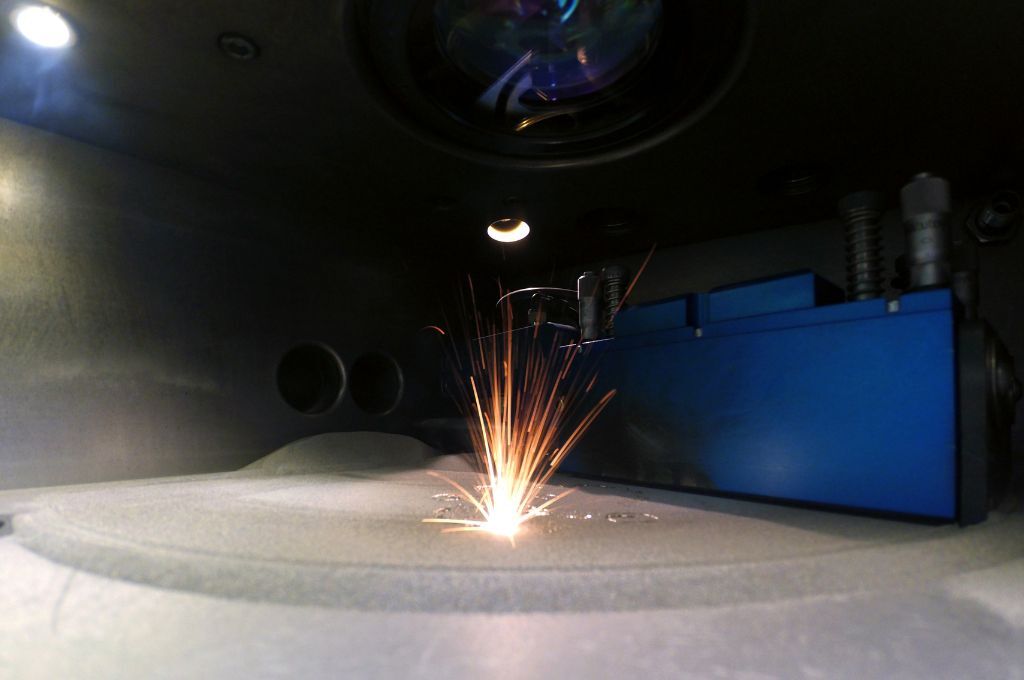
Additive Manufacturing 3D Printing
- FDM (Fused Deposition Modeling)
- SLA (Stereolithography Apparatus)
- SLS (Selective Laser Sintering)
Equal Material Manufacturing
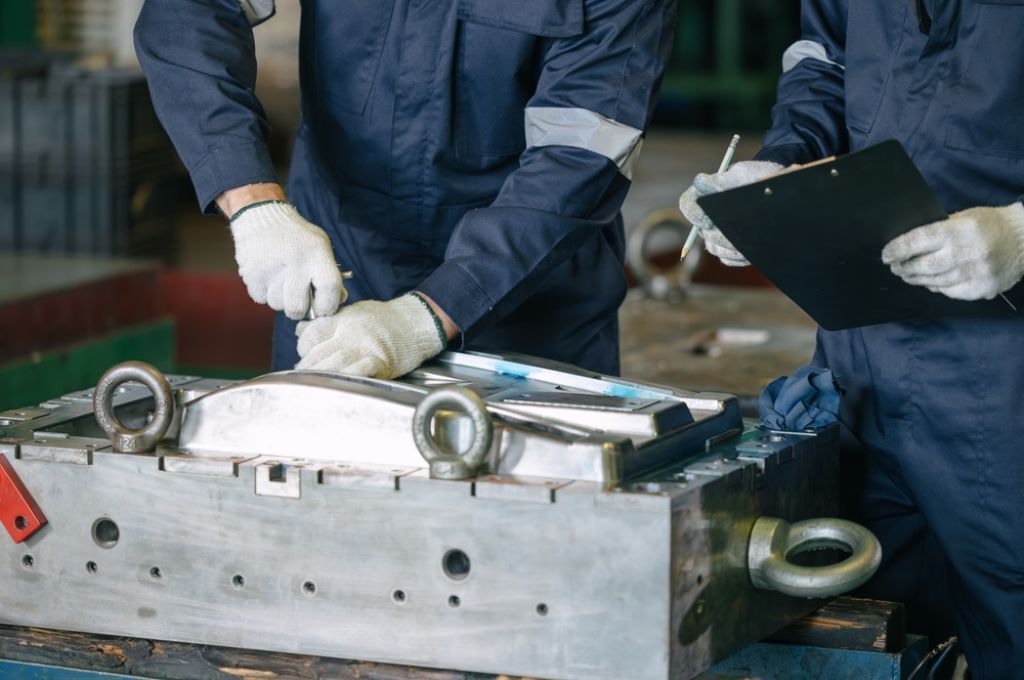
- Injection Molding
- Overmolding in Injection Molding
- Double Shot Injection Molding
Subtractive Manufacturing
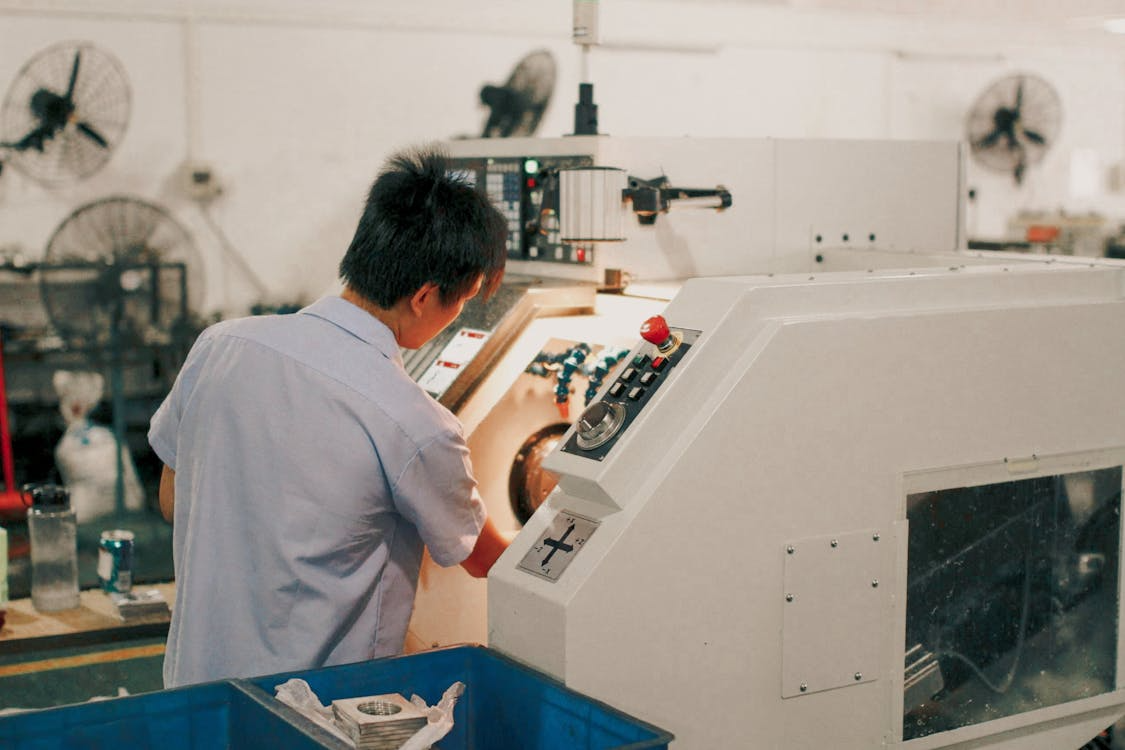
- CNC Machining
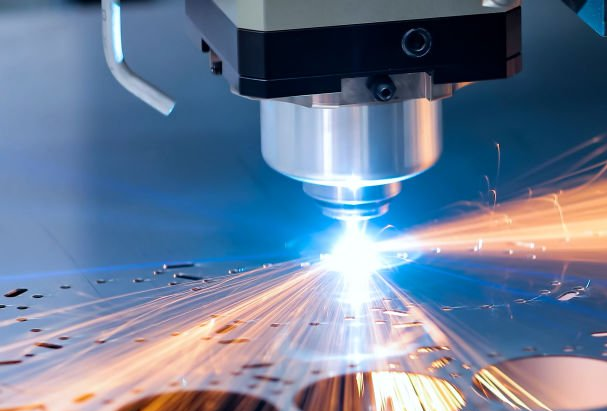
- Laser Cutting
Quality Objective Setting Capability
By conducting DFM (Design for Manufacturability) analysis, we engage in quality target setting at the early project stage to ensure alignment between design and production standards. This includes:

Industry Standard Alignment
Establishing quality standards compliant with industry norms (e.g., ISO, ASTM), covering key metrics such as material performance, process tolerances, and reliability testing.

Risk Management
Proactively addressing potential mass production risks through design-stage failure mode analysis (e.g., tolerance stack-up, assembly interference), ensuring quality consistency from small-scale to large-scale production.
Key Process & Material Selection Capability
Demonstrating specialized proficiency in multi-material systems and composite process technologies to deliver customized solutions:
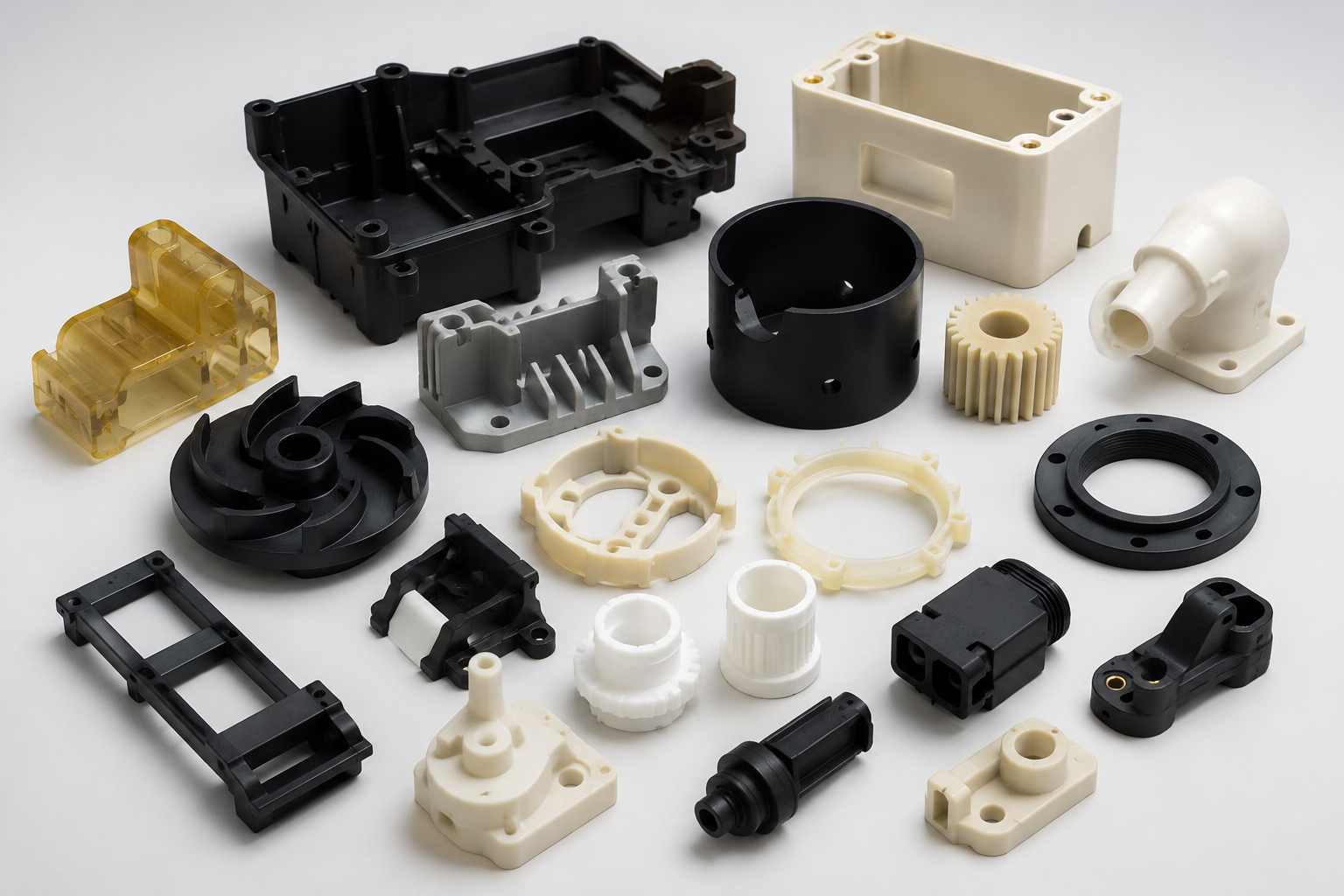
Plastic Components
Recommending materials (e.g., ABS, PC, PEEK) based on functional requirements (high-temperature resistance, impact resistance, lightweighting, etc.).
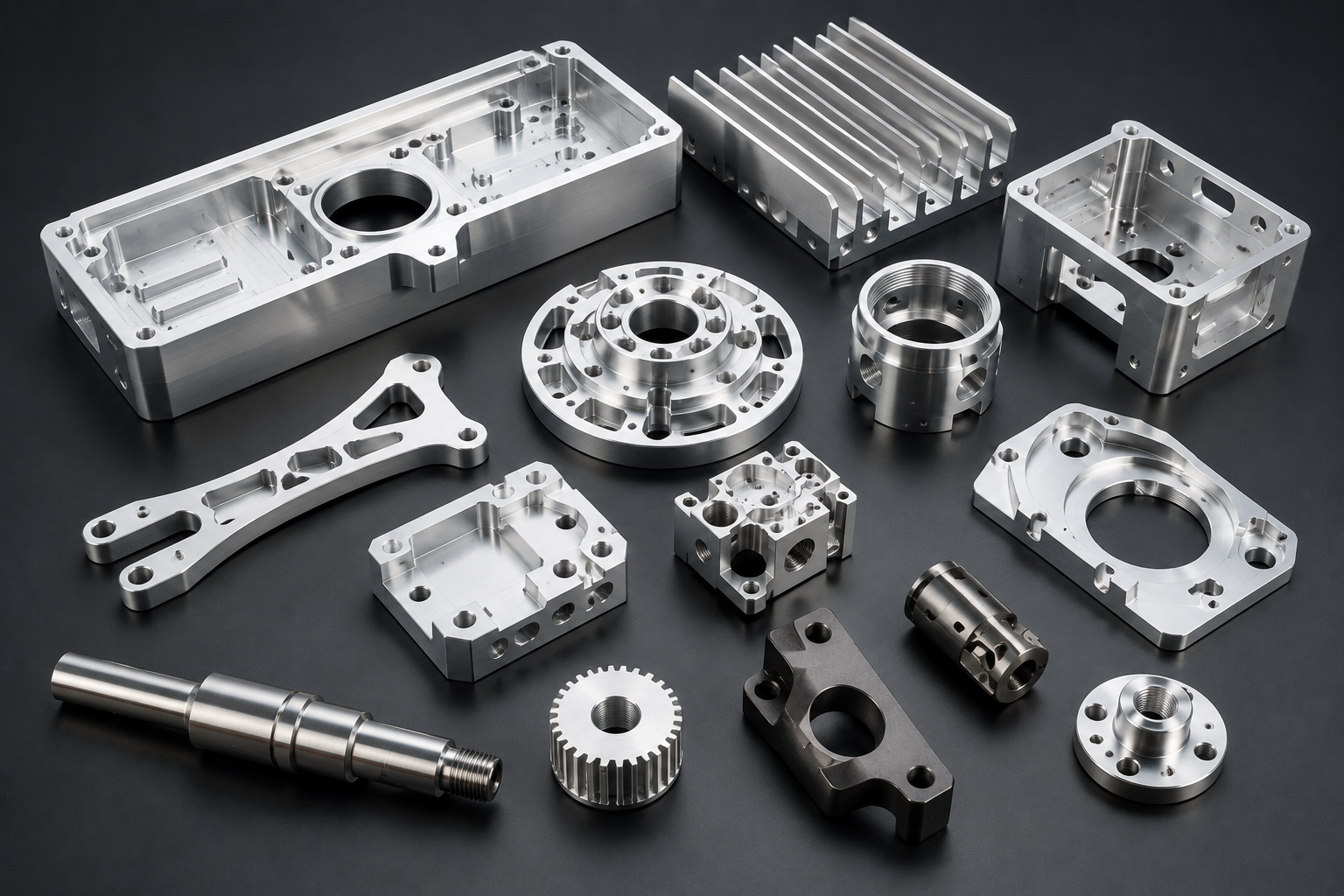
Metal Components
Optimizing material selection (e.g., aluminum alloy, stainless steel) for strength and corrosion resistance, balancing cost and performance through processes like CNC machining and die casting.
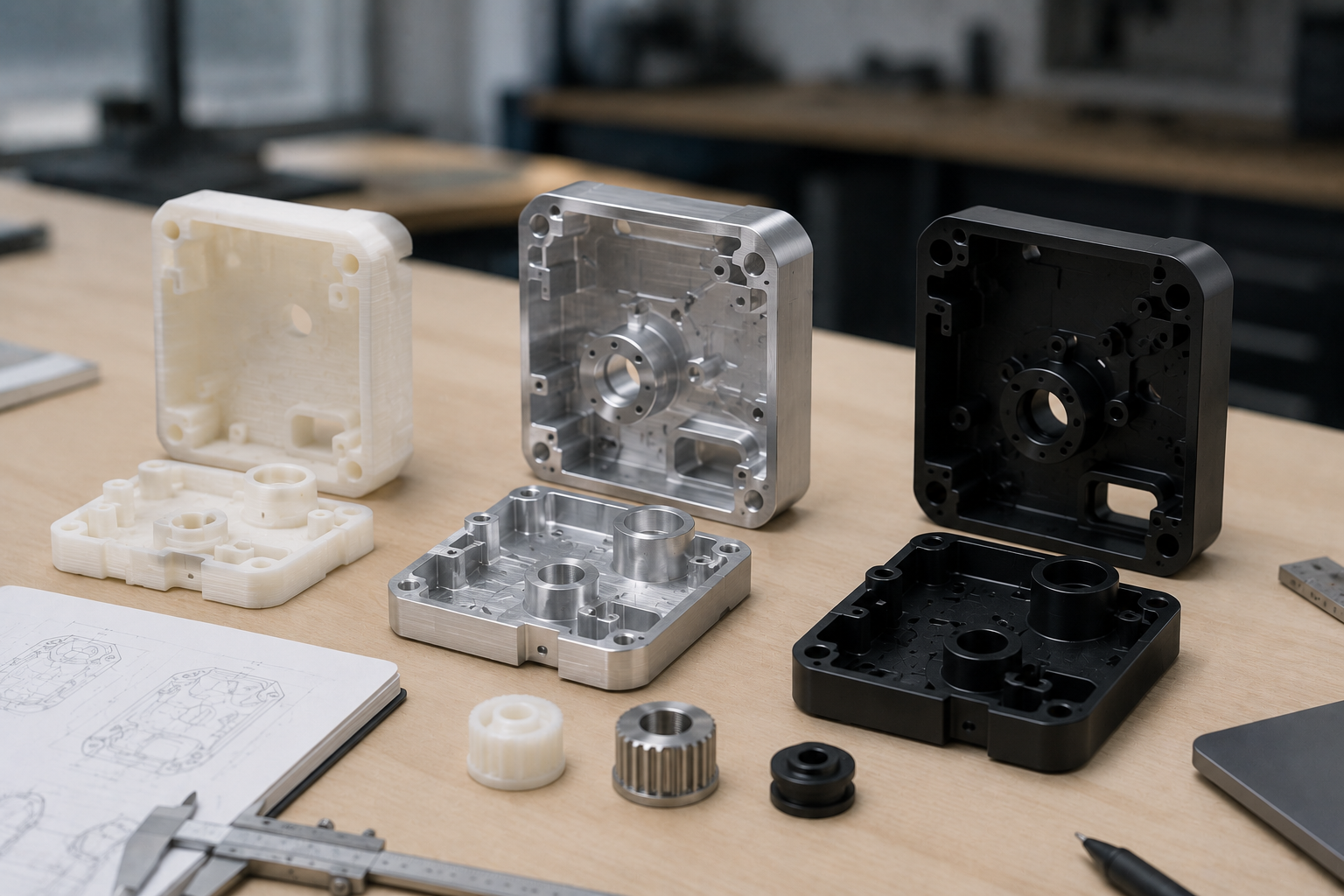
Process Integration
Supporting seamless transitions from prototyping to mass production via a full spectrum of processes, including additive manufacturing (3D printing) → CNC precision machining → mold-based production.
Engineering Validation Capability
Ensuring product reliability and mitigating mass production risks through multi-stage validation:
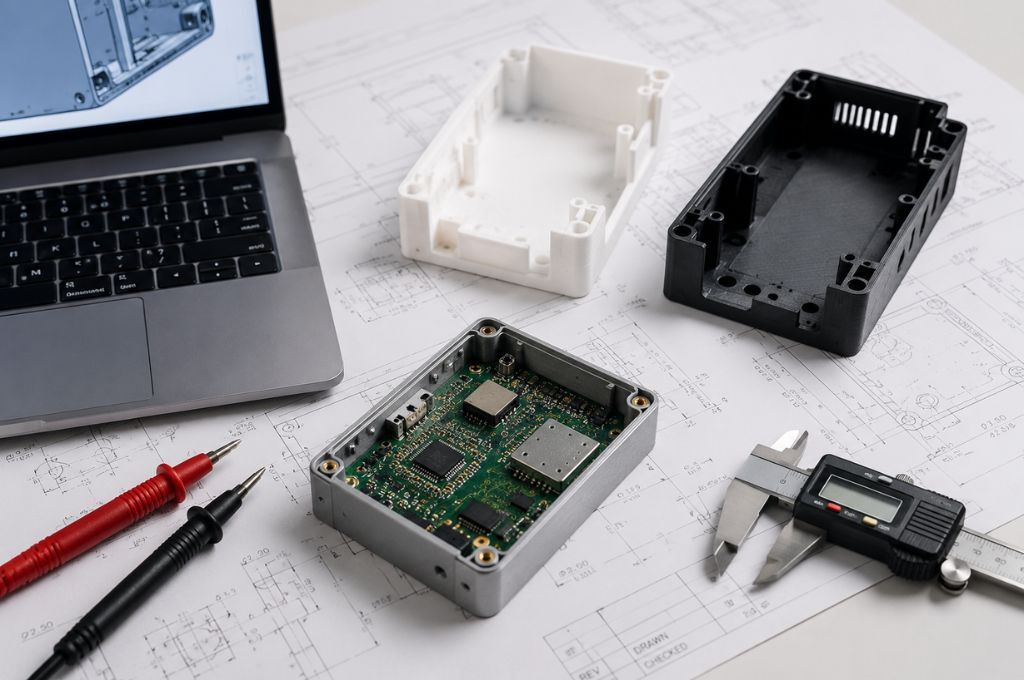
Prototype Validation
Rapid prototyping (e.g., silicone molds, 3D printing) to verify structural feasibility and accelerate iteration cycles.
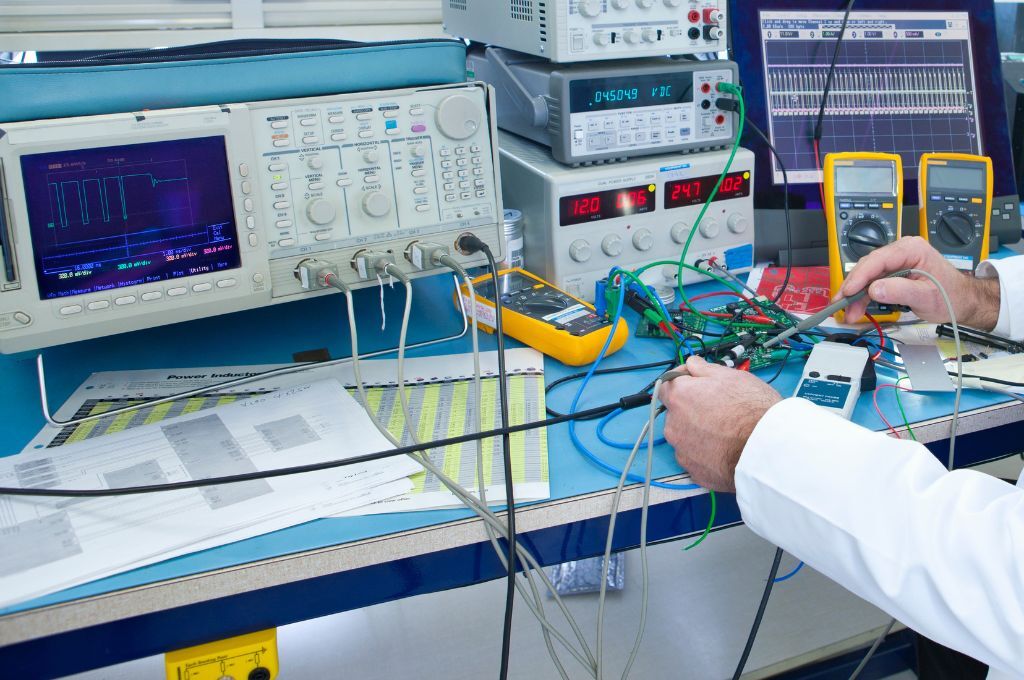
Functional Testing
Structural strength, fatigue life, and environmental adaptability (temperature/humidity, vibration, waterproofing, etc.).
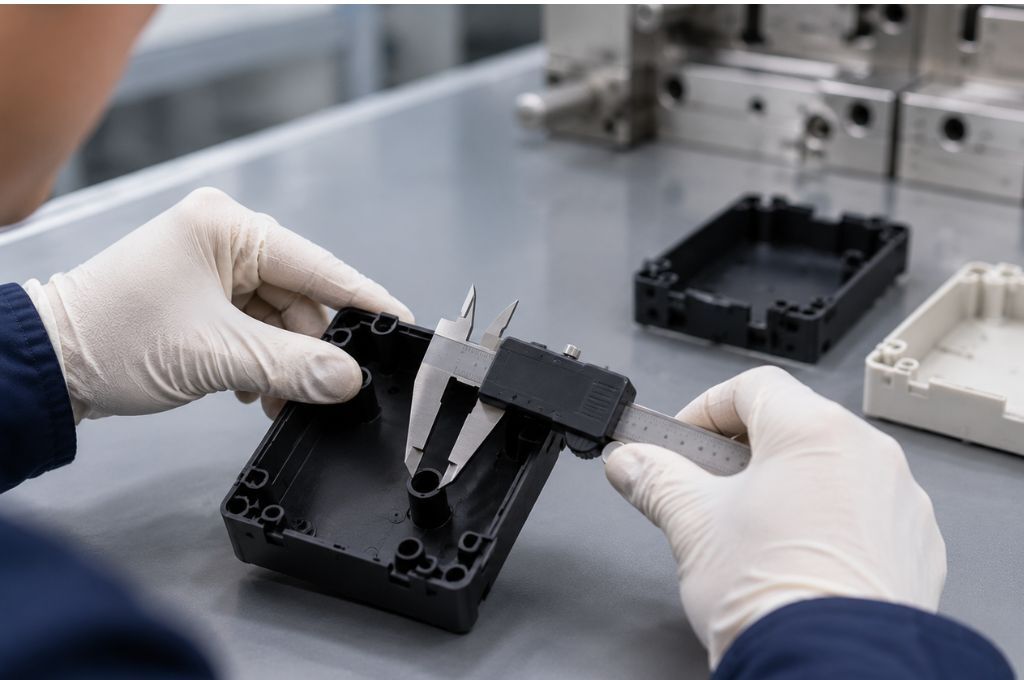
Process Validation
Mold DFM assessment, process parameter fine-tuning (e.g., injection molding adjustments), and dimensional stability inspection.
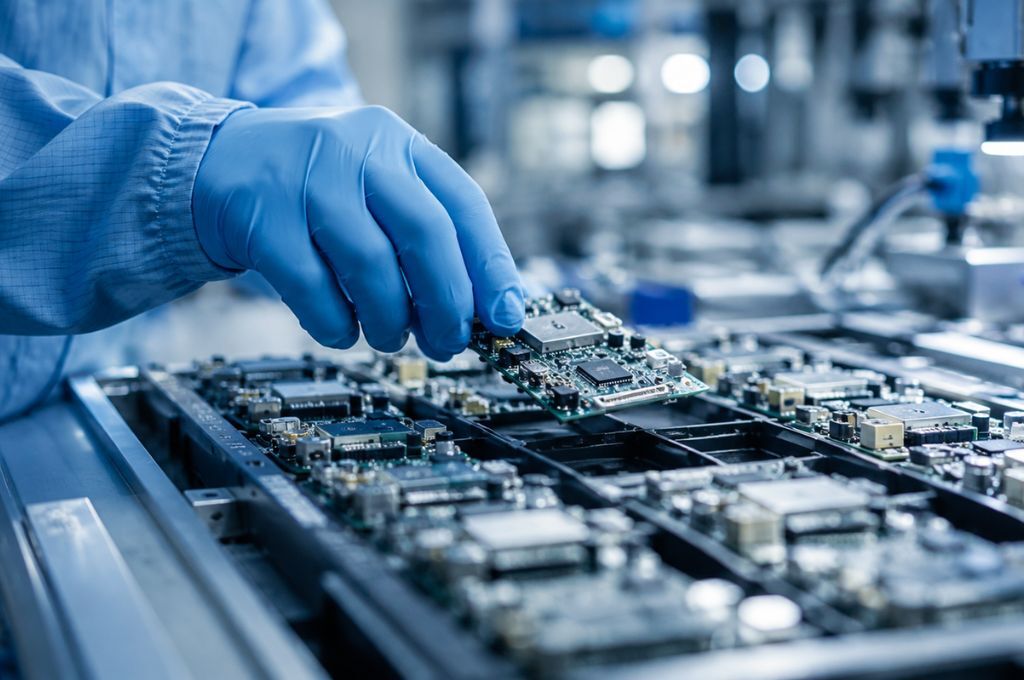
Pilot Production
Small-batch trial runs (e.g., T0/T1 mold testing) to validate mold and production line stability, ensuring yield targets are met.
Design Review & DFX

Driven by DFM principles, we provide in-depth design enhancements, such as:
- Optimizing draft angles and rib layouts for injection-molded parts to minimize warpage and shrinkage.
- Improving bend radii and strip layout for stamped parts to enhance material utilization.
- Reducing costs through structural simplification (e.g., fewer components) and standardization (e.g., universal interface design).
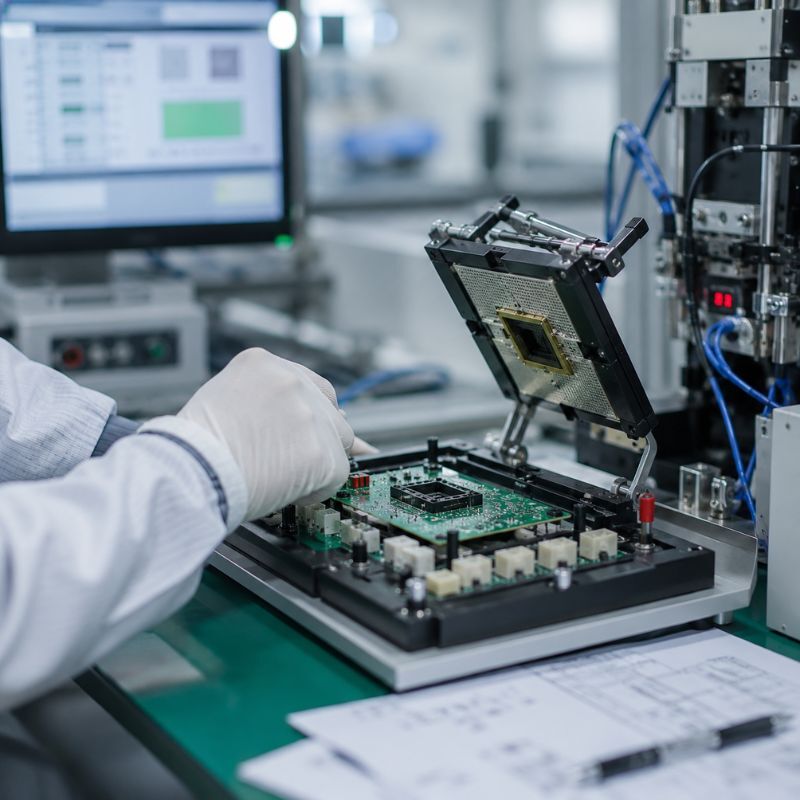
Quality standard validation & test platform development
- Assembly production line design and validation
- Test platform design and validation
- Scale up to volume production
- Final Assembly
- Test
- Packaging
DVT => PVT development validation
FATP
Frequently Asked Questions
What mechanical manufacturing capabilities does NexPCB support for product development?
How do I choose between 3D printing and traditional manufacturing for my product?
Can NexPCB support both prototyping and mass production for mechanical parts?
What types of 3D printing technologies are available?
Multiple additive manufacturing technologies are available, including FDM, SLA, SLM, MJF, and SLS. Each method offers different advantages in terms of material strength, surface finish, precision, and cost. For example, SLA is often used for high-detail prototypes, while SLS and MJF are better suited for functional parts with stronger mechanical properties. Selecting the right process depends on your product’s functional and aesthetic requirements.
Do you support complex molding processes like overmolding or multi-material parts?
What options are available for metal and structural components?
Metal and structural components can be manufactured using CNC machining, die casting, or sheet metal fabrication. CNC machining offers high precision and is suitable for functional prototypes and smaller batches, while die casting is more efficient for high-volume production of complex metal parts. Sheet metal fabrication is commonly used for enclosures and structural frames. The selection depends on strength requirements, tolerances, and production volume.
How does NexPCB handle precision machining for mechanical components?
Precision machining is typically achieved through CNC machining and laser cutting processes, which allow tight tolerances and repeatable accuracy across batches. These methods are used for both prototypes and production parts that require high dimensional stability or complex geometries. Careful process selection ensures that parts meet both functional and aesthetic requirements without unnecessary cost increases.
Can NexPCB support silicone or flexible material manufacturing?
Silicone molding and compression molding processes are available for products that require flexibility, sealing performance, or soft-touch materials. These are commonly used in applications where durability under repeated stress or environmental exposure is important. Selecting the right flexible material and process early helps ensure long-term reliability and consistent product performance.
What happens if my product requires multiple manufacturing processes?
Many products involve a combination of processes, such as CNC machining for internal structures and injection molding for external enclosures. A coordinated manufacturing approach ensures that all parts are compatible in terms of tolerances, materials, and assembly requirements. Planning this integration early reduces risk during production and avoids delays caused by mismatched processes or design assumptions.
How early should I start thinking about mechanical manufacturing in my product design?
Mechanical manufacturing should be considered from the earliest design stage. Process selection directly impacts material choice, part geometry, tooling requirements, and overall cost. Early alignment between design and manufacturing helps prevent costly redesigns and ensures a smoother transition from prototype to production. It also improves predictability in timelines and scalability as your product moves toward mass production.
Bring NexPCB Expertise to Your Business
Leverage our decades of manufacturing excellence and supply chain depth to scale your innovation. Let’s collaborate to build high-quality, reliable hardware at the speed of your ambition.