
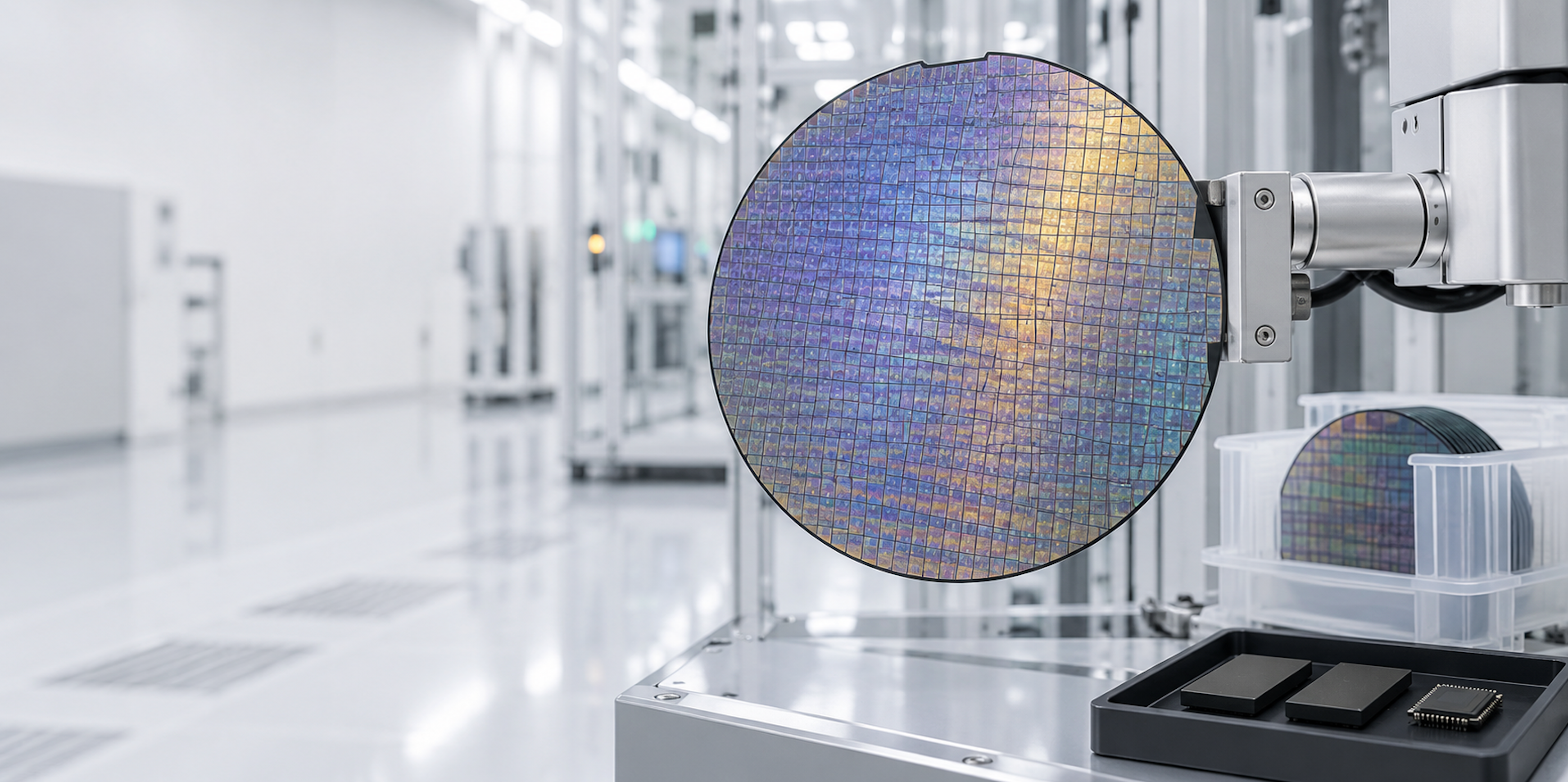
Memory supply risk is no longer only a purchasing issue. For many hardware companies, it is becoming a product design and manufacturing issue that can influence BOM stability, PCB architecture, firmware behavior, validation scope, pilot production timing, and long-term delivery.
In the past, memory selection often followed a straightforward logic: choose the required capacity, confirm the interface, check availability, and optimize cost. That approach worked when supply was predictable. But when memory pricing moves quickly, lead times stretch, or older-generation parts become harder to secure, the consequences reach far beyond sourcing.
For wearable startups, IoT hardware companies, connected health device teams, and consumer electronics brands, the real question is not only whether a memory part can be bought today. The more important question is whether the product can still move through validation and production if the market changes.
.png?width=1774&height=887&name=ChatGPT%20Image%202026%E5%B9%B47%E6%9C%887%E6%97%A5%2015_42_20%20(1).png)
Memory risk often appears after the design is already locked
A memory component may look like a small BOM item, but it connects to several engineering layers. It can affect PCB layout, package selection, power sequencing, boot behavior, firmware initialization, read/write stability, thermal performance, test coverage, and supplier qualification.
The challenge is that these risks often stay hidden during early prototyping. A prototype can be built with available samples. An engineering batch may rely on short-term distributor stock. But pilot production requires repeatability. The team needs stable supply, controlled date codes, clear documentation, consistent test results, and a sourcing plan that can support the next production stage.
If the selected memory component becomes constrained after PCB finalization, the team may need to review alternatives under pressure. That can trigger layout checks, firmware updates, validation testing, reliability review, and manufacturing documentation changes. What starts as a sourcing problem can quickly become a schedule problem.
Why memory selection affects DFM and NPI
Design for Manufacturing is not only about how a product is assembled. It is also about whether the product can be built repeatedly with available components, stable processes, and reliable test coverage.
During DFM and NPI planning, memory selection should be reviewed from both engineering and supply chain perspectives. A strong review considers whether the part is actively supported, whether the package allows practical alternatives, whether the firmware can handle supplier variation, and whether production testing can detect memory-related issues.
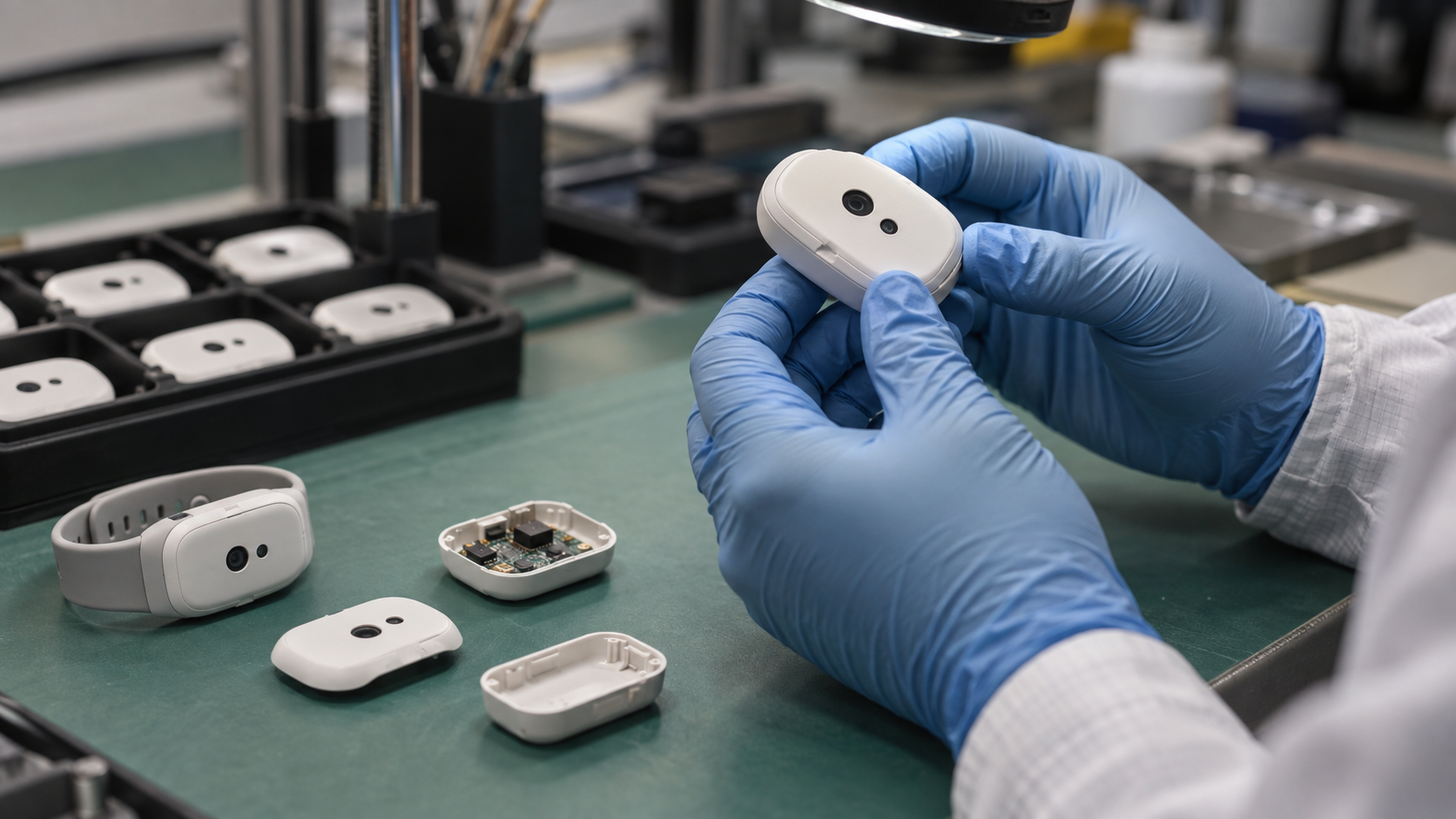
This matters especially for products moving from prototype to pilot production. At that stage, teams are no longer proving that the product can work once. They are proving that it can be manufactured, tested, inspected, and delivered consistently.
For medical and health devices, industrial IoT systems, and field-deployed connected products, this consistency is critical. A memory issue that appears minor during bench testing can become more serious when the product operates over repeated power cycles, long data logging periods, wireless communication events, or real-world thermal conditions.
.png?width=1774&height=887&name=ChatGPT%20Image%202026%E5%B9%B47%E6%9C%887%E6%97%A5%2015_42_20%20(3).png)
The hidden cost of late replacement
The visible cost of memory supply risk is usually component price. The hidden cost is engineering rework.
A replacement part may appear compatible on paper, but still require electrical review, firmware validation, thermal testing, production test updates, and supplier documentation checks. If this work begins after pilot production has already started, it can disrupt schedules and create uncertainty around yield, quality, and delivery.
This is why memory strategy should be reviewed before the product reaches a production-critical stage. The goal is not to over-design every product or qualify every possible supplier. The goal is to identify which memory decisions create real lock-in and which backup paths are worth validating early.
Building supply resilience through engineering decisions
Supply chain resilience begins before procurement. It starts with engineering decisions that keep the product adaptable without adding unnecessary complexity.
A practical approach includes early BOM risk review, lifecycle assessment, package compatibility checks, second-source planning, firmware validation planning, and production test alignment. These steps help teams understand whether they can switch memory options if availability, pricing, or lead time changes.
This kind of preparation also creates business value. A qualified alternative may not be used immediately, but it gives the team more leverage during sourcing discussions and more confidence during production planning.
For hardware startups and growing product teams, this can protect more than the BOM. It can protect investor milestones, field trials, certification schedules, launch windows, and long-term customer delivery.
If your team is preparing a wearable, IoT, medical, health, or consumer electronics product for pilot production, NexPCB can support BOM review, component sourcing, DFM, alternative qualification, pilot builds, and scalable manufacturing planning. Contact us to review your memory supply risk before it becomes a production delay.

.png)