Fast building technology supply chain for Industrial IoT, MedTech & Wearables, and Robotics & AI Hardware.
Additive Manufacturing
3D Printing
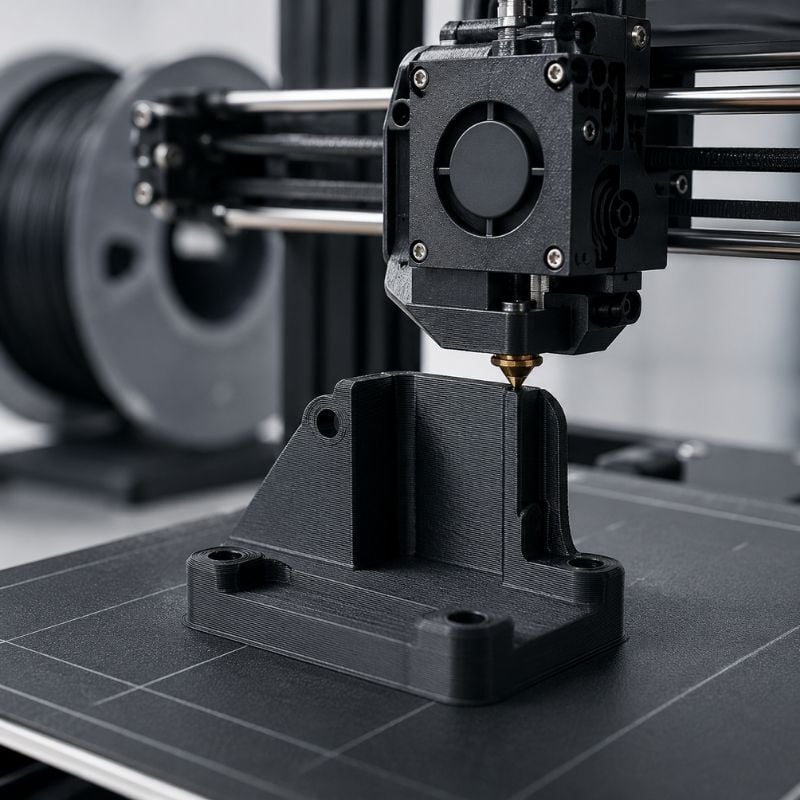
FDM (Fused Deposition Modeling)
PLA, ABS, TPU, ASA, PETG, PET
Typically ±0.1–0.3 mm; up to ±0.05 mm with high-precision equipment
Features & Advantages:
Low cost, wide material selection, suitable for prototype validation and functional testing. Fast printing speed, ideal for custom development of small to medium-sized parts.
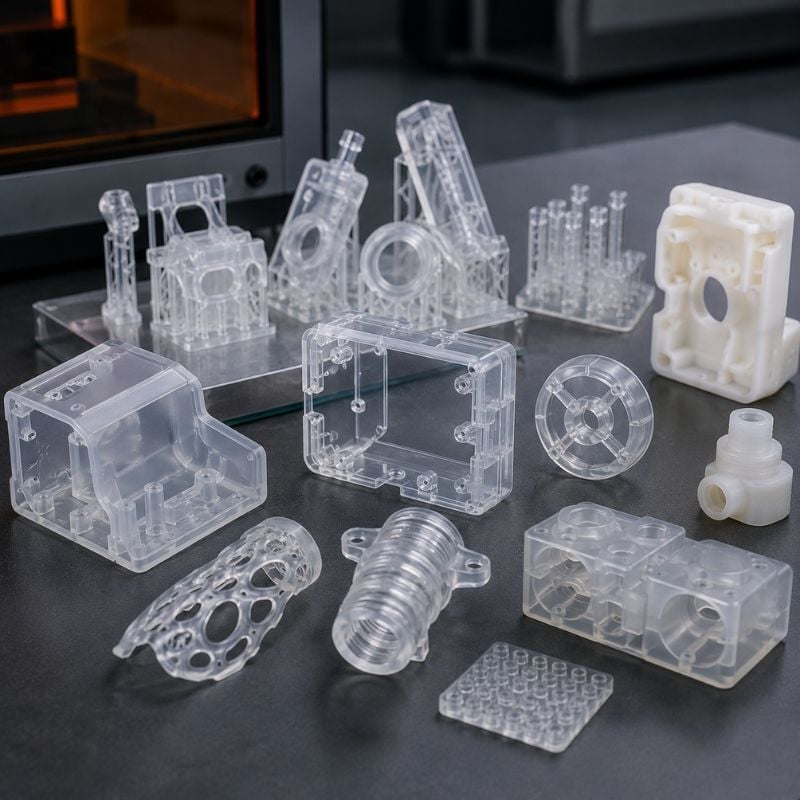
No need for support structures, suitable for complex geometries and parts requiring high strength. Excellent mechanical properties, suitable for small-batch production.
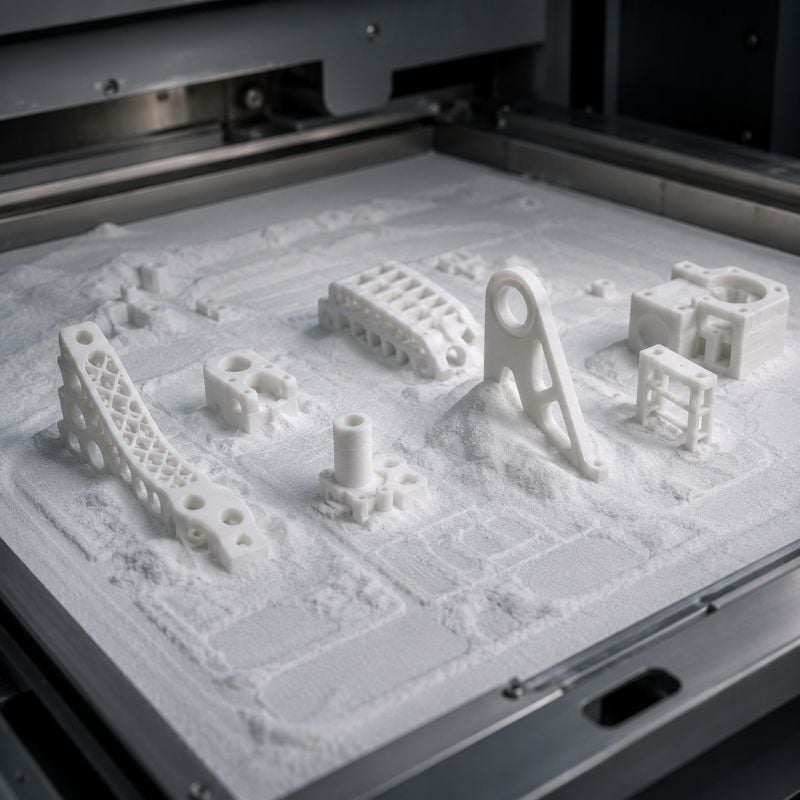
Fast forming speed, good part uniformity, ideal for industrial-grade prototypes and functional parts. High material recyclability and excellent cost-performance ratio.
SLM (Selective Laser Melting)
Metal powders such as aluminum alloy and stainless steel
±0.1–0.2 mm (for high precision, CNC post-processing may be required)
Features & Advantages:
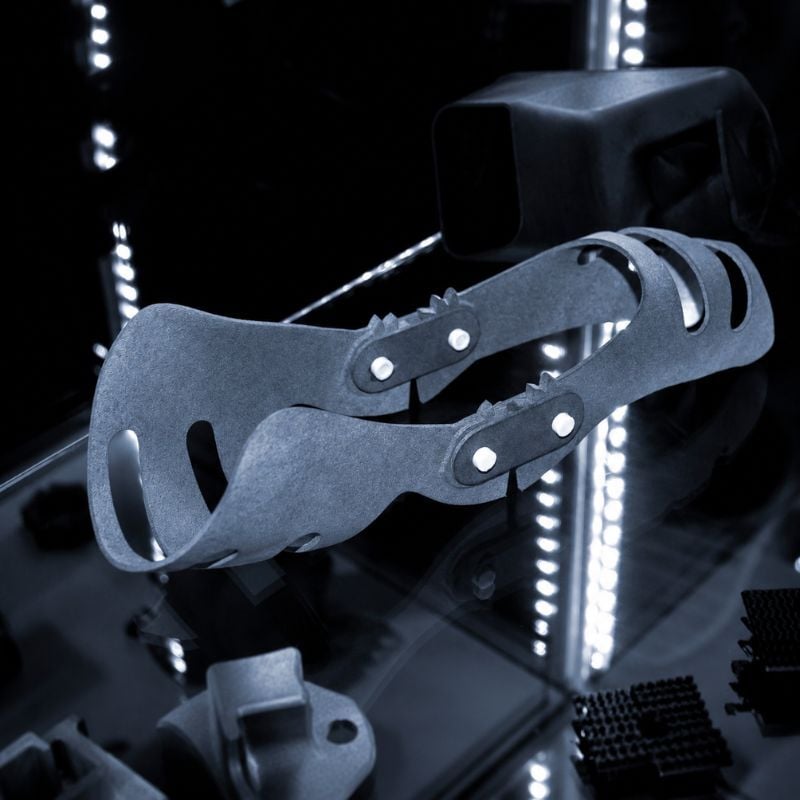
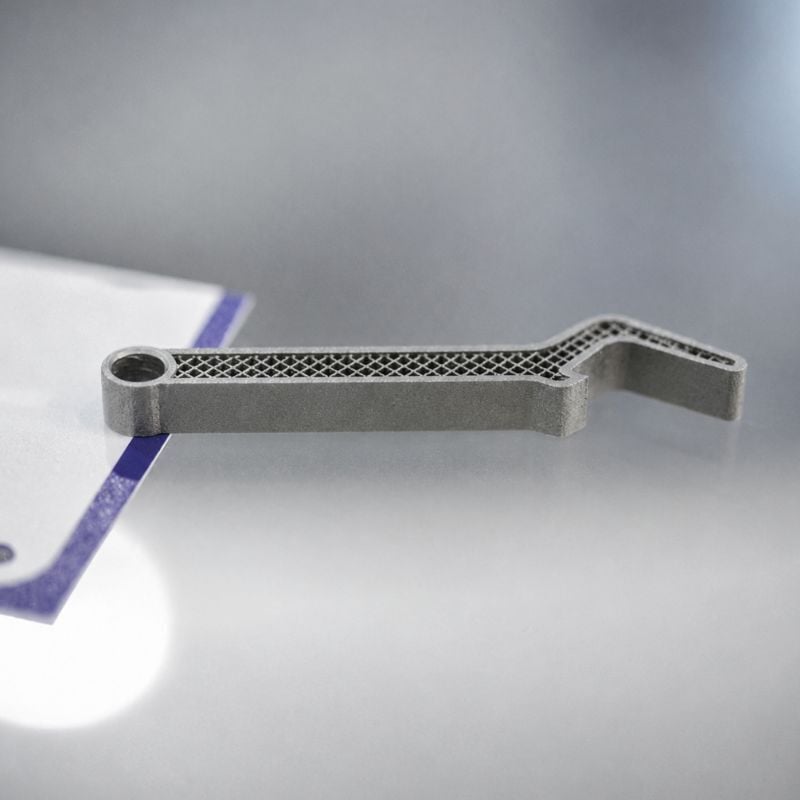
Capable of directly printing functional metal parts. Suitable for high-performance industrial components in fields such as aerospace, medical, and automotive industries.
Equal Material Manufacturing
3D Printing
Injection Molding
ABS, PC, PP, PA, PE, TPE, TPU, POM, and other thermoplastics
±0.05–0.1 mm (depending on material and part structure)
Features & Advantages:
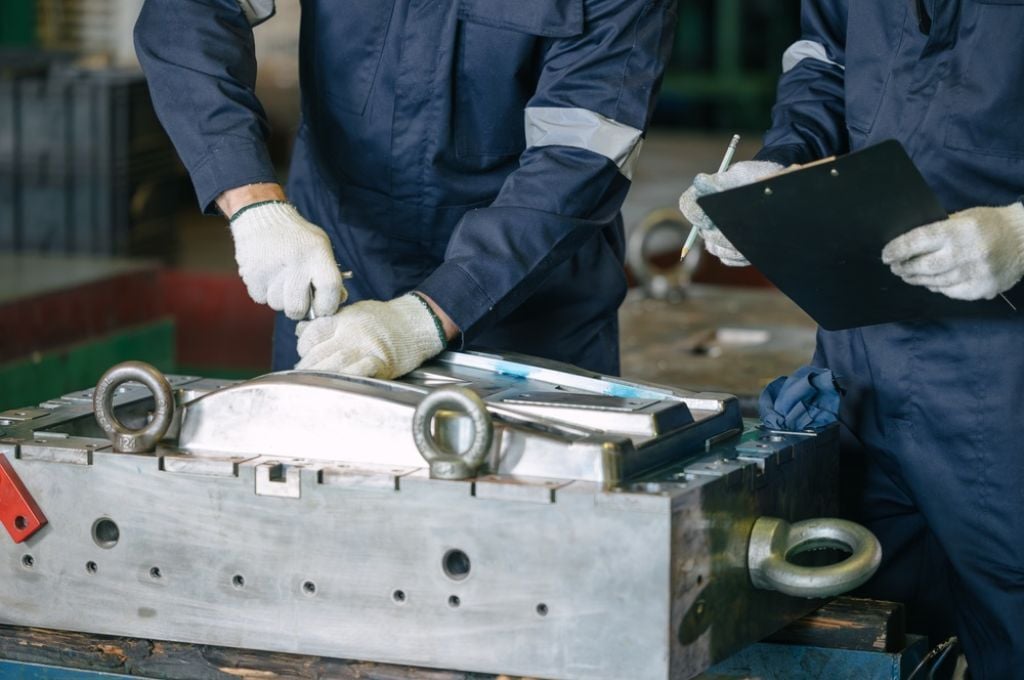
Suitable for high-volume production with excellent repeatability and low unit cost. Ideal for complex structures and high-strength components.
Overmolding in Injection Molding
Combinations of hard plastics like ABS, PC with soft materials like TPU, TPE
±0.1 mm
Features & Advantages:
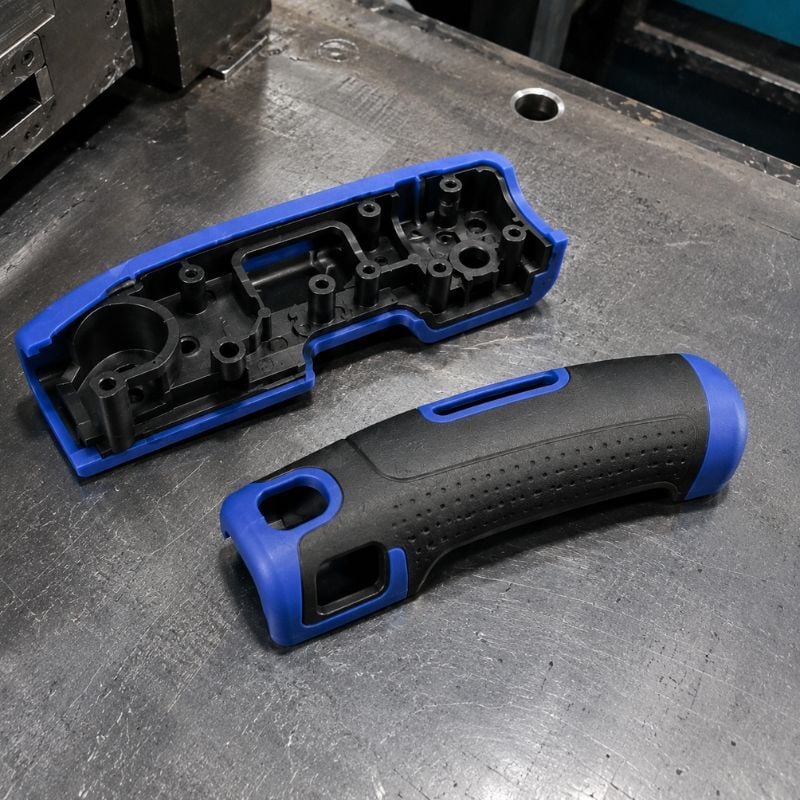
Enhances product grip and anti-slip performance. Commonly used in electronics and tool casings.
Double Shot Injection Molding
Typical combinations include ABS+TPU, PC+TPU
±0.05–0.1 mm
Features & Advantages:
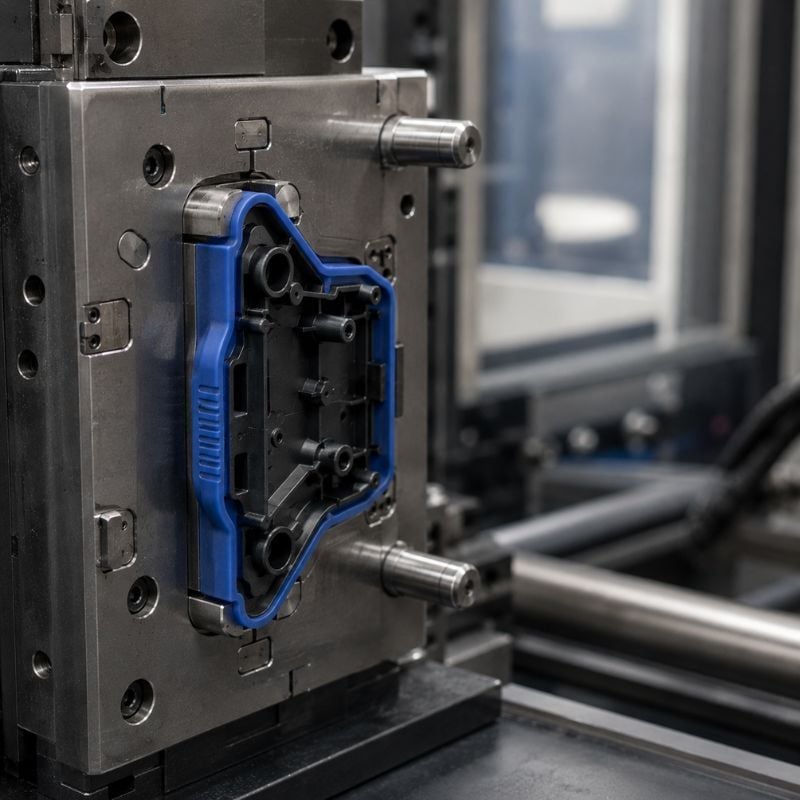
Enables molding of two materials in one process, improving aesthetics and functionality. Ideal for multi-color and functionally integrated products.
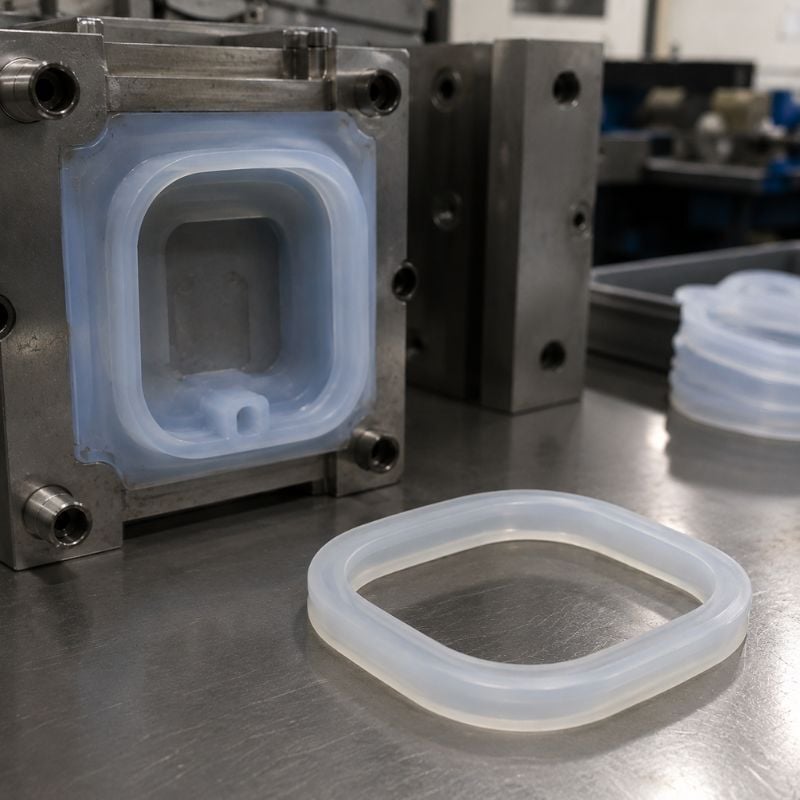
Silicone Molding
Silicone rubber, ABS, PC, PP, PA, etc
±0.1 mm
Features & Advantages:
Ideal for small-batch rapid replication. Flexible molds, low cost, and short lead times. Suitable for prototypes in medical and consumer products.
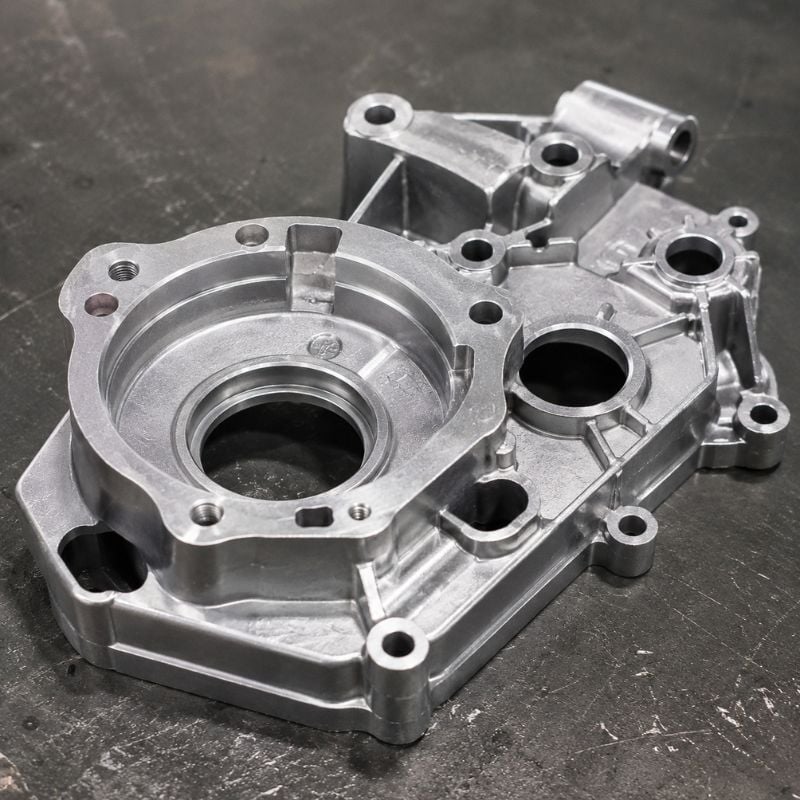
Die Casting
Aluminum alloy, zinc alloy, magnesium alloy
±0.05–0.2 mm
Features & Advantages:
High-precision metal forming, suitable for mass production of complex metal parts. Surfaces can be directly electroplated or painted.
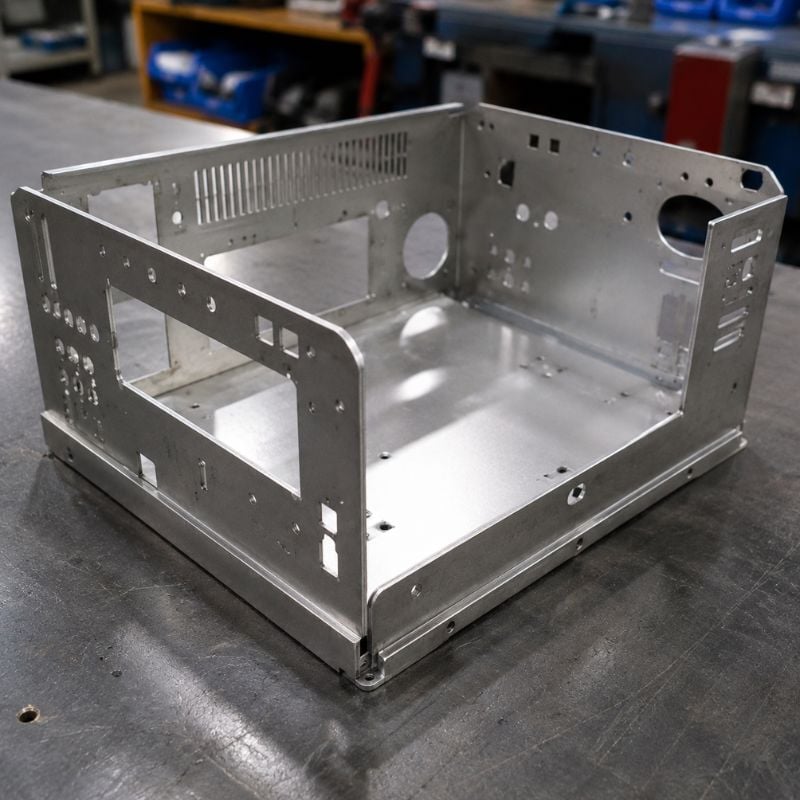
Sheet Metal Fabrication
Stainless steel, aluminum alloy, cold-rolled steel, copper, etc.
±0.1–0.2 mm
Features & Advantages:
Flexible in cutting, bending, welding, and surface treatment. Ideal for enclosures and low-volume structural parts.
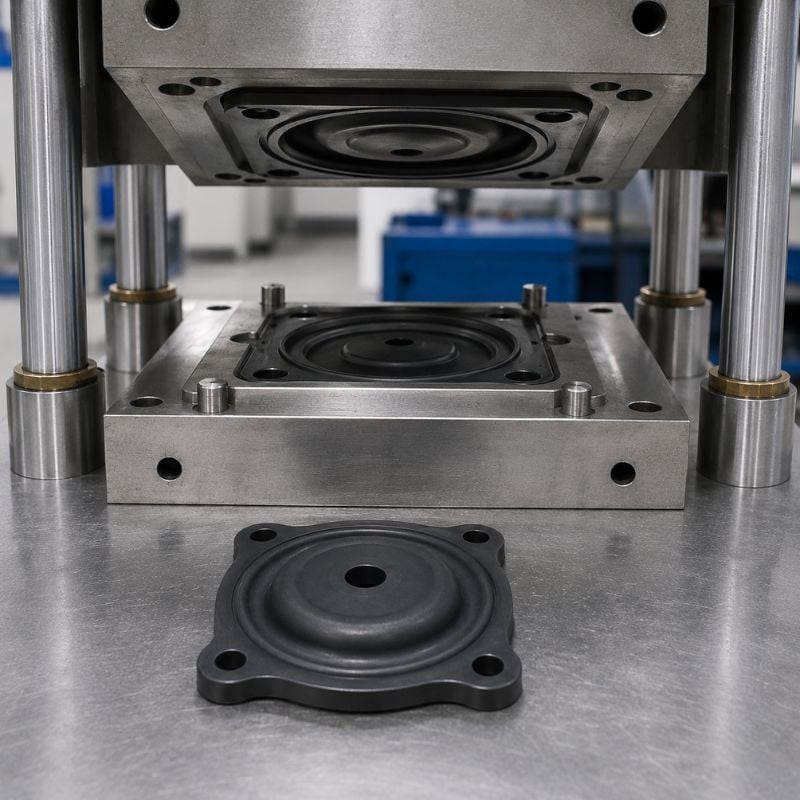
Compression Molding
Thermoset plastics, rubber, composite materials
±0.1–0.3 mm
Features & Advantages:
Suitable for large, thick-walled, and high-strength parts such as automotive components and industrial gaskets.
Extremely high precision, ideal for high-end structural components and small-batch functional part production. Suitable for integrated processing from prototyping to volume production.
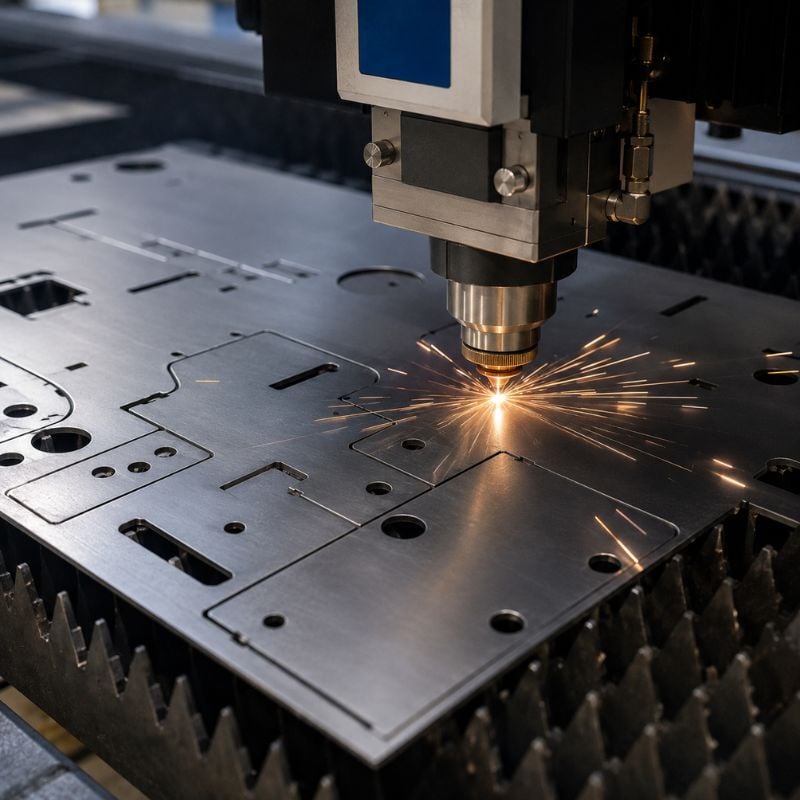
Laser Cutting
Sheet materials including metal, plastic, acrylic, wood, etc.
±0.05–0.2 mm
Features & Advantages:
Fast cutting speed and clean edges. Suitable for processing small to medium-sized sheet structures across a wide range of materials.

.png)