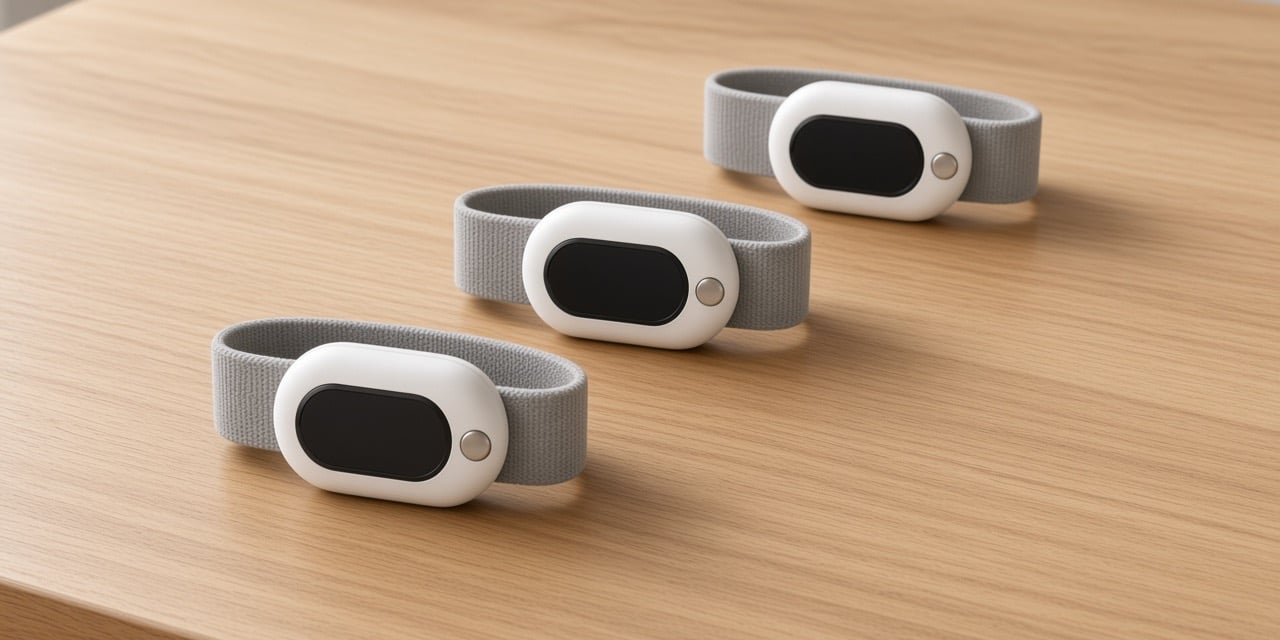
A line stops when a part on the wearable BOM cannot be bought in time and the approval named for that project has not been given. NexPCB finds the alternate parts and supplies the comparison used to decide: the electrical difference, the stock and lead time, and what a board change would cost. On wearable programs an at-risk part gets an alternate recommended before the build (wearable solutions). The recommendation waits for the approval that project's change process names. Later material and supplier changes stay inside product lifecycle management.
What an alternate is
An alternate is a different part, used when this one cannot be bought or cannot be used. A second source is the same part from another supplier. The approval is not the same act. A second source still has to match the part you already approved. An alternate has to survive the electrical comparison before it can sit on the build.
The next failure, when the original can no longer be bought, is the line stopping on that one reference designator.
What an end-of-life alternate breaks on the project
An end of life does not mean the part is already gone on the day the notice arrives. On that line, last buy, last delivery, and the stock window are three different dates. The build schedule breaks when the reference designator can no longer be bought inside the window that project is using. The paths from there are an alternate already approved for that change, a last-time buy of the original, or a board change. A same-spec alternate and an alternate whose electrical behavior, firmware, or protection differs are approved on different grounds. The line takes a new part after the approval for that path is written. A change from one build to the next is written down before that next build starts.
Those three paths are the comparison set in front of the approval that project names: electrical behavior, stock and lead time, and the cost of a board change. The approved part is frozen before volume.
Who approves a substitute
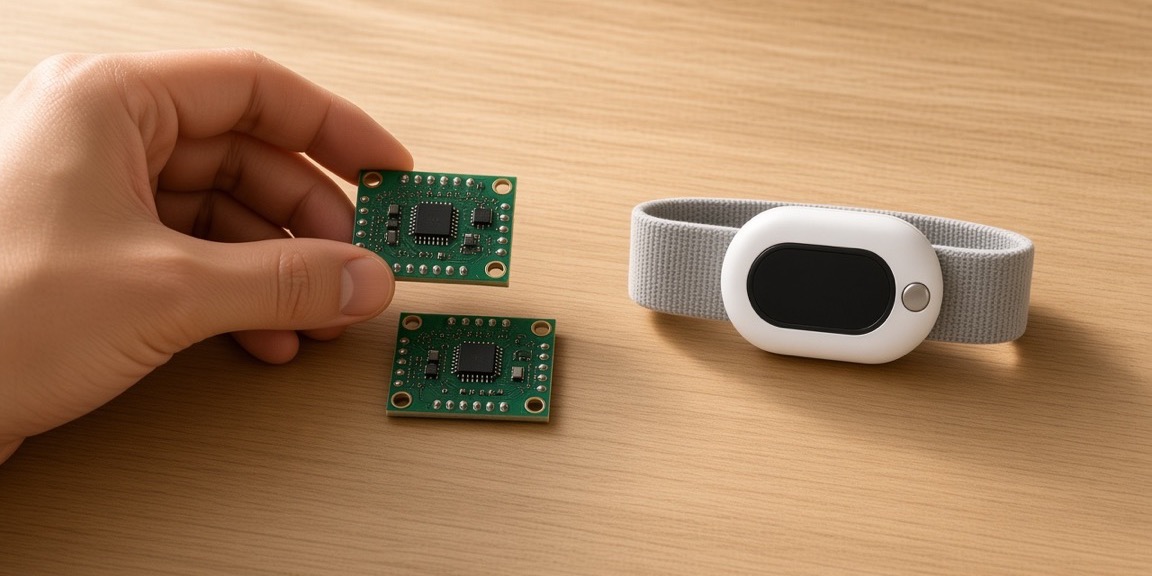
The two boards in the photograph are a concept lineup. They are not a photograph of the original part and the alternate.
| Check | Placed on the table | The call |
|---|---|---|
| Electrical behavior | How the part differs, including power-up default, register defaults, and the I2C address | Reject the candidate when a protection depends on the original state |
| Stock and lead time | Pieces on hand, and the date each option can arrive | Keep the original when the electrical gap matters more than the wait |
| Board change | Time and risk of a spin | Use the spin after the first two checks are already on the table |
A part stays off the build while it is only in stock.
What we put on the table is the decision data for that part: how the electrical behavior differs, what stock and lead time each option has, and what a board change would cost in time and risk. Finding the part is our work. The approval belongs to the authority that project's change process names. A same-spec end-of-life ceramic capacitor was handled by setting the two internal part numbers as alternates and telling the client for this project. An inertial sensor whose registers differed stayed off that batch and waited for the volume build, because the approval for that batch did not cover the register difference.
The buck-boost case is the one where the electrical difference overrode the stock.
What the buck-boost decision turned on
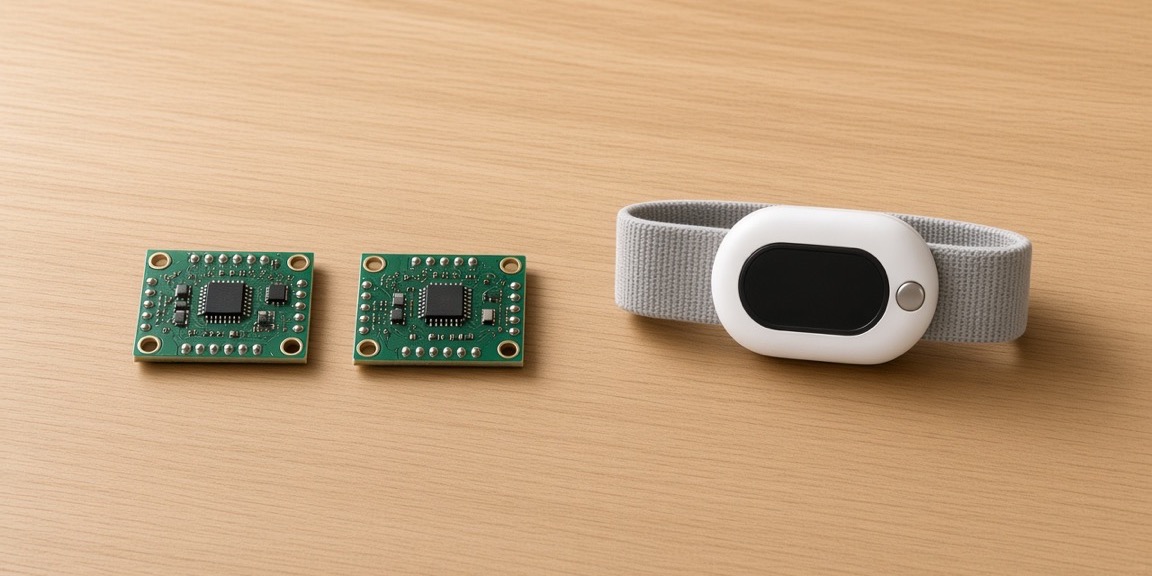
The two boards in this photograph are the same kind of concept lineup. They are not the buck-boost board and its alternate.
A tracker board, a positioning-hardware board rather than a wrist-worn product, used a buck-boost regulator. Stock covered only part of the demand, and the supplier had no date we could plan on. We proposed a pin-compatible alternate and a datasheet comparison.
Three checks decided it.
The electrical difference came first. The original part defaults off at power-up. The alternate defaults on. The client for this project rejected the alternate because the inertial sensor's thermal protection depended on that default-off state. The comparison also covered register defaults and the I2C address, so a silent change in either would have been visible in the same pass.
Stock and lead time came second. The alternate had tens of thousands of pieces on hand and was days away. A board spin was about a month. The client for this project kept the original, because the electrical difference mattered more than the wait.
Weeks later the release was limited to the current small batch. Boards that used the alternate were distinguished by reflashing the firmware, so the two builds stayed distinct in the field. The reflash marked which boards they were. It did not close the hardware protection difference.
Frequently asked questions
Who is allowed to put a substitute on the wearable bill of materials?
The approval named in that project's change process. NexPCB supplies the difference, the stock, the lead time, and the board-change impact. The line takes the substitute after that approval.
What if the only difference is the manufacturer's part number?
A same-spec end-of-life capacitor can be set as an alternate pair once the client for this project is told. A part with a different register map, or a different power-up default, stays off the batch until the approval for that batch covers it. The inertial-sensor case waited for volume for that reason. It is not a rule that every register difference waits for volume.
What to bring to the first conversation
Bring the bill of materials line that is short, the date the build needs it, and any function that depends on a power-up default or a register value. If you already have an approved alternate, name it. Datasheets come across after a non-disclosure agreement. Start at our project inquiry form.