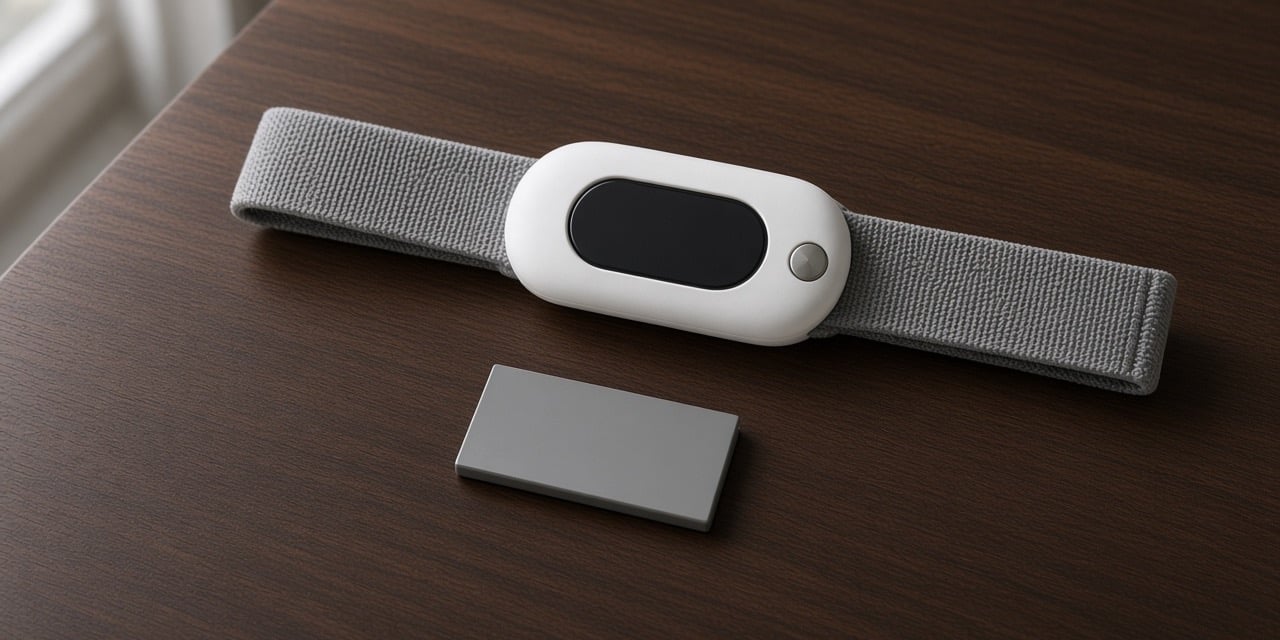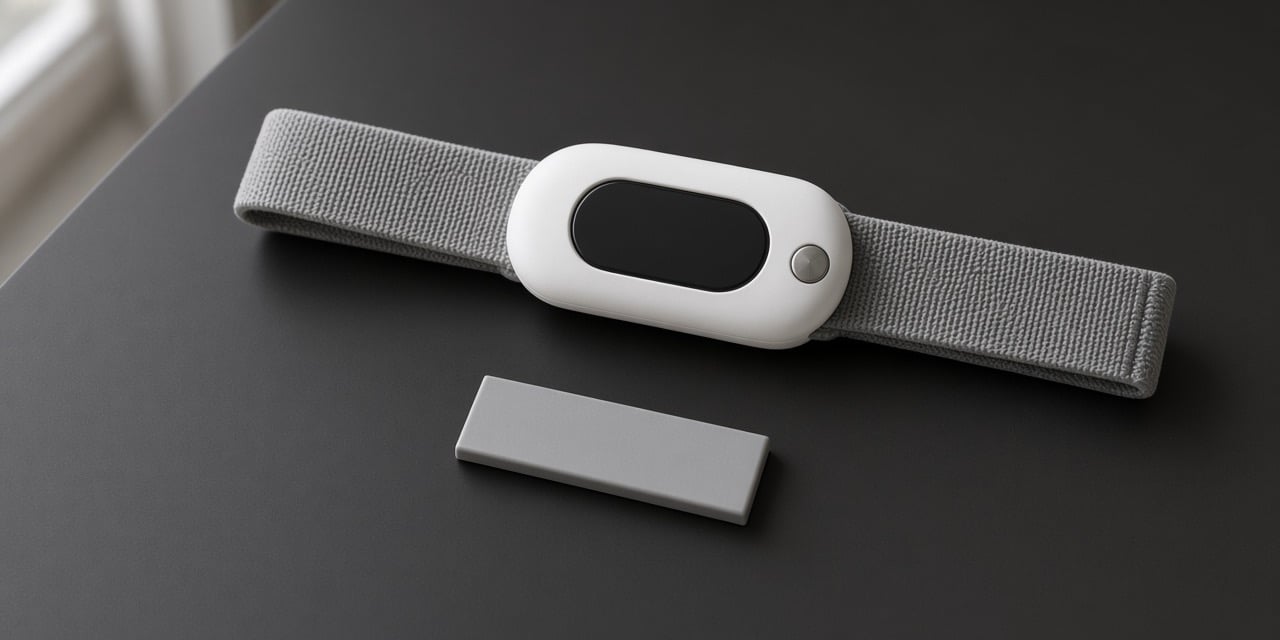
A short runtime is an architecture question before it is a firmware edit. Wearable low power design at NexPCB reads the power architecture, the time the device stays awake, and the radio before anyone edits firmware to recover the hours.
Where wearable low-power design spends the charge
The budget is read on four lines: work, sleep, sampling, and the radio. The lines can overlap. They are not four currents to add. Each line names which block is in that state. A cell capacity printed on the label is not that split. The cell is chosen after the split for the mode that will actually run is written.
What the chip choice already fixes
The controller's sleep current is not fixed when the chip is chosen. The radio method is chosen with the chip, and the current still depends on the mode that is running. A firmware change can turn blocks off. It does not by itself set the sleep current of the silicon.
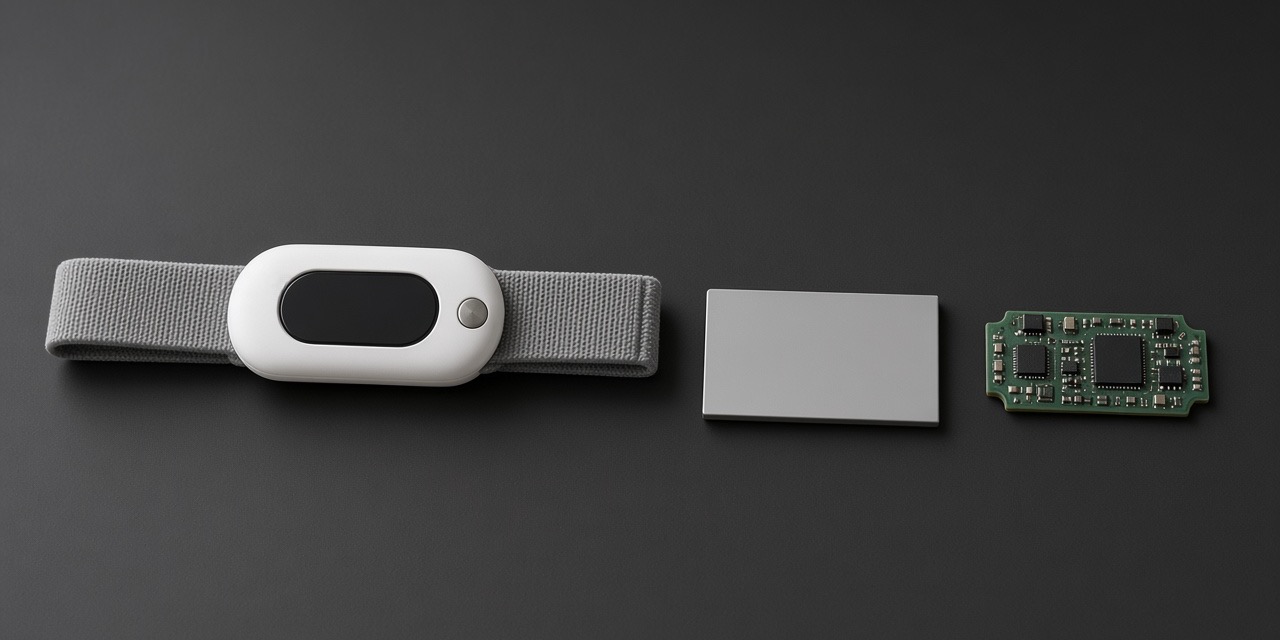
What the power architecture settles before routing
Which parts stay powered, and which parts may be switched off, is written before the board is routed. Moving a switch after the routes are down means the board is routed again. The rails, the enables, and the parts that are allowed to sleep are the architecture. They belong in the file the layout starts from.
What sleep has to reach
Sleep names the level and the event that wakes the device. A program that has stopped, while the radio is still awake, is still drawing the radio's current. Sleep does not require the radio to sleep in every mode. The mode that keeps the radio awake names that current on the radio line.
Where the radio spends the charge
The radio spends the charge on connecting, on sending, and on staying awake between those two. On a wearable that reports often, that awake time is where the budget goes. Sampling spends charge when the sensor and its front end are on. The two lines stay separate in the file, so a saving on one is not recorded as a saving on the other.
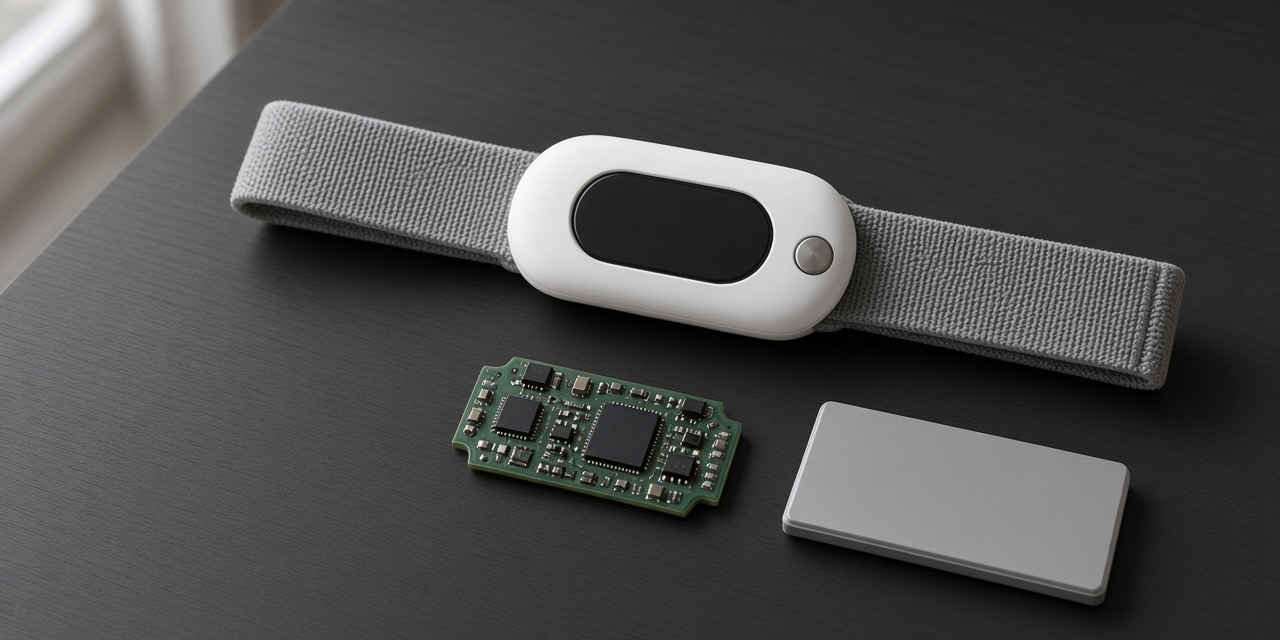
What has to be measured before the hardware is frozen
| Line | What this build should measure | What decides it |
|---|---|---|
| Work | Current while the device is in use | The blocks that stay on |
| Sleep | Current at the sleep level named for that mode. The radio may still be awake | The wake event and the sleep level |
| Sampling | Current while the sensor and the front end are on | How often that window opens |
| Radio | Current while connecting, sending, and waiting | The method and the mode, not the chip name alone |
Without a measurement record, those four lines are the boundaries to measure before the hardware is frozen. They are not measurements already taken on this build. A later comparison needs a measurement from this build on the line being compared. On a wearable program we design for continuous monitoring and for a low standby current. That design aim is not a runtime this build has already measured.
Frequently asked questions
Should a short runtime be fixed in firmware first?
No. The architecture, the awake time, and the radio are read first. Firmware is the place to turn a block off that the architecture already allows to sleep.
Can the cell be chosen from the capacity on the label?
The cell is chosen against the split this build is measuring. The label capacity does not say how the charge is spent. The four lines can overlap, so they are not added into one number.
What to bring before the cell is chosen
Bring the plan for the four measurements: work, sleep, sampling, and the radio. Name which block is in each state, and name the event that wakes the device. A measured current comes with the record. The plan is not that record. Start at our project inquiry form.