At NexPCB, when you bring us a prototype that works on the bench, the next question is which engineering functions can hold up in the intended configuration. An Engineering Validation Test (EVT) build demonstrates whether selected functions and interfaces work under defined conditions, while there is still room to change the design. For a wearable device, the most informative check may be what happens when you put the electronics, housing, and firmware together rather than what each part can do on its own.
EVT proves whether the engineering approach is feasible
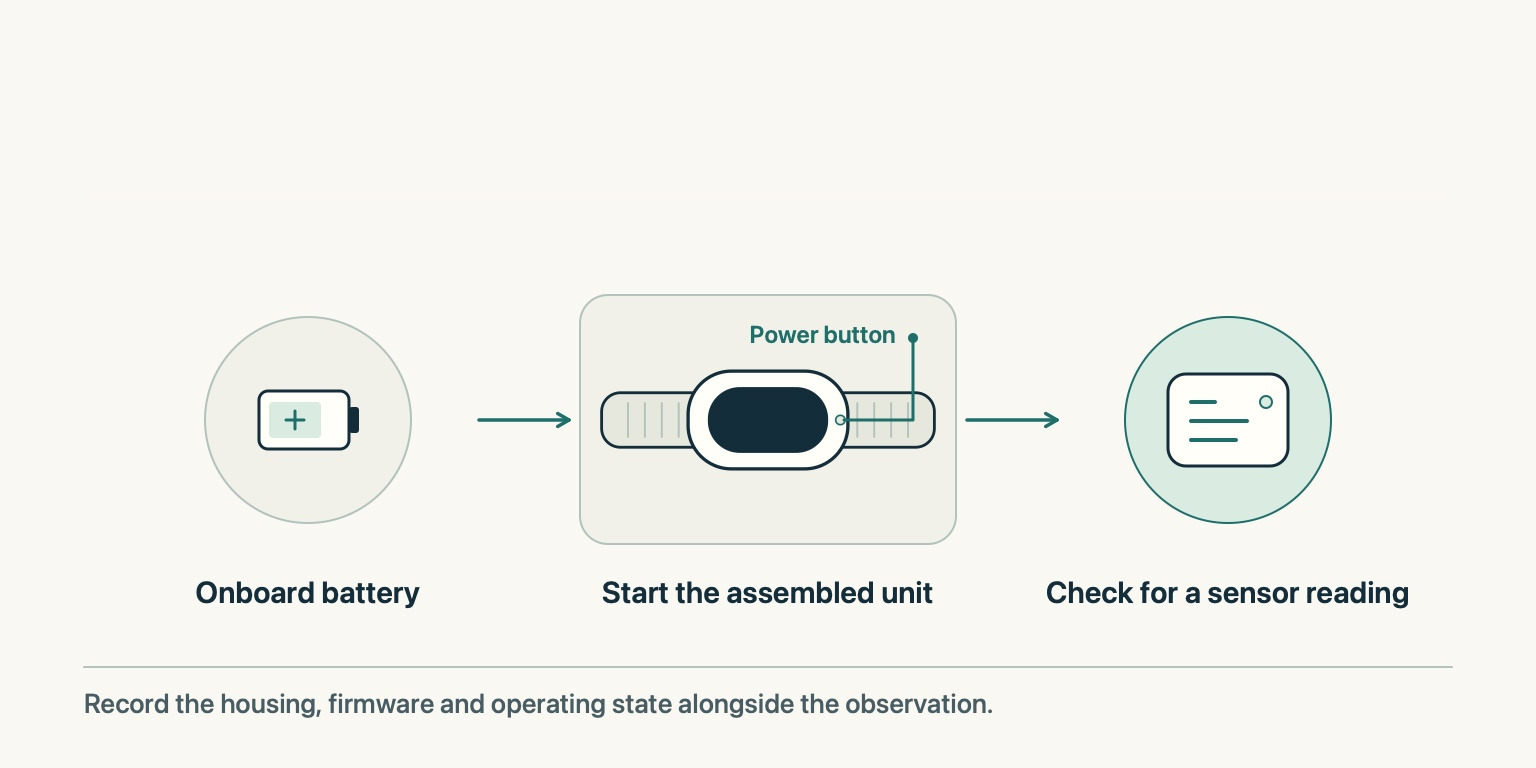
Start by identifying a result that would change an engineering decision. If the main question is whether the device powers up and performs its selected functions after assembly, define which functions you need to observe and how the device will be assembled, powered, and operated. If the question is whether the radio still works in its intended location, specify the location, housing state, firmware, and use condition that the result should represent. The engineering build is useful when the observation tells you what to keep, change, or investigate.
A feature can work independently and still fail at an interface. For instance, if a sensor produces a signal on a bench setup, an integrated check might show whether the intended firmware can read it in the assembled product. Neither observation makes the other useless. The first helps isolate the circuit or component; the second tells you whether the selected implementation works as a system. Record the difference before the two outcomes start circulating under the same description.
Tie a result to the unit and state you tested. Identify the configuration, the operating conditions, the observation, and the criterion applied. If the test made use of diagnostic firmware or external instrumentation that changes the conditions, make that visible in the record. The result supports the next engineering action under the conditions recorded for that unit.
| Outcome | What the record should make clear | What you can decide |
|---|---|---|
| The function met the criterion | The configuration and conditions under which it met the criterion. | Whether to retain that engineering approach for the next build. |
| The function missed the criterion | The observed behavior, relevant conditions, and where the result diverged from the target. | Which question to investigate before changing the design. |
| The result remains open | What prevented a meaningful comparison, such as an uncertain setup or an unfinished interface. | What to clarify or measure before reaching a conclusion. |
You bring the functions the round needs to establish and the product configuration you want to try. During Engineering Acceleration, we use prototype iteration and engineering and design validation to prepare for pilot work. An EVT result is a record of what the build established and what the next prototype needs to answer. If the result meets the agreed criterion under the conditions relevant to the decision, you can focus the next build on the uncertainties it did not address.
Decide what the result will let you change
Before running the build, agree on the decisions that different observations could support. If the main function works in its intended operating state but fails when another subsystem is active, the two observations may point to an interaction rather than a reason to abandon the entire design. Preserve the state of both subsystems when you record each result. If you cannot tell whether the alternate state was reached, treat that as an open observation about the setup before you use it to choose a revision.
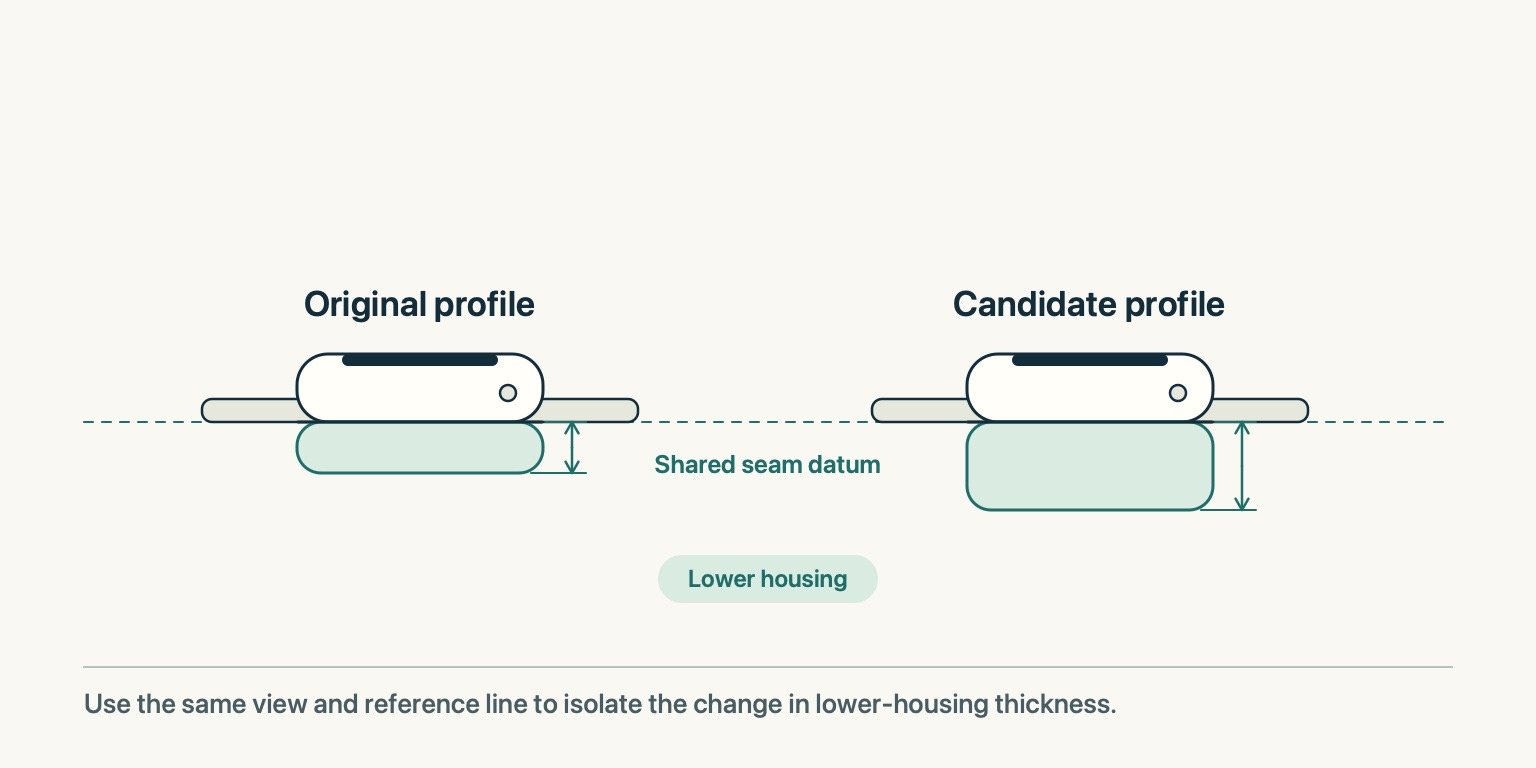
For an engineering decision, look for a comparison that can separate competing explanations. A prototype that behaves as expected with one enclosure revision but not another gives you an interface question to investigate. If the two builds also differ in firmware or components, their results may not tell you which difference matters. Set up the next iteration to make a more useful comparison, and note what needs to stay comparable across the units. The outcome can be a decision to keep one configuration, test a specific change, or narrow the next question.
Make sure the person reading the result can distinguish a design decision from a practical decision about the build. A control arrangement used to exercise the circuit might be suitable for early engineering evidence even when it would not represent the finished product. State which engineering conclusion it supports, then ask which conditions need to change when the team takes on a conformance question. That gives a successful engineering result an appropriate place in the program without asking it to settle more than it measured.
If you need people from different teams to use the outcome, put the expected output into the build objective itself. For a fit decision, that might mean a record of which mating configuration was checked and where an interference occurred. For a circuit decision, it might mean a measurement from a defined operating state and the revision that produced it. An engineering observation serves downstream work when someone can reconstruct what was learned without needing the original prototype designer at the bench.
The design can change during EVT
EVT sits in s1 prototype iterations on our Hardware Innovation Curve. When a result calls for an iteration, write down what changed and which check should show that the change helped. Changes could involve the circuit, mechanical fit, material, or how the firmware exercises an interface. Describe the observation that motivated the change and the conclusion you intend to draw from the new configuration. That makes it possible to distinguish a successful correction from a different result produced by a different setup.
If a change affects multiple functions, decide where the effect can reach. Moving a connector, for example, could resolve an assembly clearance problem while changing how it mates with its counterpart. A useful review would look at both the feature that prompted the change and the neighboring interfaces it could affect. A check unrelated to the changed features can still provide useful context when its original conditions remain valid.
Give the proposed change a disposition before it becomes part of the next build. Identify who is responsible for agreeing it within your project, what evidence that decision uses, and whether related checks need to be repeated. If the team tries two alternative configurations, keep their observations separate. That preserves the ability to choose between them rather than assigning an outcome to a revision that included both changes at different times.
Close the loop by comparing the new observation with the original engineering question. If the revised part fits but the intended function cannot yet be observed in the assembled unit, record the fit result and leave the functional decision open. If the correction changes an assumption elsewhere, include the affected check in the next iteration. A change log is most useful when the team can follow it from the finding to the revised unit to the decision made from the new result.
What does an EVT build prove that a prototype does not?
An initial wearable prototype can show you which assumptions deserve further work. It may help you judge the product form, try an interface, or discover which parts of the system are worth evaluating together. A targeted EVT iteration takes one of those engineering uncertainties and gives it a definition, a configuration, and a result that can guide the next revision.
Consider an early prototype that establishes room for the board and battery. The follow-up engineering question might be whether the device operates as intended once the housing and the actual electrical connections are present. You can keep the first prototype’s fit observations, while designing a separate check for the interaction that was not evaluated. Identify the gap in the observation instead of deciding the next objective from the age or appearance of the unit.
Look at the output in the same way. An initial prototype may leave you with a short list of changes and questions worth prioritizing. An EVT iteration should leave you with evidence about a defined engineering choice. If the chosen approach works, preserve the tested state and the applicable results. If it does not, carry the unresolved condition into the next engineering decision. The next round’s scope should reflect what the prototype showed, rather than treating completion of a build as a signal that the design is settled.
Frequently asked questions
What counts as a useful EVT outcome when a function fails?
A failure is useful when the requirement, tested configuration, and observed behavior are clear enough to guide the next investigation or revision. Record the condition that remains unresolved so the team knows what to verify next.
Can a prototype with temporary components still inform an EVT decision?
It can when the temporary components do not undermine the engineering question. Record the substitution and the limits it puts on the result, then check the intended version where the substitution could affect the outcome.
What should I record before repeating an EVT check?
Record the unit configuration, the conditions, the result that would change your decision, and the change you intend to evaluate. That lets you compare the results without mistaking a change in setup for an improvement in the design.
Define the next feasibility check
EVT evidence helps decide what to change; Design Validation Test (DVT) evaluates an identified design against agreed requirements. The EVT, DVT, and PVT stage guide explains how those decisions fit together. Once you know which engineering question the build should answer, use the EVT prototype build planning guide to set the configuration and assign samples.
If your prototype is ready for a more specific feasibility check, send the function, its intended operating condition, and the result that would change your design choice through Accelerate Now. We can discuss what the engineering build needs to demonstrate.