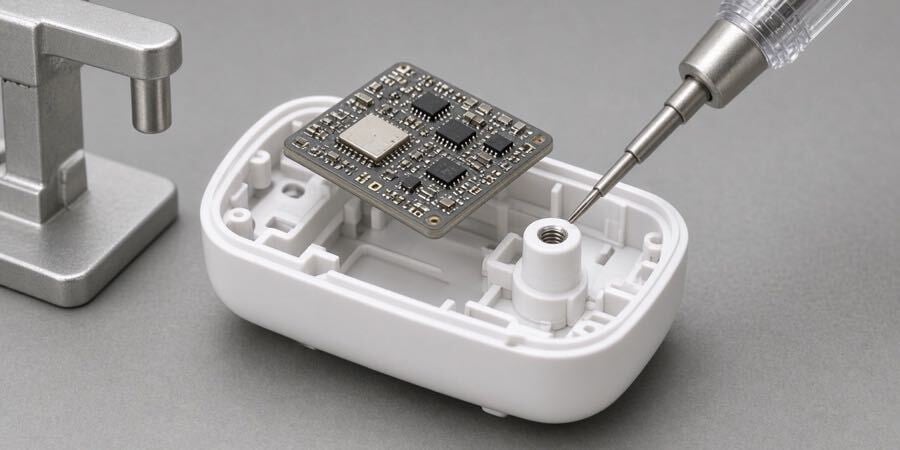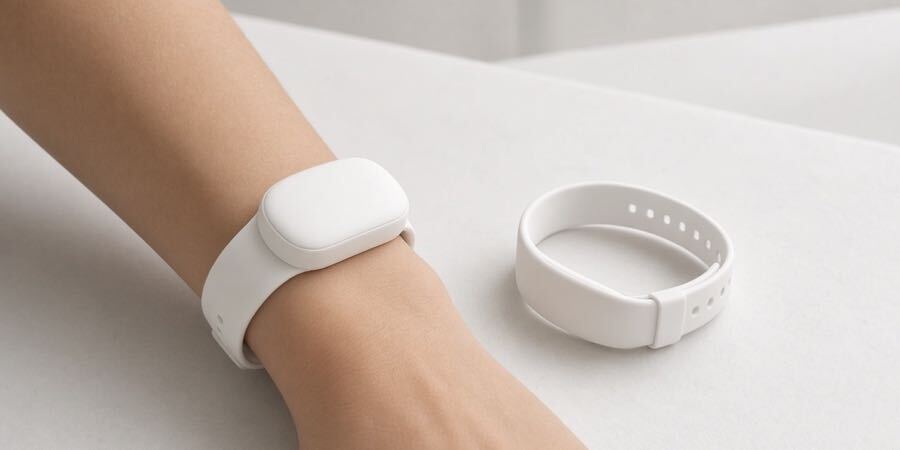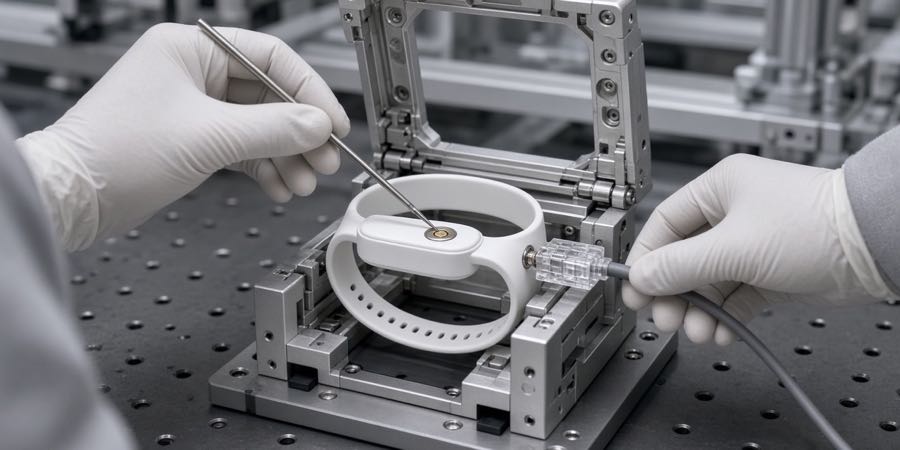
Wearable prototype manufacturing starts from the highest-priority risks defined in the validation plan. Depending on the project stage, one build may evaluate several requirements, such as sensing, connectivity, power, fit, skin-contact materials, or sealing. At NexPCB we set the round from those priorities and leave a record the next revision can use. Engineering acceleration takes a design from prototype iteration into a verified pilot product. Our wearable solutions name the wear, temperature, and seal tests that sit behind later validation. The production checks after a pilot are in Eight checks that decide if your wearable is ready for mass production.
What this round is for
A prototype that names no priority leaves every result hard to use.
Material is a wear question. Which compound is against the skin, for the wear time and the body site you named, and which compound it replaces. The comparison is useless until both compounds and the wear condition are written down.
Fit is a closed-housing question. A board that fits on the bench can miss the opening, the connector, or the seal once the housing closes. The comparison puts the board, the opening, and the connector in the same unit.
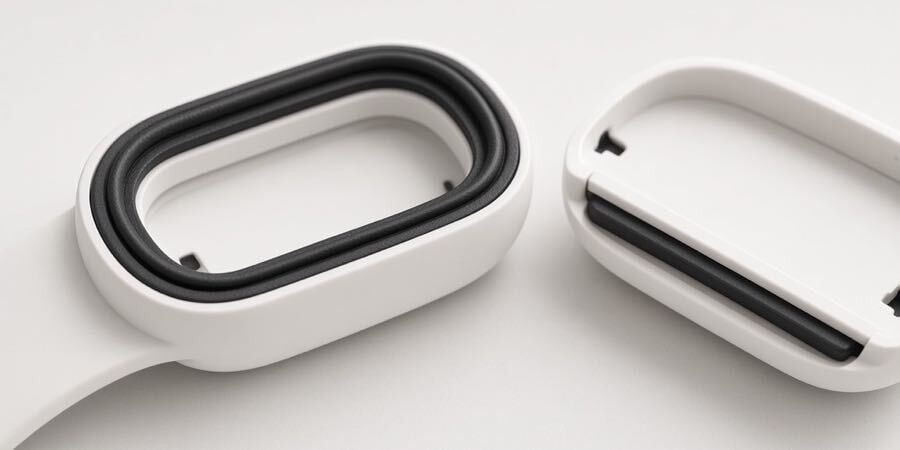
Seal is a groove question. The gasket has to stay in the groove under the wear and the temperature you care about on this round. Temperature-cycling and drop tests are scheduled according to product risks and design maturity, and may be performed during prototype validation and repeated on production-representative units.
Each round should leave a record of the validation goal, build configuration, test method, acceptance criteria, results, and next actions. Compare alternatives when this is needed to answer the validation question. The pilot still has to accept the build against its own test record.
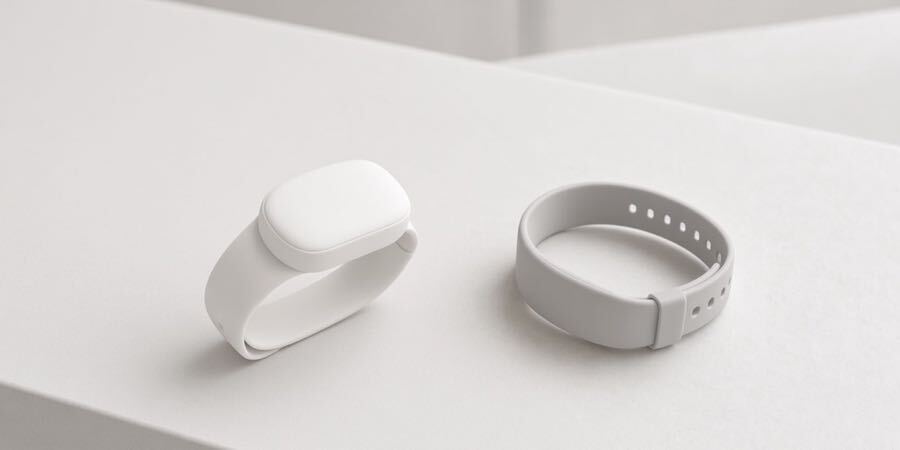
How wearable prototype manufacturing proceeds
| Question | What we compare | What you bring |
|---|---|---|
| Material on the skin | The compound in this round, and the one it replaces when a comparison is needed. | Wear site, wear time, and the skin-contact requirement. |
| Closed housing | The board, the opening, and the connector in one unit. | Current files and the sample, if one exists. |
| Seal in the groove | The gasket seated, under the condition this round cares about. | The seal section and that condition. |
| The record | What changed, and the test the next revision will run. | Who confirms the result on this round. |
What a prototype project records
The value of the round is the record that steers the next revision.
You bring the wear site, the condition, and the validation priorities. We put two options next to each other when the question needs a comparison: two compounds, two ways of holding the device, or two seal sections. When one option is enough, we test it against the written acceptance criteria. The record states which result this round supports, and which test the next revision still has to run. The round is planned from the priorities and the inputs above.
The following revision starts from a written validation goal, the build configuration, and the result.
Frequently asked questions
What does the first wearable prototype manufacturing build have to prove?
The highest-priority risks in the validation plan. Depending on the stage, one build may cover several related requirements, such as material, fit, seal, sensing, connectivity, or power, with the goal, method, and acceptance criteria written down.
What should the record contain?
The validation goal, the build configuration, the test method, the acceptance criteria, the result, and the next actions. Compare alternatives when the question needs that. The production checks that come after a pilot are a later stage.
What to bring to the first conversation
Tell us where the device is worn, the condition it has to survive this round, and the risks you most need answered. If a compound, a housing file, or a seal section already exists, say what it is. We then set the validation goal and the record that round has to leave.
Share detailed design files once a non-disclosure agreement is in place. Start at our project inquiry form.