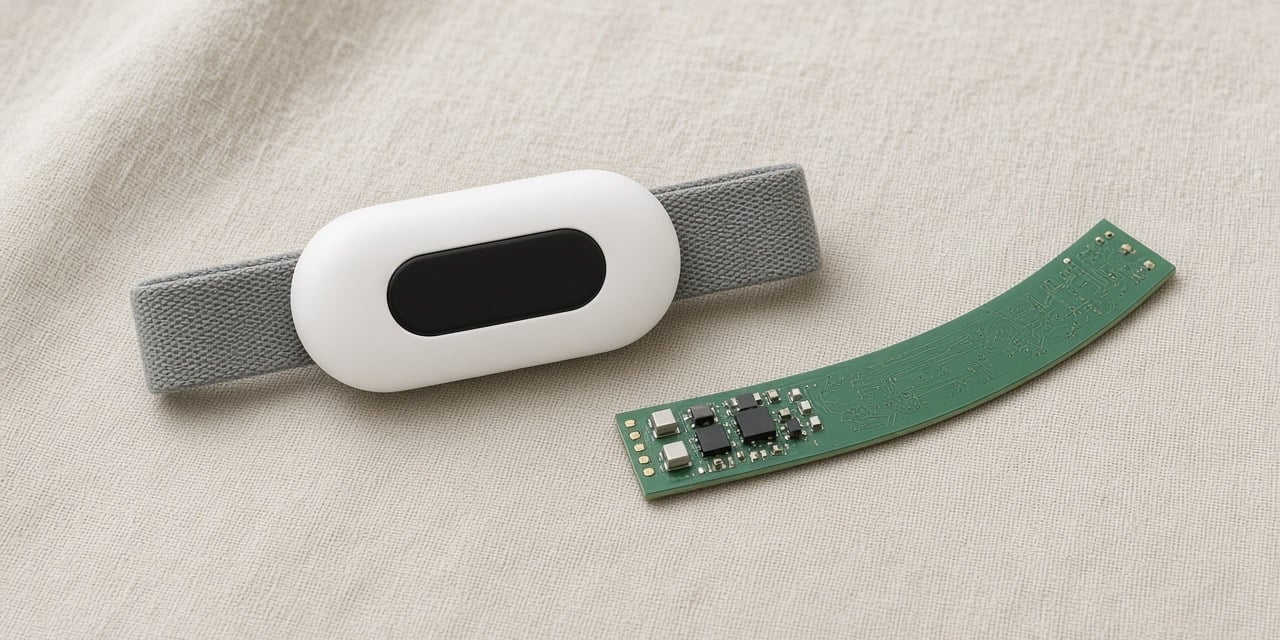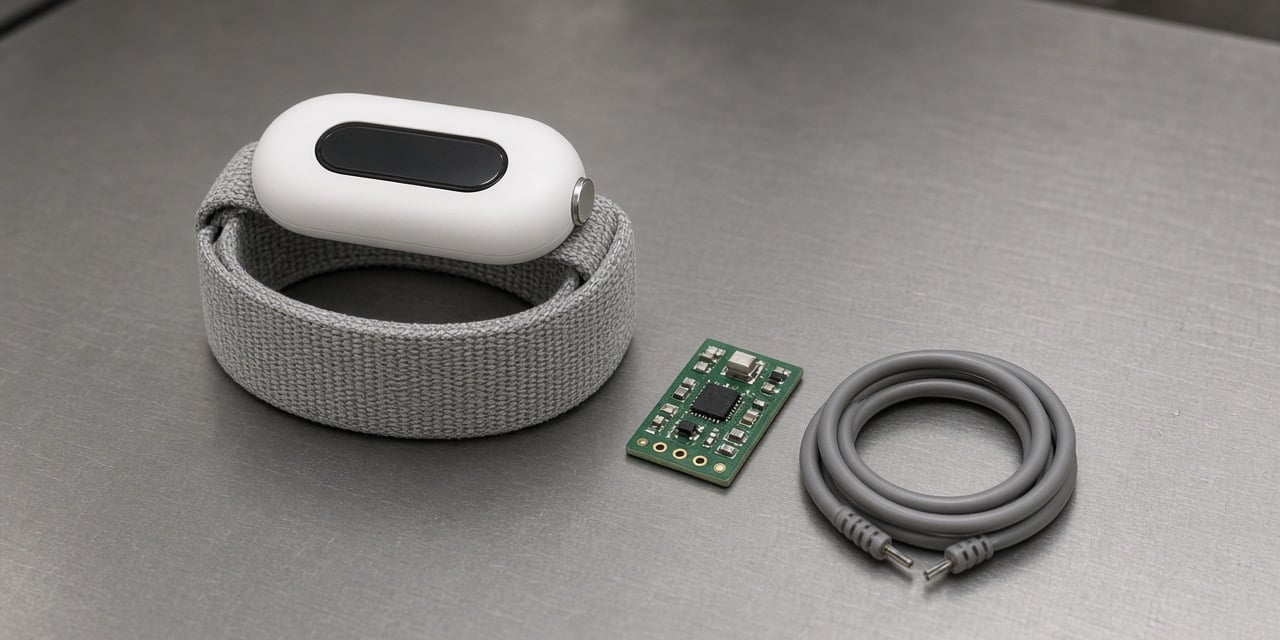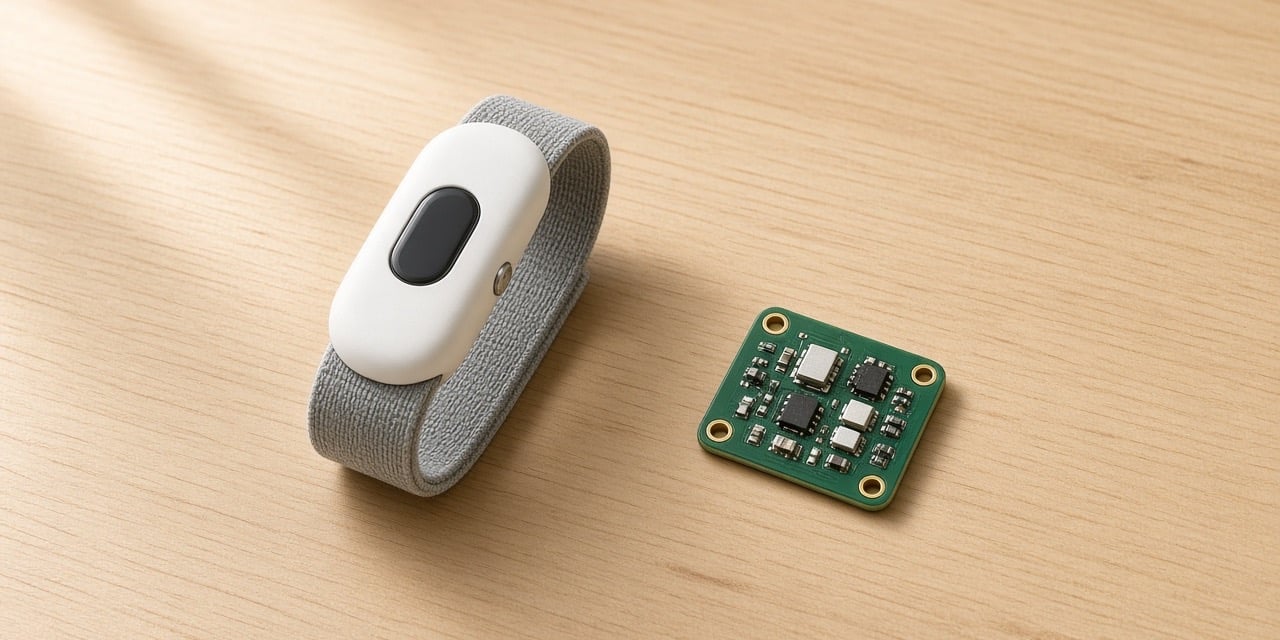
Routing, heat, and assembly get harder as the device gets smaller. Wearable electronics miniaturization at NexPCB stacks the functions into less area, then checks the joints and the heat again. The outside shape, the way the device is worn, and those engineering limits are iterated together.
Why smaller wearable electronics get harder
| What gets tight | What fails first | What the file has to name |
|---|---|---|
| Routes | A trace that no longer fits the spacing | Which nets moved onto inner layers |
| Heat | A path that no longer leaves the board | Where the heat is supposed to go |
| Assembly | A tool or a hand that no longer reaches | The order the parts go in |
The volume shrinks, and the first limits are function and reliability. Routes have less room. Heat has a shorter path out. Assembly has less room for a tool and for a hand. The outside shape is iterated with those three. It is not held until they are finished, and it is not solved before they are looked at.
What a high-density stack changes
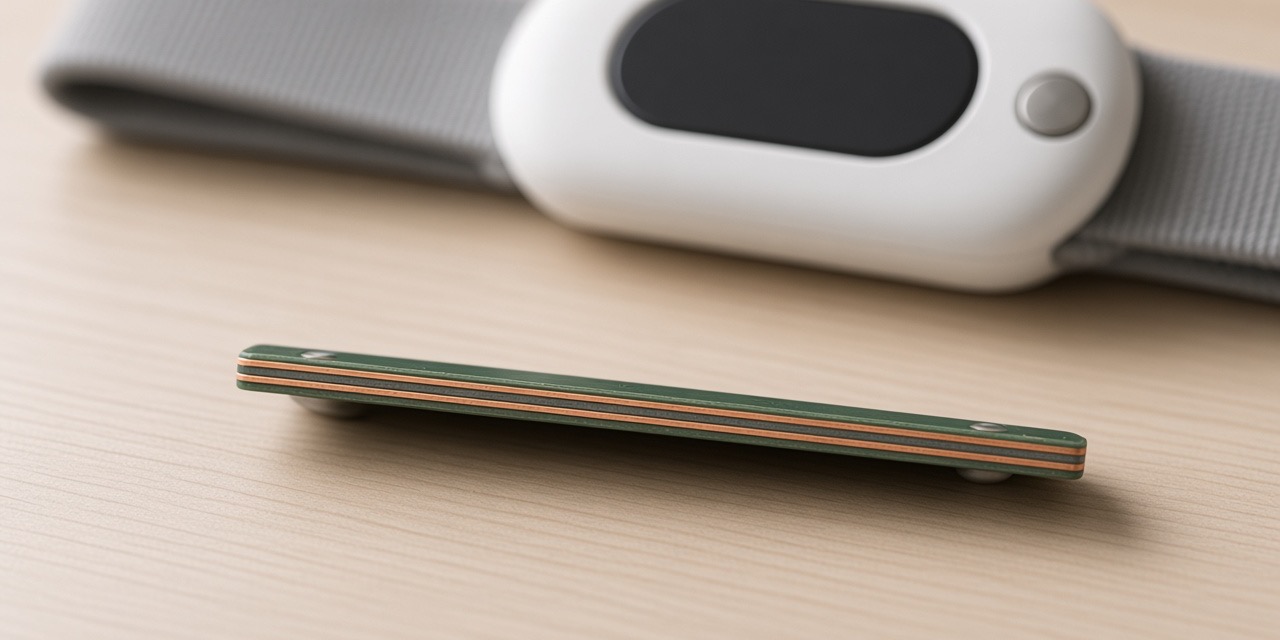
A high-density stack can use more layers and finer holes to put into a smaller area what used to lie flat. Miniaturization does not require more layers or finer holes. The layer count and the hole size are chosen for this board. Routes or nets that move onto inner layers are a routing decision. Buried parts are a special process. They are not what adding a layer does by default. The colored edge in the photograph shows a stack edge. It does not show which nets moved inward.
What a smaller part changes, and what a combined package changes
Swapping one part for a smaller package is one path. Putting several parts into one package is another path. The first path still leaves the routes between those parts. The second path removes some of those routes and moves the problem into the package. The file names which path this build is on before the layout assumes both.
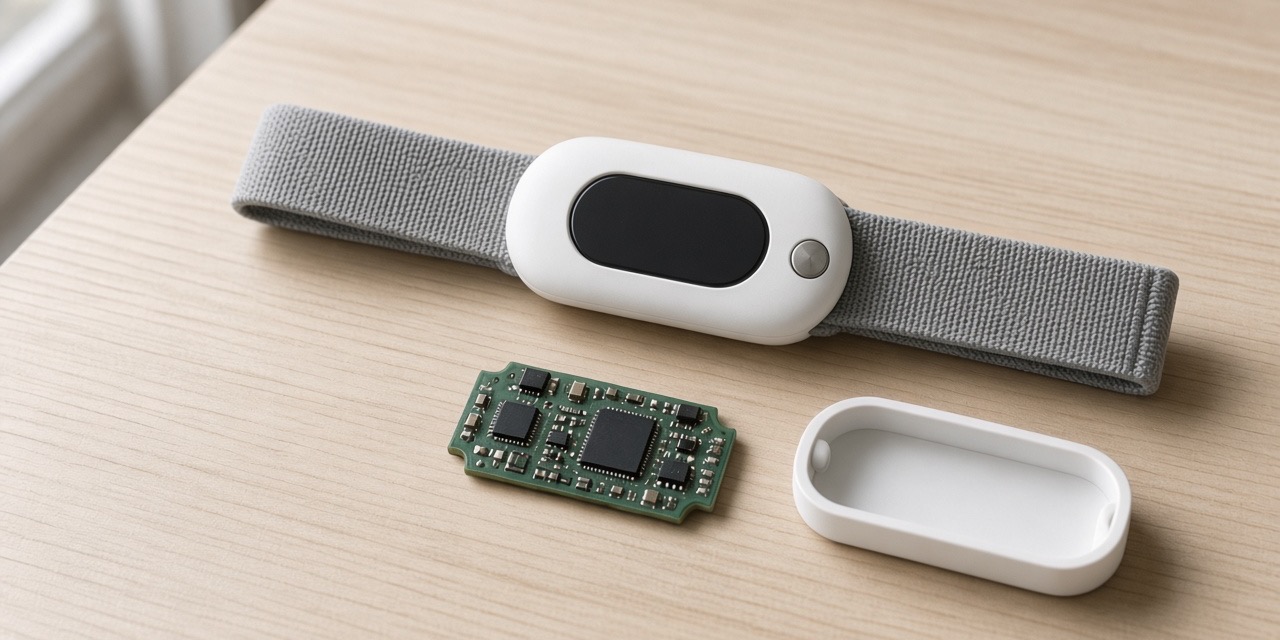
What the smaller electronics have to move together
Once the parts sit closer, the routes, the heat, and the assembly order change together. A route that fitted the last spacing can block a tool on this one. On a wearable program the electronics and the housing still proceed together. The smaller cavity does not split that work into a finished board and a shell that is drawn later.
What reliability has to be checked again
The joints and the heat are checked again after the device is smaller. A joint that held on the larger board can be the one that opens first on this board. Heat that left the larger board can stay in the smaller one. Temperature cycling and drop do not replace a temperature-rise check under use and under charge. Each of those checks runs when this build's specification names it.
Frequently asked questions
Is miniaturization a shrink of the last board?
No. The functions are stacked into less area when that is the aim. Layer count and hole size are chosen for this board. More layers and finer holes are not required by the shrink. Routes or nets that move inward are a routing decision. Buried parts are a separate process.
Do the electronics wait until the smaller housing is finished?
No. The electronics and the housing proceed together. A smaller cavity is the condition they share, not a handoff after the board is done.
What to bring when the device gets smaller
Bring the area you have to fit, the functions that have to stay, and whether this build uses smaller packages or a combined package. Name the joint and the heat path you already know are tight. Start at our project inquiry form.