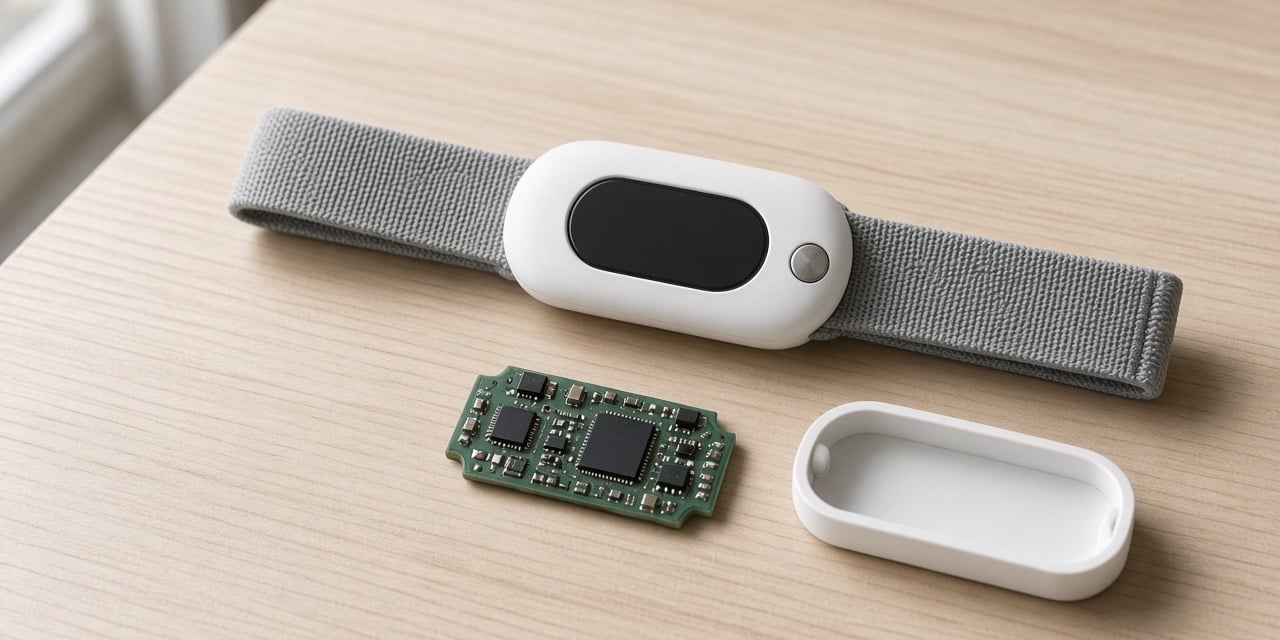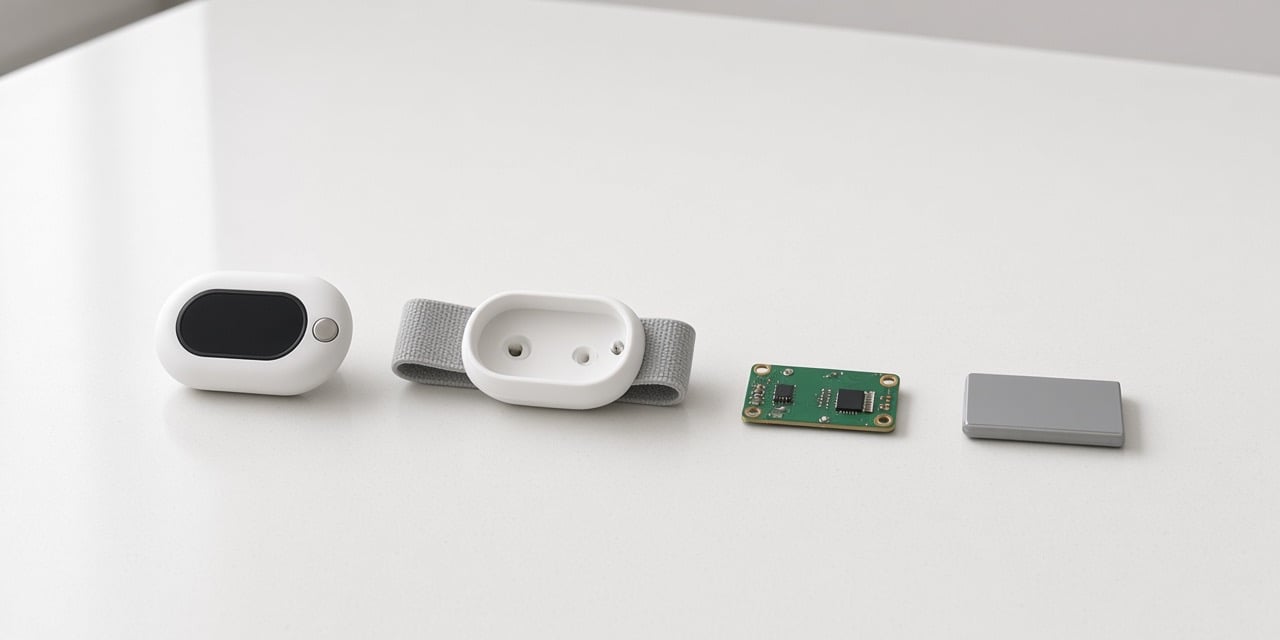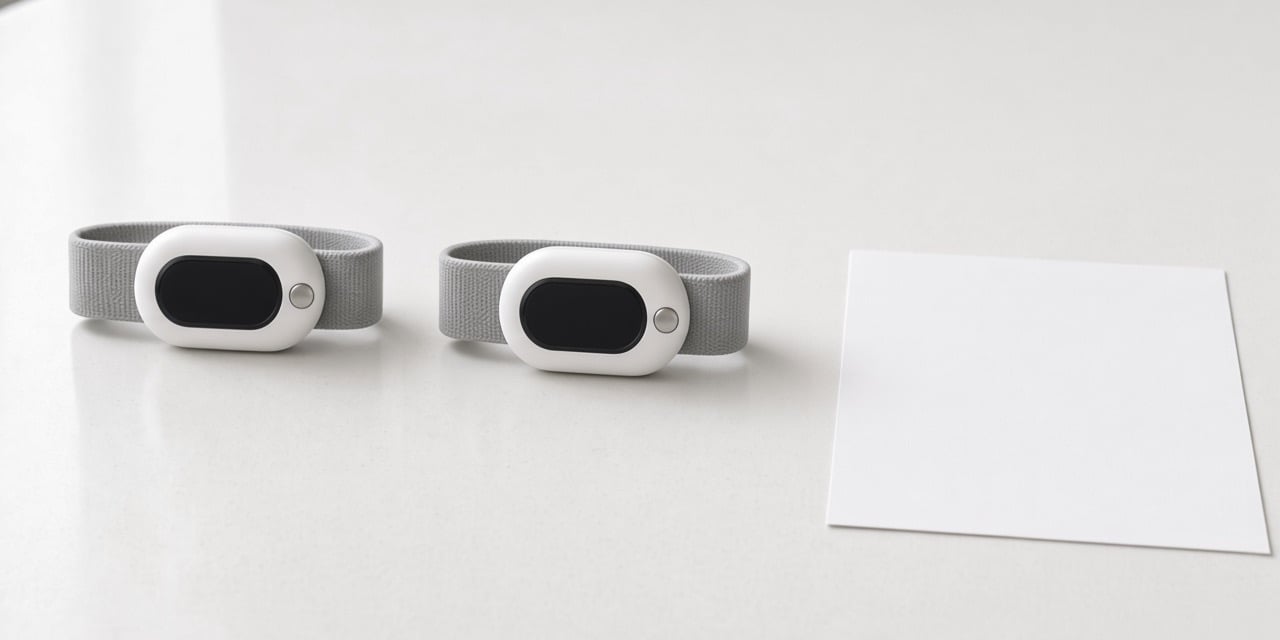
Wearable product development at NexPCB runs as consulting, EVT/DVT, pilot production, and volume. A prototype answers whether the device can be built and can do the function named for that version. A product that can be sold is a later handover. The full design-file list belongs to the stage that asks for it. A concept conversation can start from the use scene and the files already in hand.
What wearable exploration has to leave
Exploration sits in consulting. It ends with the use scene and the question this version has to answer. It does not end with a full drawing, and it does not wait until every design file is in hand. Scattered ideas become a scope once that question can be tested. A scope that cannot be tested stays in exploration. Requirements and the plan start after the question is one a build can answer. A result from a later build can come back into that question.
That question is the one the S1 prototype is built to test. The first build checks it. Architecture feasibility, detailed design, and prototype verification are three different aims, and a round can feed the next one.
What detailed design has to prove in development
Detailed design, inside EVT/DVT, checks the architecture and whether the technique the product depends on can be built. That check can start before every part is drawn. Electronics and the housing can proceed together once the architecture is the one the build will use. A drawing set that arrives before the architecture is settled still has the architecture question open. A later measurement can send the architecture back for another pass.
The architecture this section checks is the one the S1 files follow before they become the build files. The handover after the prototype is the files, the test, and the packaging method. The handover table places each project's deliverables inside the public stage.
What each stage hands over
| Where it sits | What that activity is | What this project handed over |
|---|---|---|
| Consulting | The use scene and the question a build can answer. The full design-file list is not the entry ticket | The files already in hand, and the question this version has to answer |
| EVT/DVT, S1 prototype | Engineering validation of the first build | Design files when that review asks for them (3D, 2D, finish, assembly instructions, bill of materials), quantity, target date, quality target, application, and environment. We return a technical review, a design-for-manufacture review, a process plan, a total-cost view with a risk list, and the problem and optimization notes. The close on that project was the final electronics and mechanical files, a functional test, the packaging method, and the prototype |
| EVT/DVT, handheld prototype on one project | A print-and-fit loop inside engineering validation, not a separate stage | The client for this project supplied the unit and confirmed each round. We did prototype design, 3D printing, and assembly. The number of rounds was set as the work went. On that project, each round left one day to change the design before the next print |
| EVT/DVT, design review | A review activity inside the same stage | An ISO design-input review, a design-verification report, and a design-output review. Design output includes the bill of materials, the drawings, the production work instructions, and the test work instructions |
| Pilot production, S2 | Reliability, the quality standard, and the pilot run | The reliability-test plan, the quality standard, and the pilot-run plan for that pilot |
| Volume, S4 | Quality verification and the volume problems, delivered in lots | The volume problems that project wanted solved, on the way to volume |
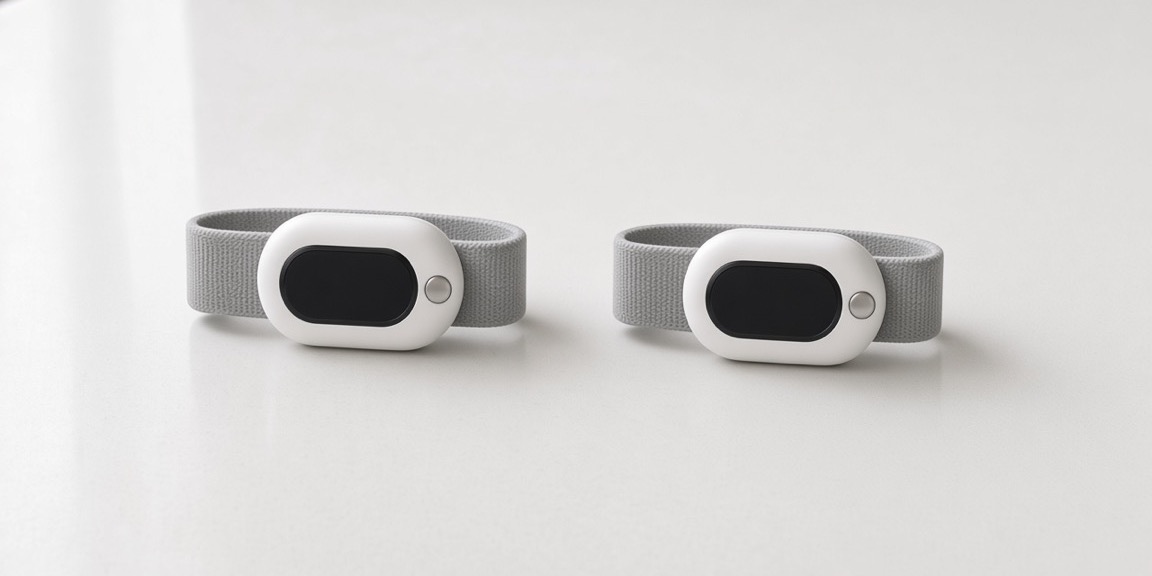
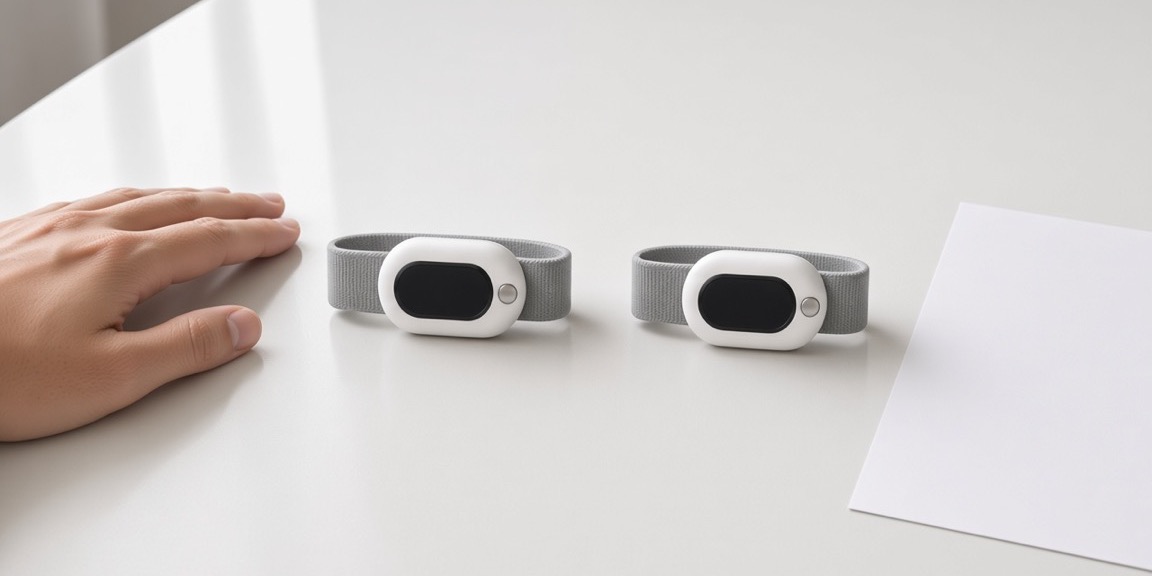
A multi-channel acquisition program named its own deliverables inside these stages: engineering validation, design verification, and production validation, with examples such as five prototype boards, a test plan, and a design-architecture document. Public wearable work runs through engineering validation and design validation (wearable solutions). The two finished units in the photograph are a prototype concept. They are not a recorded before-and-after of one revision.
What the prototype still has to decide
The handheld loop on that project stayed open until the client for this project confirmed the round. That confirmation is what started the next print. The one day in the handover is the time that project left to change the design. It is not a lead time for the next program. The next round's scope follows the verification target and the plan both sides confirm.
Frequently asked questions
How many design and print rounds does the handheld prototype take?
The number on the handheld project was set as the work went. The client for this project confirmed that round, and the next print waited on it. The one day was that project's schedule.
Where do engineering validation, design verification, and production validation sit?
Inside that program's handover, mapped onto EVT/DVT, the design review, and production validation. On the multi-channel program, the middle name is design verification. Those names are that program's deliverables. They are not a second stage list beside consulting, EVT/DVT, pilot, and volume.
What to bring to the first conversation
Bring the stage you are in, the design files you already have, and the question you still need this version to answer. If a reliability plan or a pilot plan exists, say which stage it belongs to. Design files come across under a non-disclosure agreement. Start at our project inquiry form.