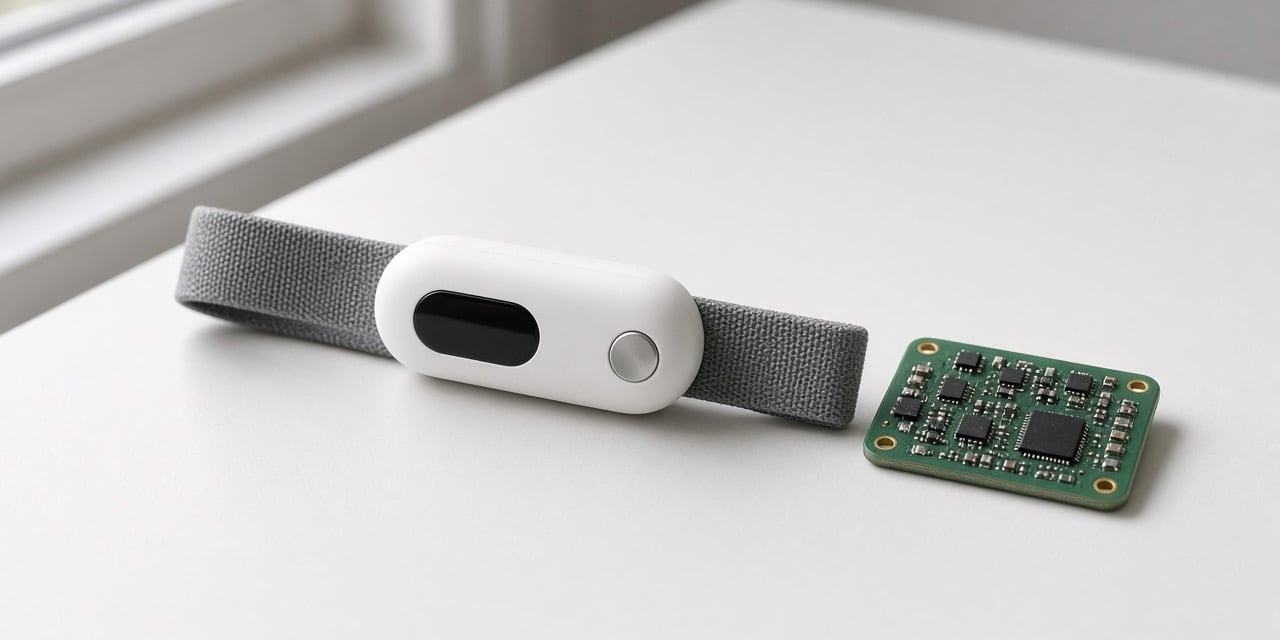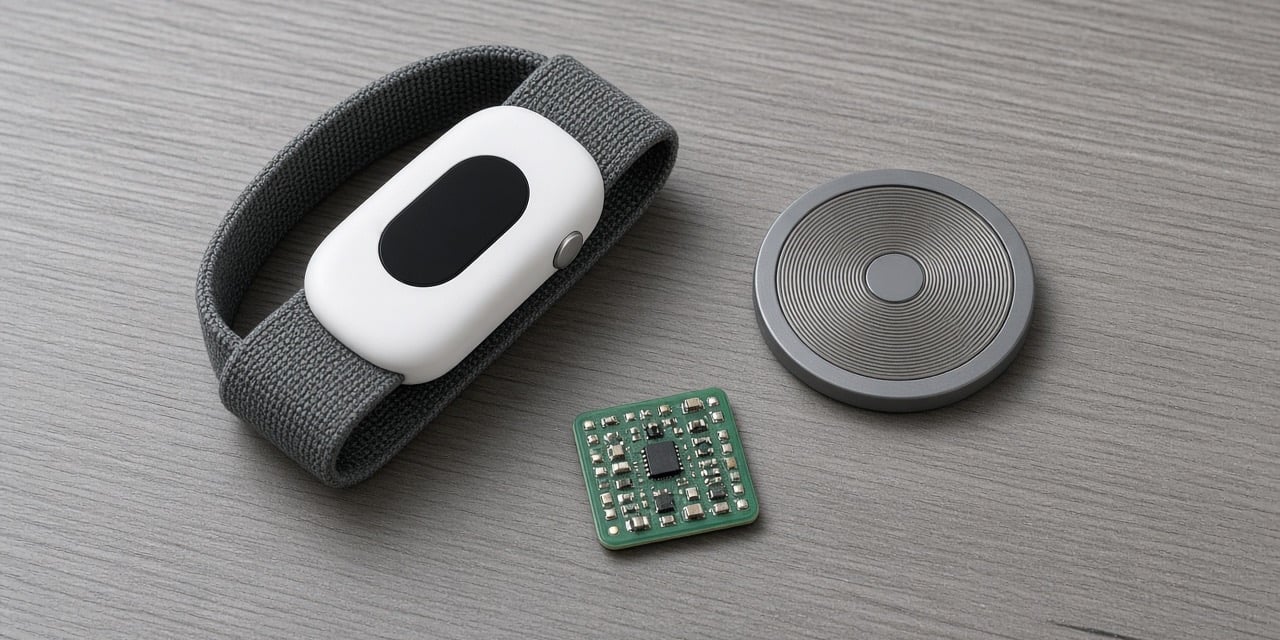
On one recorded review, the latest bill of materials was the first file opened. Wearable electronics design at NexPCB matches that list to the Gerber of the same approved configuration before the board is ordered. The two version numbers do not have to be the same. The parts have to fit the volume the housing gives them. The board is a rigid board fixed in the housing, or it bends, according to the space, the assembly, and whether that length actually bends. The power path is named before the routes go down. The cell budget, the antenna, and the firmware are judged with that circuit.
What wearable electronics design settles first
Three lines are written before layout on that review. The parts have to fit the volume the housing gives them. The board structure follows the space, the assembly, and whether a length has to bend. A rigid board fixed in the housing is a normal wearable board. It does not have to bend, and it does not have to touch the skin. The power path, including how the cell is charged, is named before the copper is routed. A change to that path is reviewed for whether the board, the schematic, or only the bill of materials moves. It is not automatically a new board.
On a wearable program the electronics and the housing proceed together. A board that already runs can still miss the opening, the seal, or a length that has to bend.
The cell budget, the antenna, and the firmware that runs after power-up are evaluated with the circuit. They change the parts, the power path, the interfaces, and the layout. Matching the versions is one part of the review. The review also covers the electrical function, the power, the interfaces, and whether the board can be built.
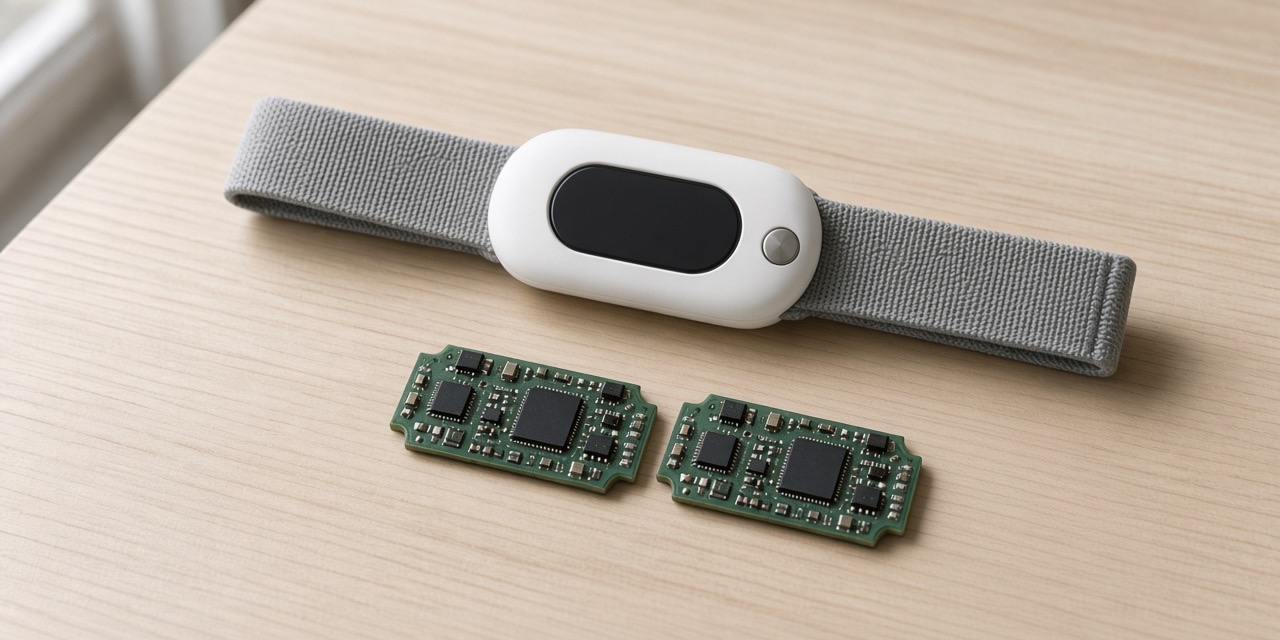
What the first file has to match
| File | What we compare | What the review still needs |
|---|---|---|
| Latest BOM | Designators and part numbers against the Gerber of the same approved configuration. The version numbers do not have to match | A change note that says what changed, kept with the approval |
| One suffix update | The designator whose part-number suffix changed, with the Gerber left as it was, plus the change note and the approval | The schematic and the assembly data, for the part number, the package, and the pin match |
| Drawings | The electrical parts against the Gerber and the drawing of that approved configuration | The configuration that placement and test both use |
On a watch program, an updated package arrived and the Gerber had not changed. One designator carried a new part-number suffix. The rest of the list was the same. Circuit review started after that split was written down: what changed, and what did not.
Part numbers are created while that check is open. The mechanical work starts the DFM review before tooling with the supplier at the same time. The QC standard for the build is named before the first units are made, and so is the transport test that applies to the cell. A passed transport test answers the shipment. Heat and a drop on the worn device are a separate check.
A designator and a Gerber revision that do not name the same build leave placement and test with nothing to judge.
Once that board is built, it still has to give its own first record.
What the design still has to fit inside the housing
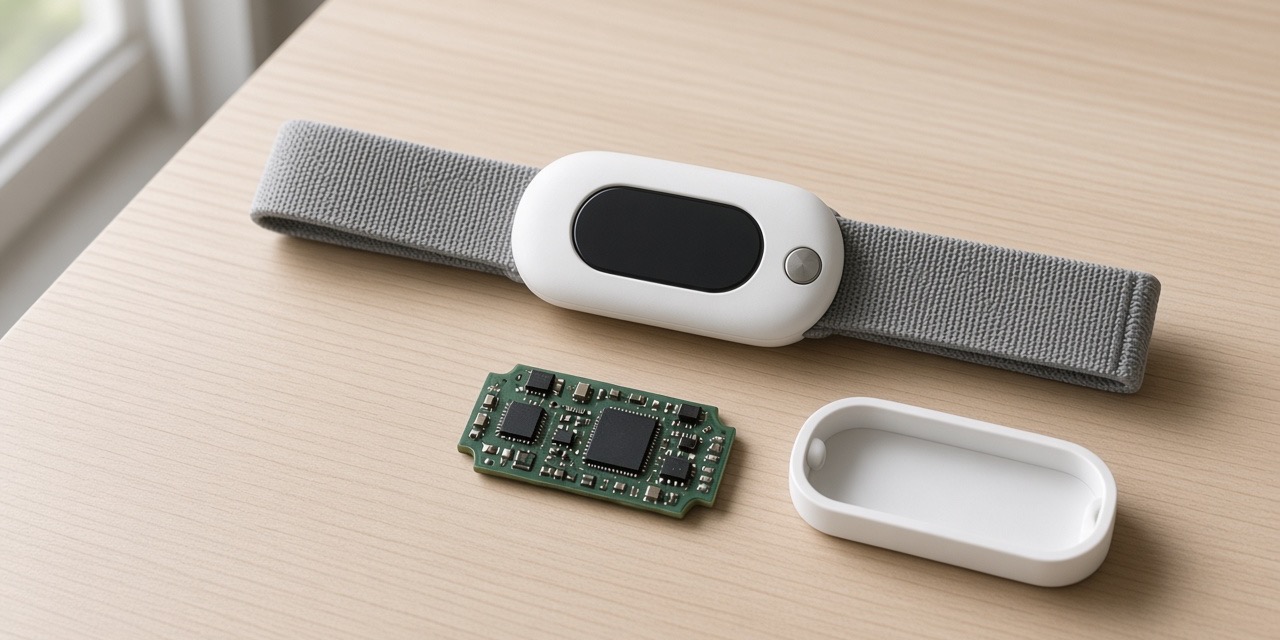
The circuit is not finished when the schematic is drawn. The substrate is chosen for whether that board has to bend and whether it can close into the housing. A rigid board fixed in the housing does not take a flex substrate only because the device is worn. The conductor decides how fine a route can be, and whether a bend is a place the copper can open. The cover has to stand up to sweat, moisture, and ordinary rubbing where the device touches the skin, so it is chosen with that contact. Those three materials are settled with the power path, not after the parts have been placed. The two boards in the photograph are populated boards. They are not a bill-of-materials check by themselves.
Where the board may bend, and where the parts sit relative to that bend, is settled with the stack before the board is ordered.
Frequently asked questions
Does a board that powers on mean the review is finished?
No. Power on the bench has not shown that the bill of materials and the Gerber are the same approved configuration. Matching the versions is one part of the review.
What has to be true before circuit review starts?
On the review that opened the bill of materials first, that list had been matched to the Gerber of the same approved configuration, and the note said what changed and what did not. That match is part of the review. It is not the whole review.
What to bring to the circuit review
Bring the latest bill of materials, the Gerber of that version, the schematic, and the power path. If one designator changed, mark the suffix and say whether the Gerber moved. The review files follow a non-disclosure agreement. Start at our project inquiry form.