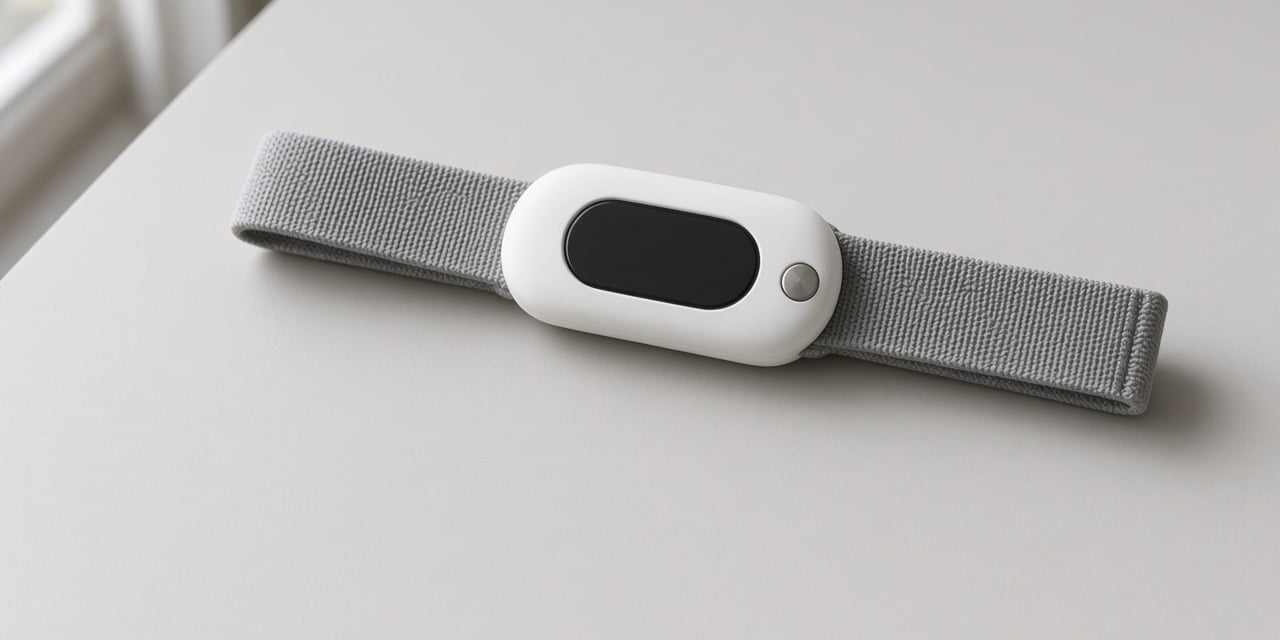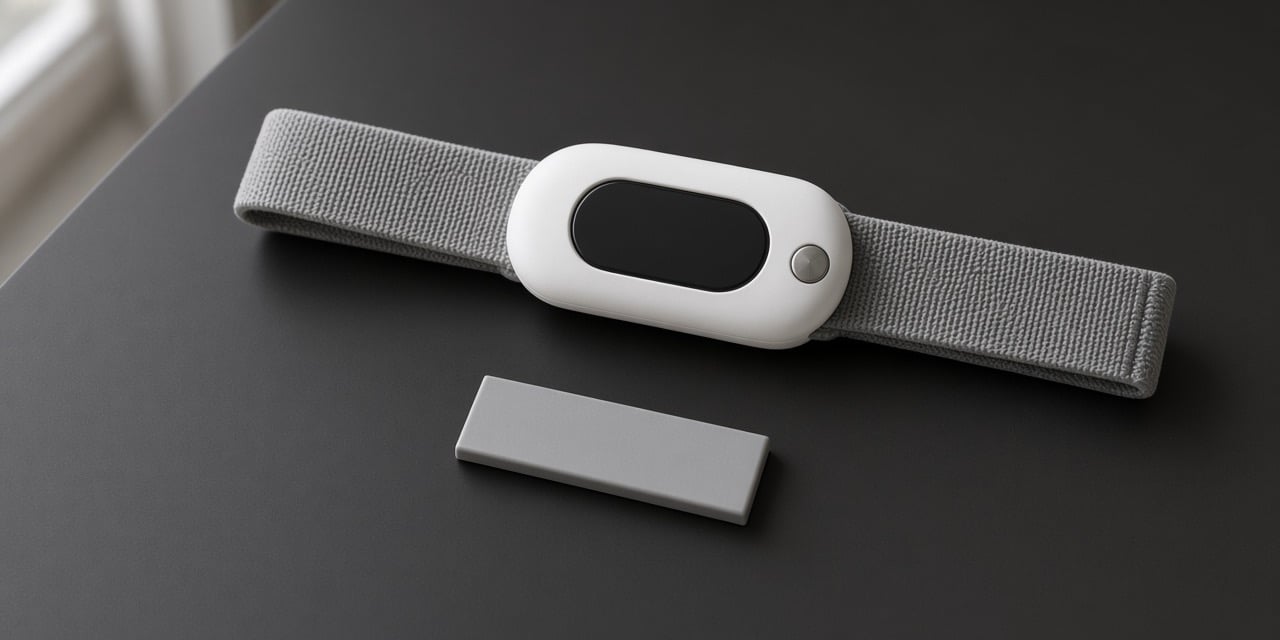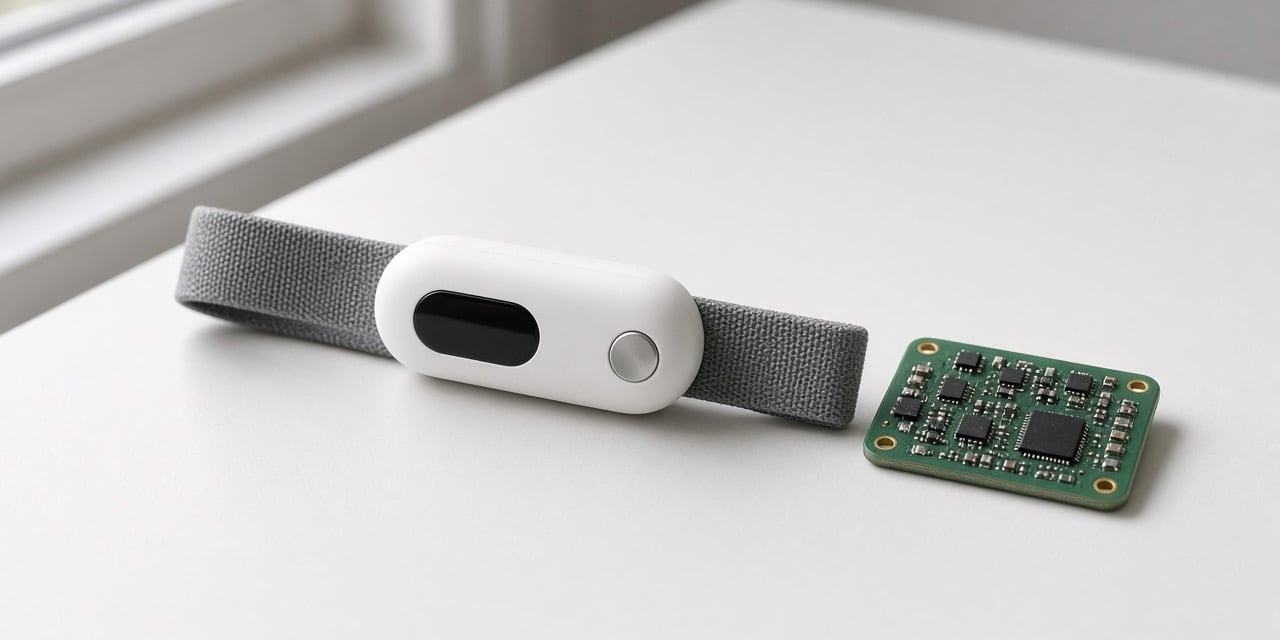
This build checks the targets written for it. Wearable prototype development at NexPCB uses those targets to decide what is in the build. A build can check more than one requirement, including a function that is not yet shown. The priority is the risk this round is built to expose.
What a wearable prototype is for
Before it starts, the file names the class of problem this version is built to expose: how it is worn, how it charges, or one kind of sample. A failure sends the change back to the design when that failure is what the round was built to find. A new function can be in this build when the targets name it.
The first build checks the question this version named. The next version can test a new fix. The fix still needs a method and a pass condition. It does not have to have been shown on the previous build.
What this development build includes
| This order | In the build | Left waiting |
|---|---|---|
| Acquisition board | The only board released on the order. The bracket stayed after the photographs showed the pins meeting the sensor bay. The photographs support the position. They do not by themselves show a reliable electrical contact | The contact check that the photographs do not close |
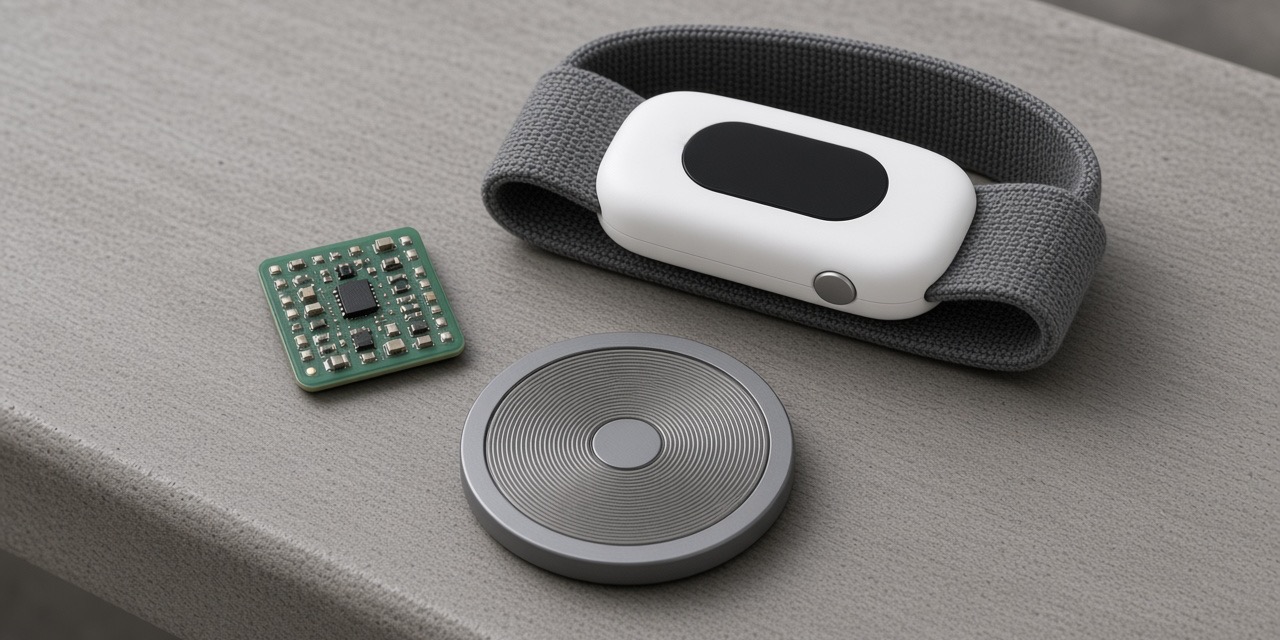
| Battery and coil | Welded and assembled in house on the first small run of that device. The coil in these frames is that run's charging coil | The assembly method for the following run |
| Marks and the light pipe | Left and right marks, plus one light pipe per unit after the water and dust finding. Listing the pipe does not by itself close that finding | The water and dust check that the bill-of-materials line does not close |
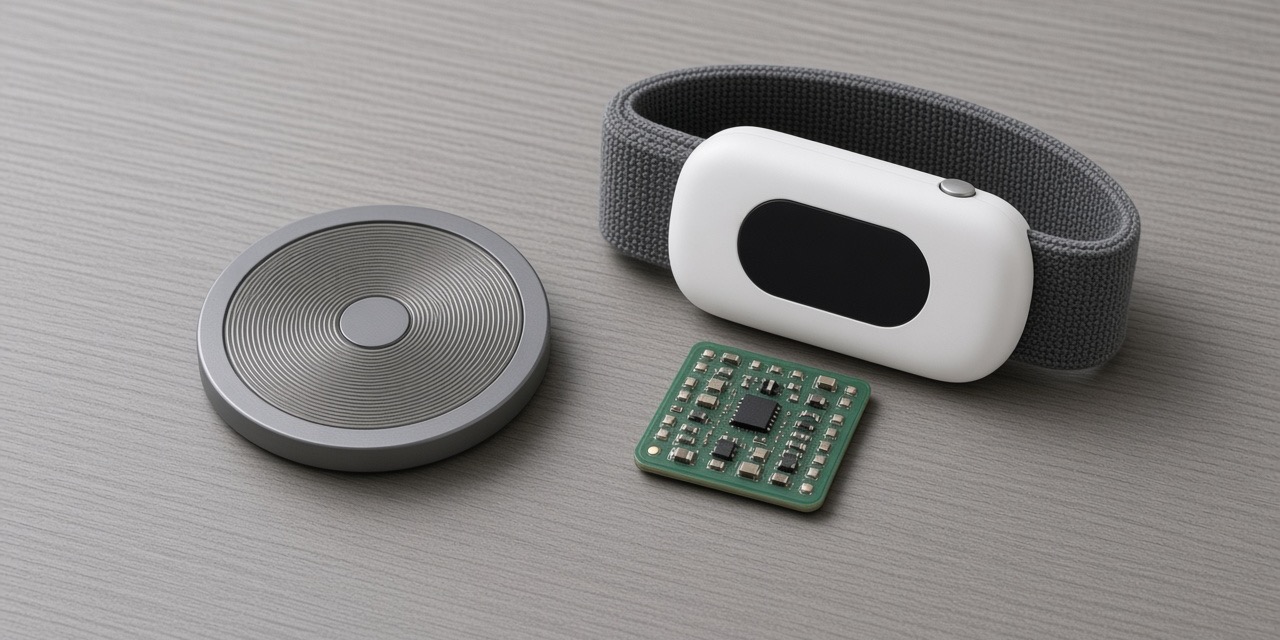
On a flexible sensing wearable, the first small run welded the cell and the wireless charging coil in house. The client for this project released only the acquisition board. After the photographs showed the pins meeting the sensor bay, that bracket stayed. The photographs support that position. They do not by themselves show a reliable electrical contact. The only addition there was a left-right mark. A later test asked for a light pipe to keep water and dust out. The pipe went on the bill of materials at one per unit, and the rework review named it so it would not be left off. Putting the pipe on the list does not by itself close the water and dust finding.
What the next build waits on
On the second run, the client for this project had confirmed the production files and the acquisition board went into production delivery. The sensor bay and the charger did not start. How the cell and the coil would be assembled on that run was still open.
On another device the IMU calibration failed. The client for this project confirmed that only the IMU was replaced, then the unit was assembled and calibrated again. That replacement belonged to that case, after the cause was placed on the part. A calibration failure can also sit in the solder, the fixture, the reference, the supply, or the software configuration, so the cause is found before the part is replaced. The test software stayed on that case. Anything else unusual was reported rather than folded into the same change. An alternate whose registers differ stays off the batch whose approval does not cover it.
The next build can take a fix this test has already shown, or it can test a new fix that has a method and a pass condition. A photograph of two pins meeting is not a finished electrical contact. Adding the light pipe to the bill of materials does not by itself close the water and dust finding.
Frequently asked questions
Can this version carry a function that has not been tested?
Yes, when this build's targets name it. An untested function can be the thing this version is built to check. The targets say which functions are in and which wait.
What happens when one part fails calibration?
On the IMU case, the part was replaced after the cause was placed on the part, and the calibration was run again. The rest of that design, including the test software, stayed unless a new fault was reported. A later failure starts by finding the cause. Replacement is one path after that.
What to bring before this prototype
Bring the question this version has to answer, the parts that are in, and the parts that wait. If a photograph already shows a contact made, bring it with the bracket you intend to keep. Bring the package under NDA. Start at our project inquiry form.