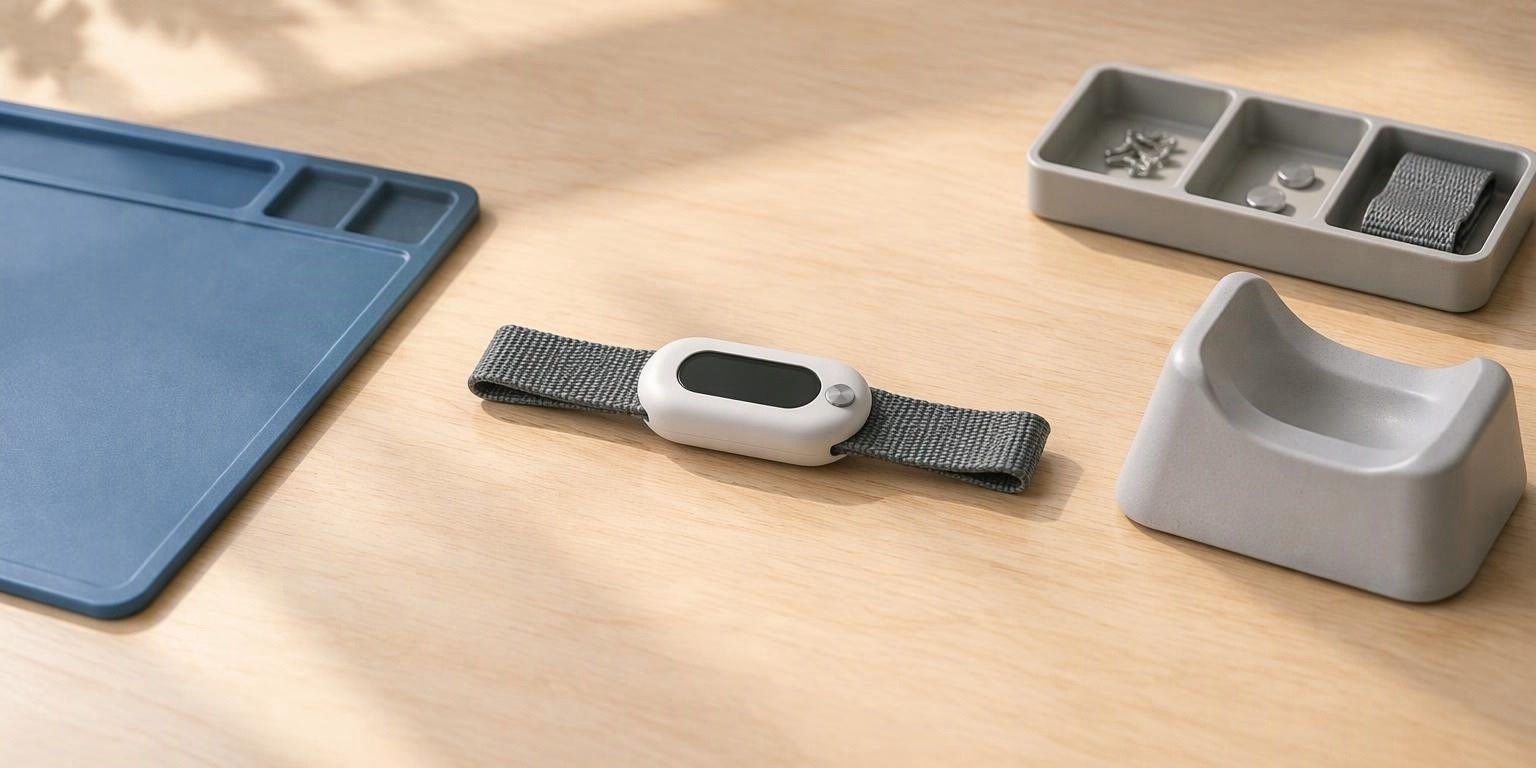
At NexPCB, we use Design Validation Test (DVT) to evaluate whether an identified electronics design meets the agreed product requirements. An engineering prototype can show that an idea works; a DVT build gives you evidence for the version you intend to take forward. When you are planning wearable development, that distinction affects which hardware you test, how you use it, and which claims the result can support.
What does a DVT build prove that an engineering prototype does not?
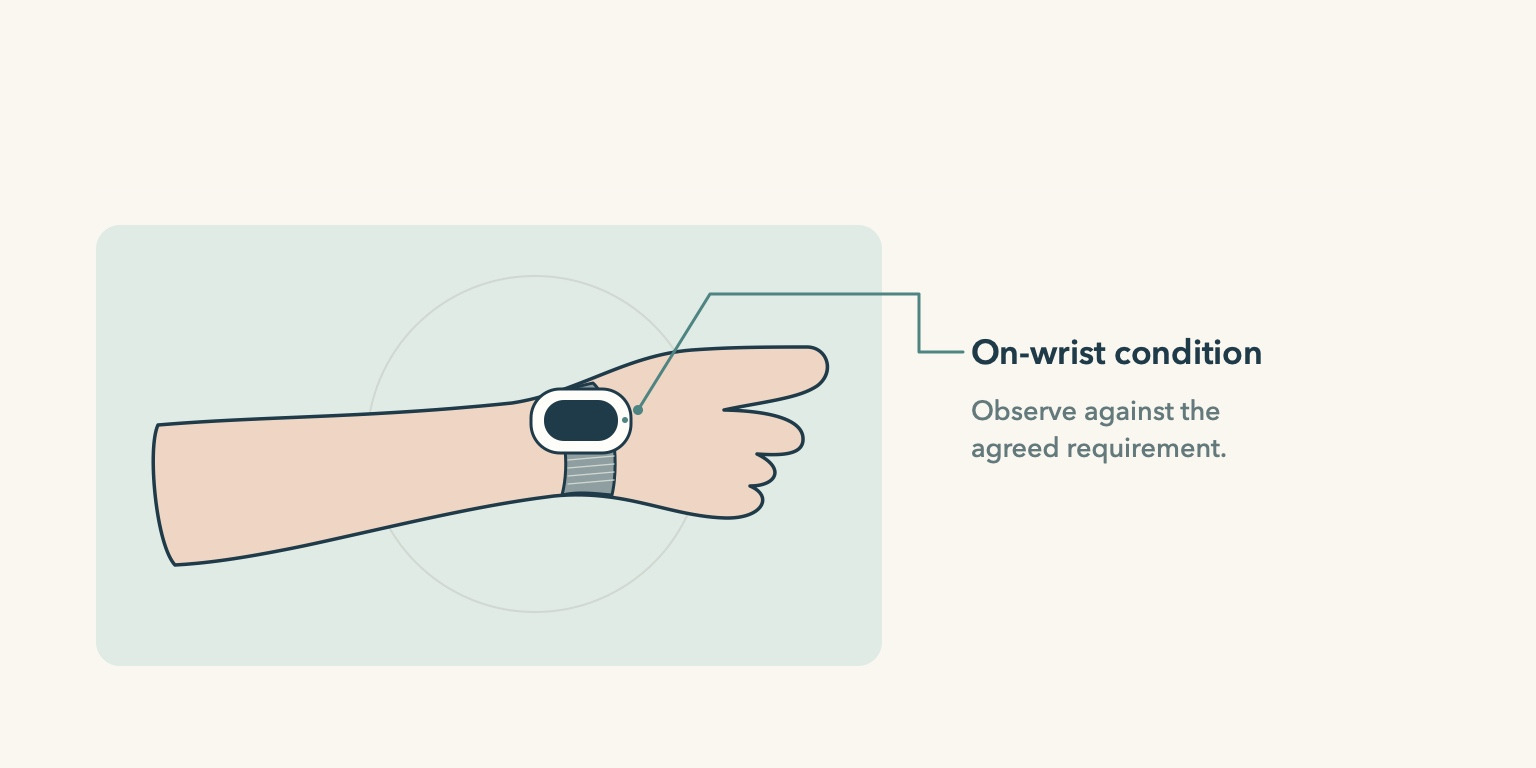
Start with the requirements revision and design baseline you intend to evaluate. A useful design result links a requirement to an observation from a known configuration under defined conditions. If a requirement specifies how the product operates while worn, the relevant observation represents that use condition. A benchtop check may explain behavior without settling the requirement.
Agree what the requirement is asking before you interpret the result. “Works after charging,” for example, could refer to startup, continued operation, or recovery after the product returns to a particular state. Those questions can call for different observations. Give the requirement a clear acceptance criterion and preserve the condition under which the criterion applies. Then the team can distinguish a measured result from its interpretation.
On our Hardware Innovation Curve, DVT happens late in s1 Prototype iteration before the s2 pilot run. See what a wearable prototype still has to decide for how prototype work fits into development, and the EVT, DVT, and PVT stage guide for the validation decisions across builds. At that point, the design should be sufficiently defined to tell a reviewer what the result covers. For a device assembled from electronics and mechanical parts, identify the relevant hardware, firmware, enclosure, and assembly configuration. The level of detail should be enough to judge whether the units represent the requirement and whether another configuration would change the conclusion.
Record the result as meeting the criterion, missing it, or remaining open. A test is inconclusive when an unmet setup condition prevents the comparison the requirement calls for. A valid result that misses the criterion is a failure. Keep those outcomes separate: the former can call for correcting the setup, while the latter may call for changing the design or recording how the project will handle the unmet requirement.
A useful design result also records what someone should do with it. A met criterion can support moving that feature forward on the evaluated configuration. A failed result identifies the requirement and the observed behavior the next revision needs to address. An open result identifies what needs to become known before anyone can make that decision. Avoid grouping different outcomes together under a general assessment of the build.
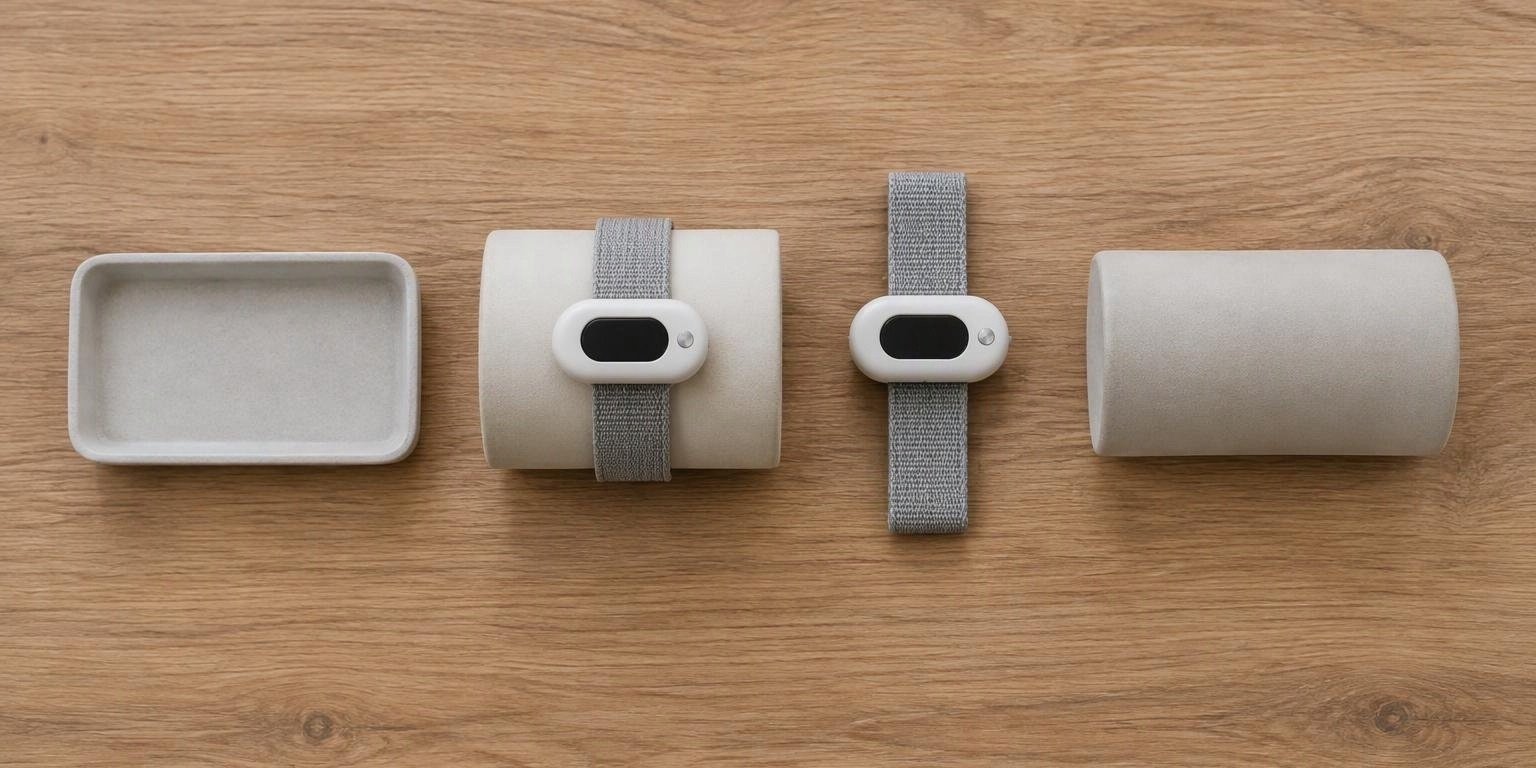
Validation samples represent the near-freeze design
If the team is still deciding what this build should include, see how to scope a wearable prototype build. Once the design is ready to evaluate, choose samples that represent the agreed revision and relevant operating conditions.
Engineering samples are built with room for experiments. They can use temporary parts or modes, and two engineering units may represent different approaches. That flexibility helps you understand feasibility. Validation samples are selected to represent the intended design for the requirements being judged. If a sample differs from the design, make the difference visible and determine which results it can support.
For example, suppose a prototype was evaluated with an enclosure removed so signals could be reached. That may be a useful configuration for an engineering observation. If the intended requirement applies to an assembled product, use a representative assembled sample or explicitly define what the incomplete configuration can establish. The question is whether the observed result belongs to the configuration named in the requirement.
| What to identify | Engineering prototype | Design validation sample |
|---|---|---|
| Design reference | The iteration or candidate being investigated. | The agreed revision intended to satisfy the requirements. |
| Departures from that reference | Temporary changes that help isolate the engineering question. | Specific differences that may affect whether a requirement can be judged. |
| Result to carry forward | What the chosen approach demonstrated under the engineering conditions. | Where the evaluated design meets the requirements and where evidence remains open. |
Use sample identity to connect the two rounds without merging their conclusions. If an engineering instrument setup still works for the validation sample, you can reuse it after checking that it represents the required condition. If a dimension or interface changed, compare the new result on the validation sample with the agreed criterion instead of carrying over an old verdict. That distinction lets you reuse engineering work without losing track of what has actually been validated.
A design change during validation calls for a revision decision. Identify the requirements the change can affect and reassess those results on the appropriate configuration. Where a previous result remains relevant, keep the rationale with it. If a single requirement is supported by results from multiple units, record the units and differences so anyone reviewing the decision can understand why the combined evidence is applicable.
Use the agreed requirements across builds without mixing their decisions
A product requirements document can follow the same project from engineering through production. Teams read it differently at each point. An engineering iteration uses selected requirements to focus on the design risks most worth investigating. DVT uses the agreed requirements as the criteria for judging the intended design. The manufacturing team later needs to establish that the process can build and check the design repeatedly. That question uses the design requirements, but the evidence comes from the process.
In DVT, distinguish requirements agreed for this decision from topics still under discussion. If a requirement changes during the build, retain the original revision and identify which result, if any, still applies under the change. If the condition changes, assess whether the earlier result represents it, even when the requirement retains the same name. Likewise, if the criterion stays constant but the design revision changes, assess the effect of the revision before carrying the result forward.
You bring the agreed requirements and candidate design. In Engineering Acceleration we work on design validation before the pilot; the useful output at this point is a record of which agreed requirements the design meets, where it fell short, and what remains to be established. That gives the pilot team a defined design decision rather than a general impression from the prototype.
Record what the result represents
A reviewer should be able to select a requirement and determine what part of it the result covers. Consider a function with different operating modes. If the observed outcome pertains to a local mode, label it accordingly even when the result looks promising for the connected mode. Where the design and requirement call for different behavior in those states, both observations can be useful without either standing in for the other. Also keep the recorded measurement separate from the pass/fail disposition so a later requirements revision can be assessed against the original observation.
If the team agrees to proceed with an open result, preserve the reason and what the remaining evidence needs to show. A deferred test leaves the conformance decision open. An approved deviation records the specific departure the project has agreed to accept; it does not show that the original criterion was met. Record the applicable requirement revision in either case. That gives the next team enough context to use the validation evidence when it makes its own decision about the pilot.
Frequently asked questions
Which requirements should I use when the product specification is still changing?
Use the requirements explicitly agreed for the validation decision. Mark unsettled items separately and review whether a later change affects the method, sample, or criterion behind an existing result.
Can an engineering sample also serve as a DVT sample?
Assess whether its configuration represents the design and conditions for the requirement being judged. Keep any differences and their effect with the result so the design decision remains traceable.
When is a DVT result inconclusive rather than a fail?
A result is inconclusive when the setup or sample cannot support the comparison the requirement calls for. A failure is a valid result that misses the agreed criterion. Resolve the setup or sample issue before drawing a conclusion about the design from an inconclusive result.
Review the design validation baseline
To discuss what a DVT result needs to establish for your electronics build, take the agreed requirements revision and intended sample configuration to Accelerate Now. We can discuss whether those samples represent the design decisions you need to make.