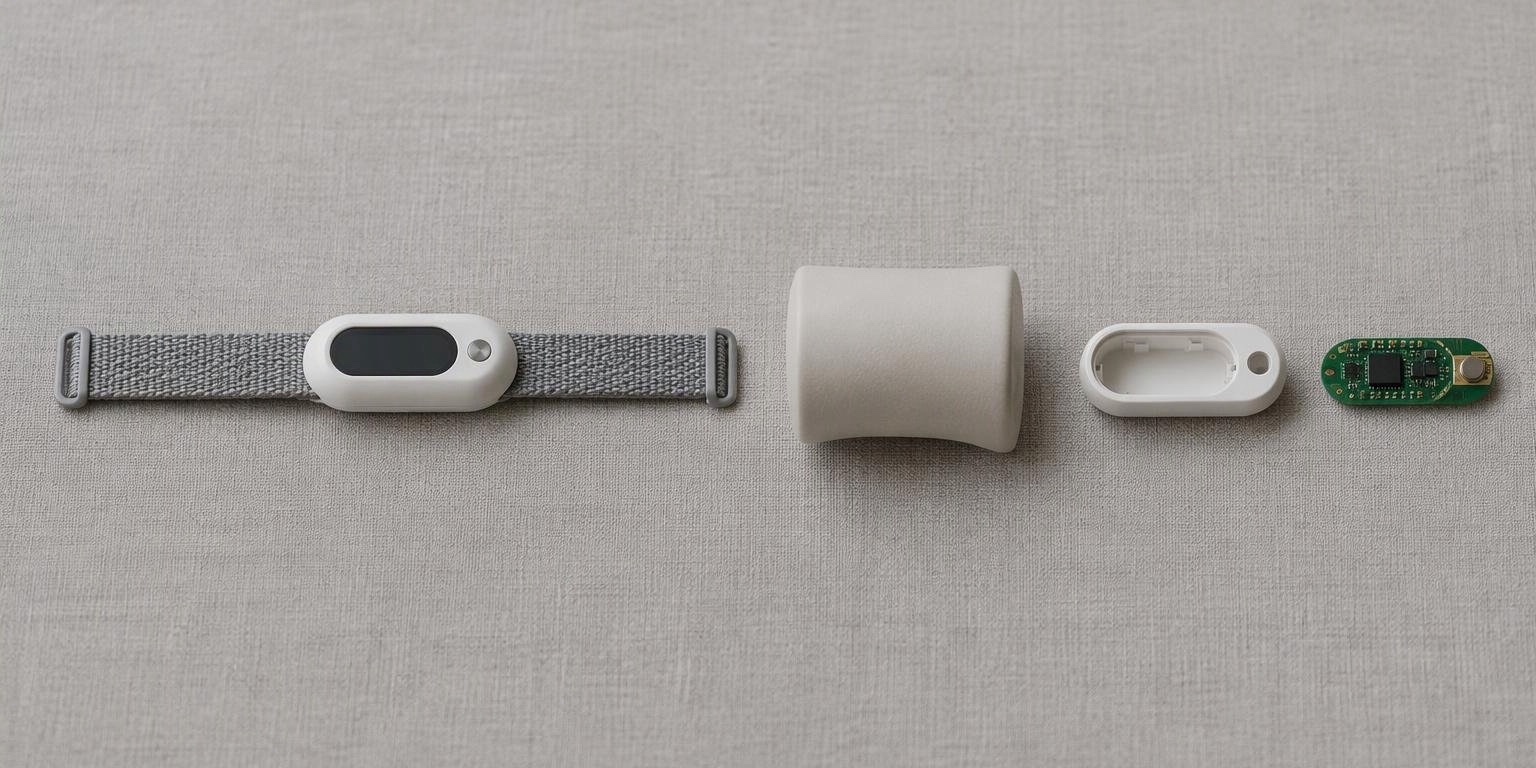
At NexPCB, we judge a New Product Introduction (NPI) supplier handoff by whether the factory can tell what to build, how to build it, and how to decide if it passes. Release a set of documents that describe the same approved configuration. For a wearable program, the interface between the loaded software, mechanical assembly, and acceptance test is often where a seemingly complete document set becomes ambiguous.
Which documents belong in a supplier handoff package?
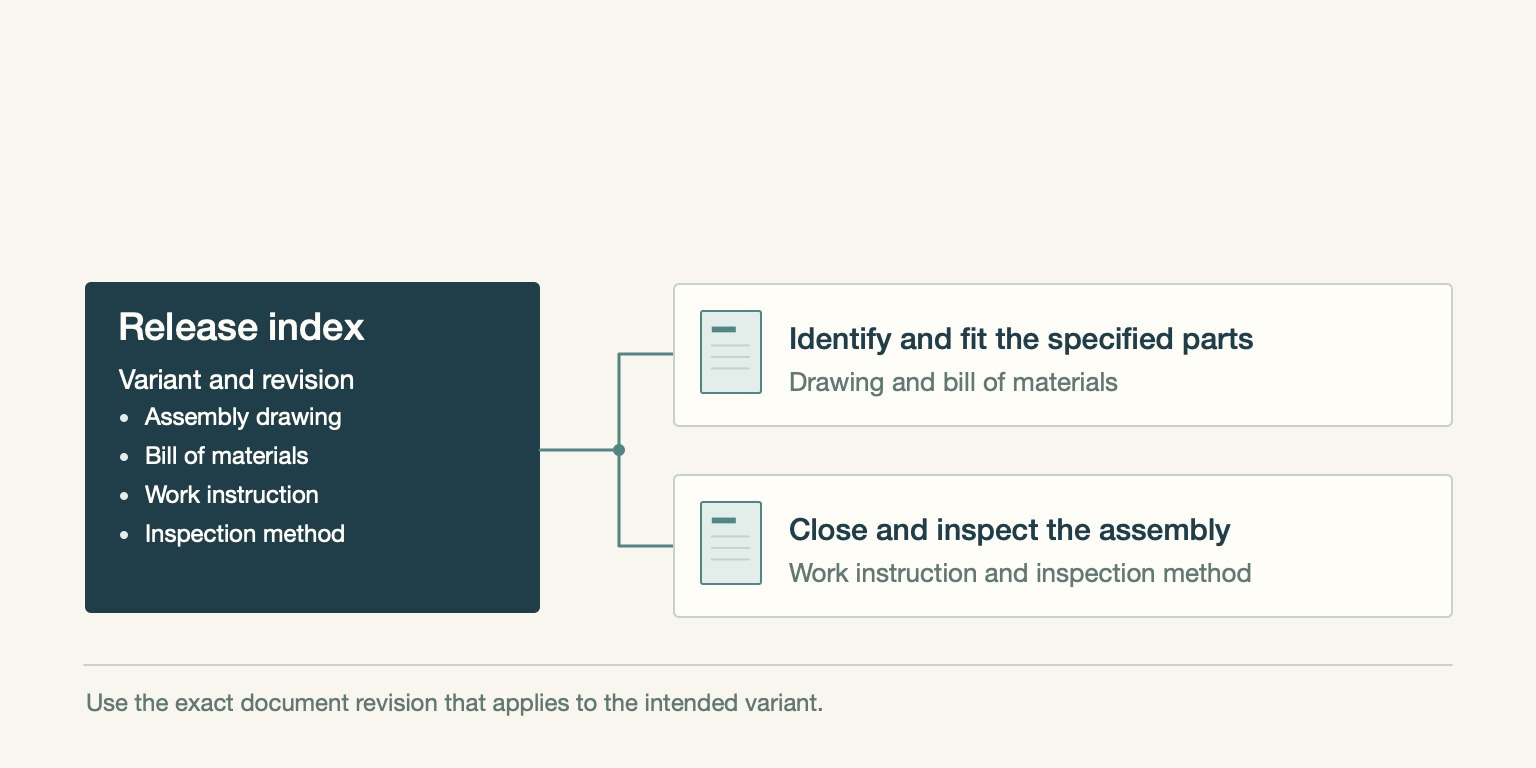
The recipient needs drawings, a bill of materials (BOM), the applicable programs, process instructions, and test and quality requirements. Start the review at the work to be performed. If the receiving team cannot link a drawing to material selection, assembly, and inspection for the intended variant, additional attachments will not solve the problem. Use a release index to identify the configuration and the exact revision or identifier of each document that applies to it.
| Document category | What the factory uses it to do | What to compare at handoff |
|---|---|---|
| Drawings and design outputs | Identify the board and assembly, the fit between parts, and where to inspect | Check that the assembly and board outputs describe the intended variant. |
| Bill of materials | Select parts for that configuration | Tie each required item to its assembly and make approved options visible. |
| Programs | Load firmware or run a controlled operation where specified | Record the approved program or software identifier and what should report as loaded. |
| Process instructions | Build the assembly using the agreed steps and controlled conditions | Look for unrecorded adjustments needed to get the unit together. |
| Test and quality requirements | Check the result and record the applicable disposition | Match test instructions, setup, and decisions to the corresponding product requirements. |
Follow a work instruction from start to finish
Ask the receiving team to choose an operation and walk it forward from the index. For a device that closes around a board, they might identify the intended enclosure and board, check which parts are fitted, locate the instructions for closure, then locate the inspection or test associated with that assembly. If the order of assembly matters to an adjustment, check that the sequence is documented where the work actually happens. If the unit needs a specific firmware state before the test runs, make the load and check identifiable at that step.
This walkthrough catches questions a document-count review misses. A drawing may identify a part but leave the acceptable material option ambiguous. The BOM may include an assembly option without saying which version of the work instruction applies. The test instruction may have been written for a previous enclosure. Write down where the receiving team had to stop and make an assumption, then correct the reference or record the decision before releasing the pack.
Give quality a way to judge the assembly that comes out
The factory needs more than a record that an operation was performed. Attach the agreed inspection or test requirements, what configuration they evaluate, where to record the results, and what to do with nonconforming units. A cosmetic reference for one finish should not be interpreted as a fit requirement for another. If an authorized departure applies to one lot or one variant, make its scope explicit so it does not turn into a standing instruction. On builds with several configurations, use the release index to point each configuration to its own applicable requirements rather than letting a station operator infer the intended selection.
Align the package to the approved configuration
The BOM and fabrication outputs can have different revision labels. What matters is whether the approval identifies that combination as the configuration to manufacture. Our wearable circuit design guide explains why a parts list and the board outputs have to agree on the approved design, even if their labels differ. Ask for the approval record and any change notes that explain how the current set was assembled.
For example, a drawing may have been updated for a mechanical interface while the underlying board fabrication data did not change. The revision record can show the new drawing and the still-applicable board output together. The wrong check is to reject the pairing solely because the suffixes differ, or to accept it simply because the documents have the same date. Follow the links from the authorized change to affected drawings, materials, instructions, programs, and tests. Where a document remains current, keep its exact identifier in the new release index.
Make conflicting instructions visible before the first operation
Check how the factory distinguishes a current instruction from a superseded one. If two plausible files describe different configurations, the approved index needs to resolve which is current. If an approved exception belongs to a pilot lot, identify it against that lot and remove any ambiguity about whether it continues. Keep the decision about a remaining discrepancy with the person authorized to make it; a receiving team that can identify a mismatch can stop and ask a precise question.
The handoff is usable when the factory can explain the intended build from the approved documents, including how they would handle a prescribed inspection and where they would record an exception. For work that still depends on a verbal explanation, capture the missing instruction in the right controlled document. A conversation can reveal a discrepancy, but the floor needs the correction in the release it actually uses.
Separate factory execution from engineering delivery
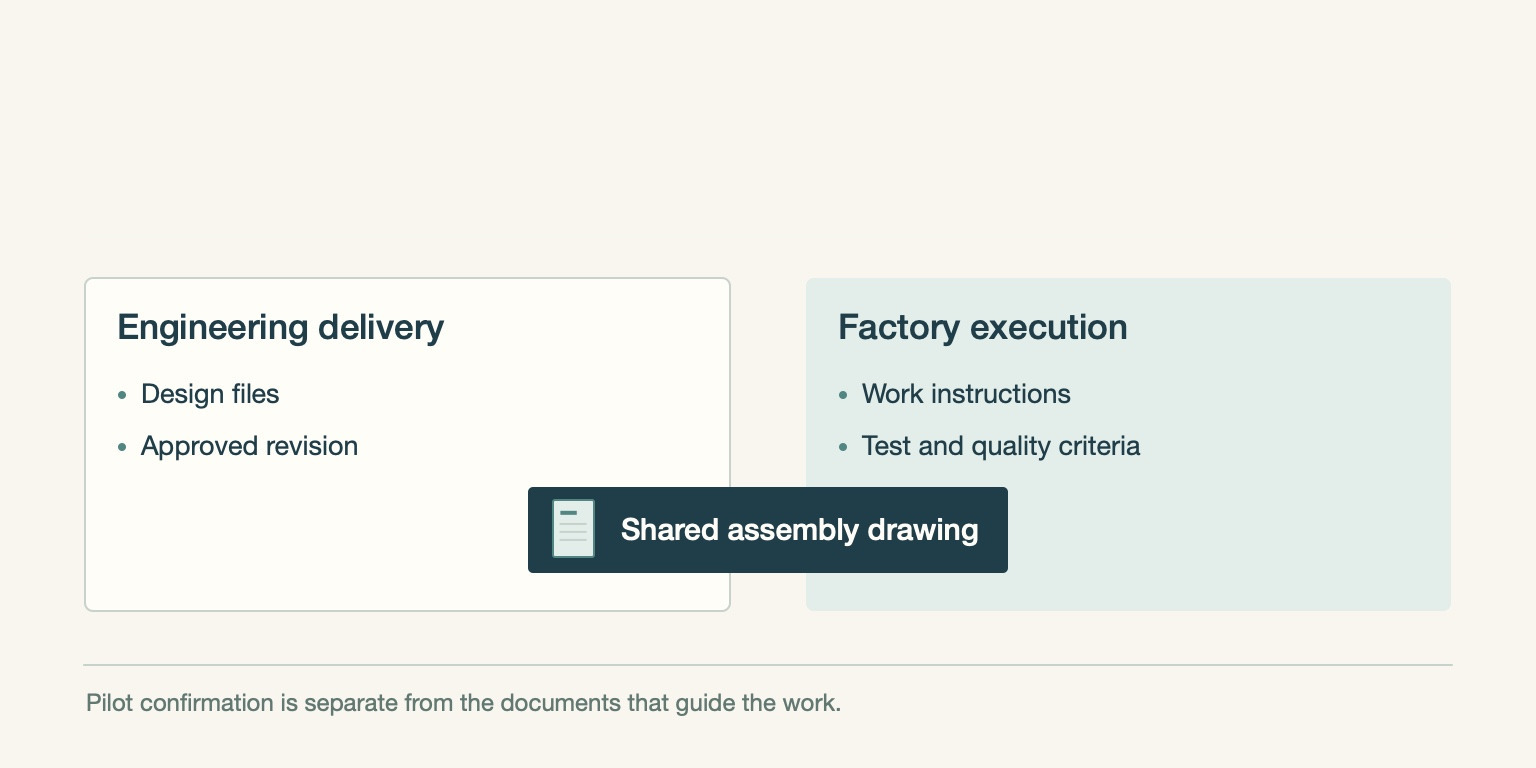
A wearable engineering package contains the design deliverables listed in the project agreement, at the approved revisions. The factory execution package answers a different question: can someone build and judge the approved variant from the working release? The same drawing can appear in both. The factory also needs to know where the drawing applies, which operation references it, and which requirements govern the output.
Our Engineering Acceleration (NTI) service defines the Control Book as the manufacturing package of design files, test specifications, process controls, BOM, and quality standards in a form the production floor can execute. Our NTI exit criteria are a verified Control Book and confirmed Pilot Products. The Control Book documents how to build and check the product; pilot confirmation is separate evidence for the decision to move into Production Delivery (NPI). When reviewing a handoff, bring the relevant pilot confirmation together with the approved package, so the documentation and the product configuration can be examined side by side.
The hardware NPI process guide traces how approved design inputs become a working manufacturing release. The handoff walkthrough below checks what the receiving factory can do with that release. If the supplier is changing, review ownership and transfer of manufacturing documentation separately. For the distinction between engineering and production stages, see how NTI hands off to NPI.
Review a representative variant and a difficult exception
Choose a real configuration from the release, then choose a place where the wrong document would look plausible. The same board may go into two products that use different programs or final assemblies. The handoff index should identify which program belongs to each, how the intended load is recognized, and what the operation does if the wrong variant arrives. This walkthrough is more useful than asking whether the production team received the program folder. It tells you whether the person doing the work has enough information to choose correctly.
Do the same for a deviation whose authorization has ended. The recipient should be able to see that it was permitted on a bounded build without treating it as a current option. If the original instruction still describes the workaround as available, revise the working copy so the instruction and approval agree. Maintain the historical record for comparison while making it hard to use by mistake. For current deviations, a visible reference to the affected material, build, or variant is what lets later reviewers interpret inspection and test evidence correctly.
Review the handoff from the recipient’s side
A controlled release should be usable at the point of work. It is possible for everyone to have access to documents yet disagree about which version to run. Ask the recipient to locate a current assembly instruction, find the drawing it cites, and point to the record that would be generated. If the route passes through a local copy, check how the recipient knows it remains current. The outcome you want is a known path from the authorized release to the point where someone selects parts, loads a program, performs an operation, or judges the finished product.
Give the factory a way to bring back questions on the documents without improvising a change. A missing callout, conflicting inspection condition, or unrecognized software identifier can be logged against the affected operation and release. Then the team that controls the configuration can answer the right question and update the package if needed. Keep the answer out of a separate correspondence thread if a later operator would need it to execute the same work.
Where the handoff includes related units or samples, name the configuration each one represents and how it should be used. A sample used to compare appearance serves a different purpose from one used to evaluate fit or train a test operator. Its value comes from the link to the released work and the condition it represents, rather than from simply being in the same shipment as the documents.
Frequently asked questions
Can the BOM and drawings have different revision labels?
Yes. They need to reference one approved configuration. The approval record should identify the BOM, drawings, and fabrication outputs that belong together and explain which documents changed when the build configuration was updated.
Is an engineering design package sufficient for a factory handoff?
Check whether it includes or points to the applicable production instructions and acceptance requirements. The receiving team needs both the information that defines the design and the instructions and checks that govern how it will be built.
What if a pilot workaround is needed again?
Record where it was used, the affected configuration, and who can decide whether it becomes part of the release. A temporary deviation for a specific build should remain identifiable as such until a change is approved.
Bring a proposed release to the handoff review
Use Accelerate Now to discuss the intended variant, your release index, and a work instruction the receiving team will use. We can walk the references and identify where the factory would still need a decision. Ask about an NDA before sending controlled drawings or programs.