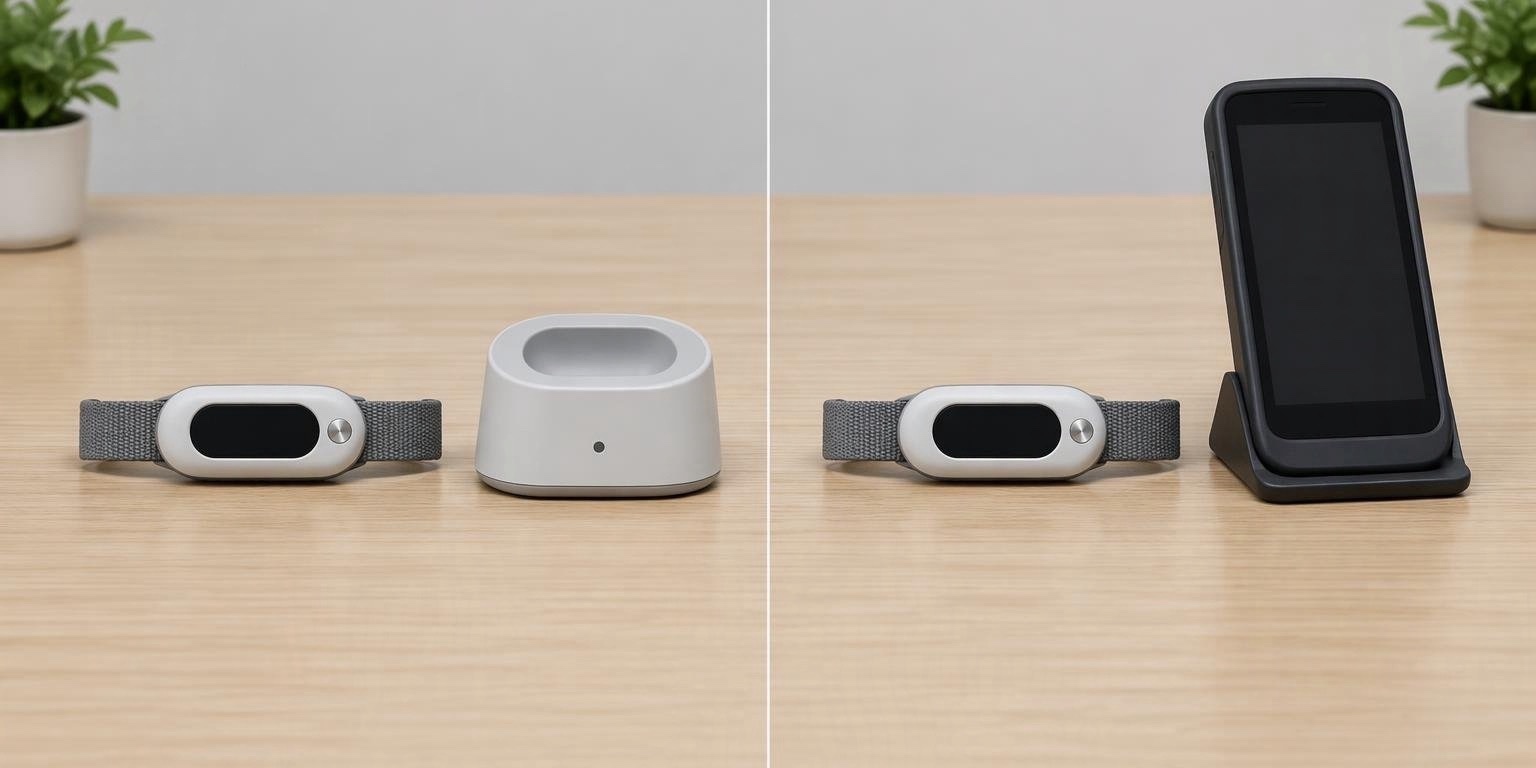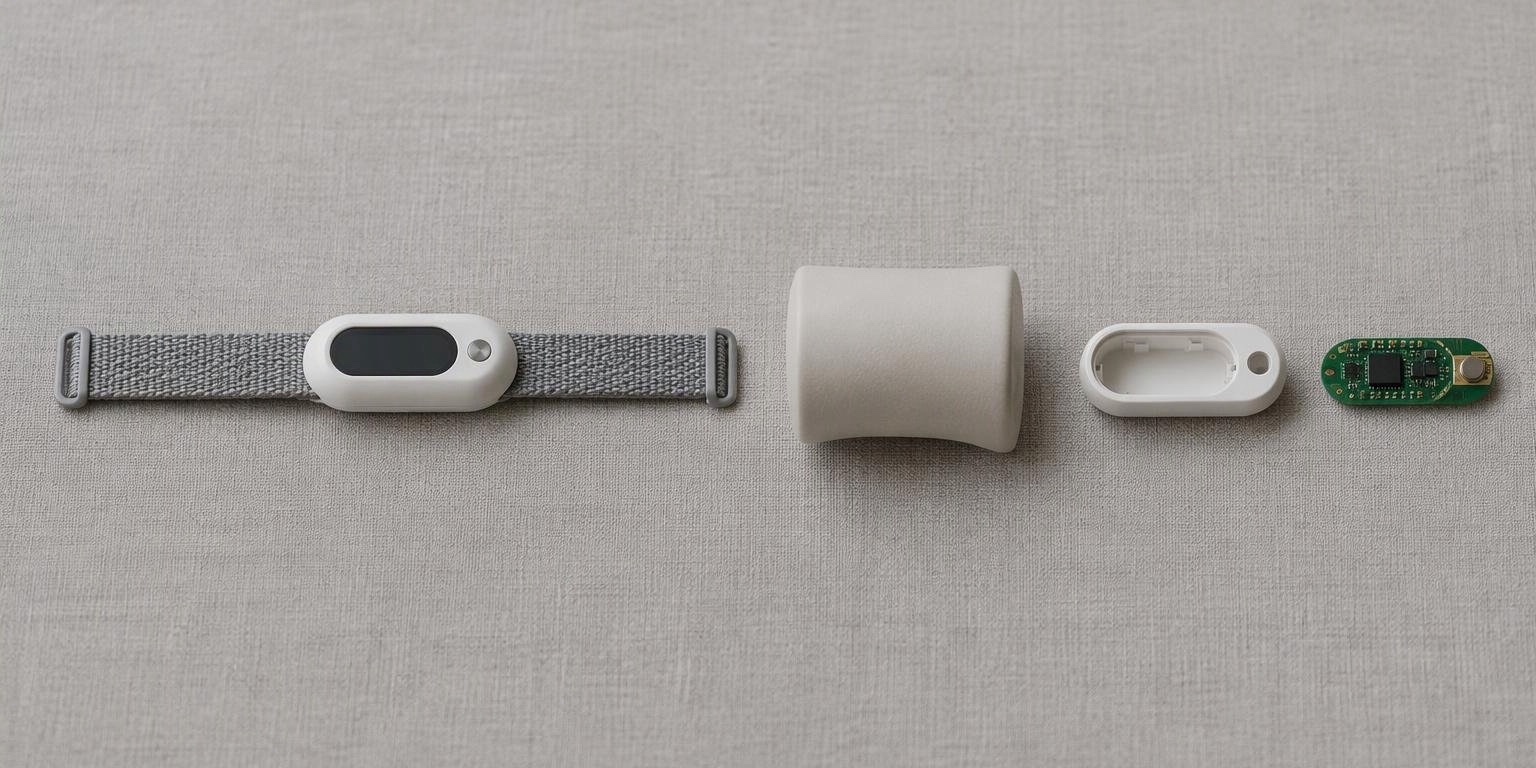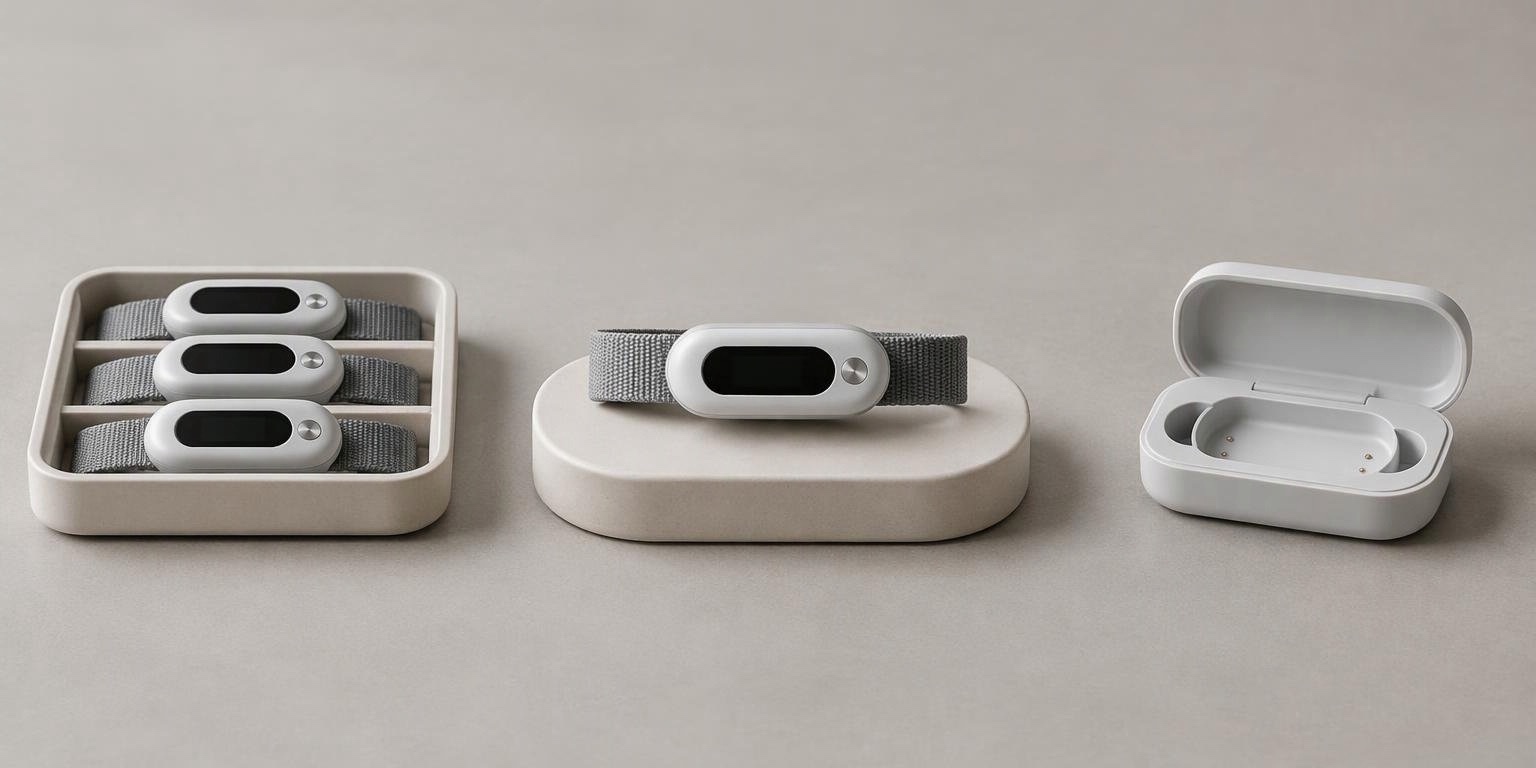
At NexPCB, we review a wearable development milestone by asking what the next build or test needs in order to proceed. Identify the inputs that activity will rely on: for example, the intended use or body-contact conditions, the sensing and circuit configuration, the enclosure interfaces, or the build quantity and purpose. In wearable development, a freeze is actionable when the next team knows what is stable for its work and what can still change.
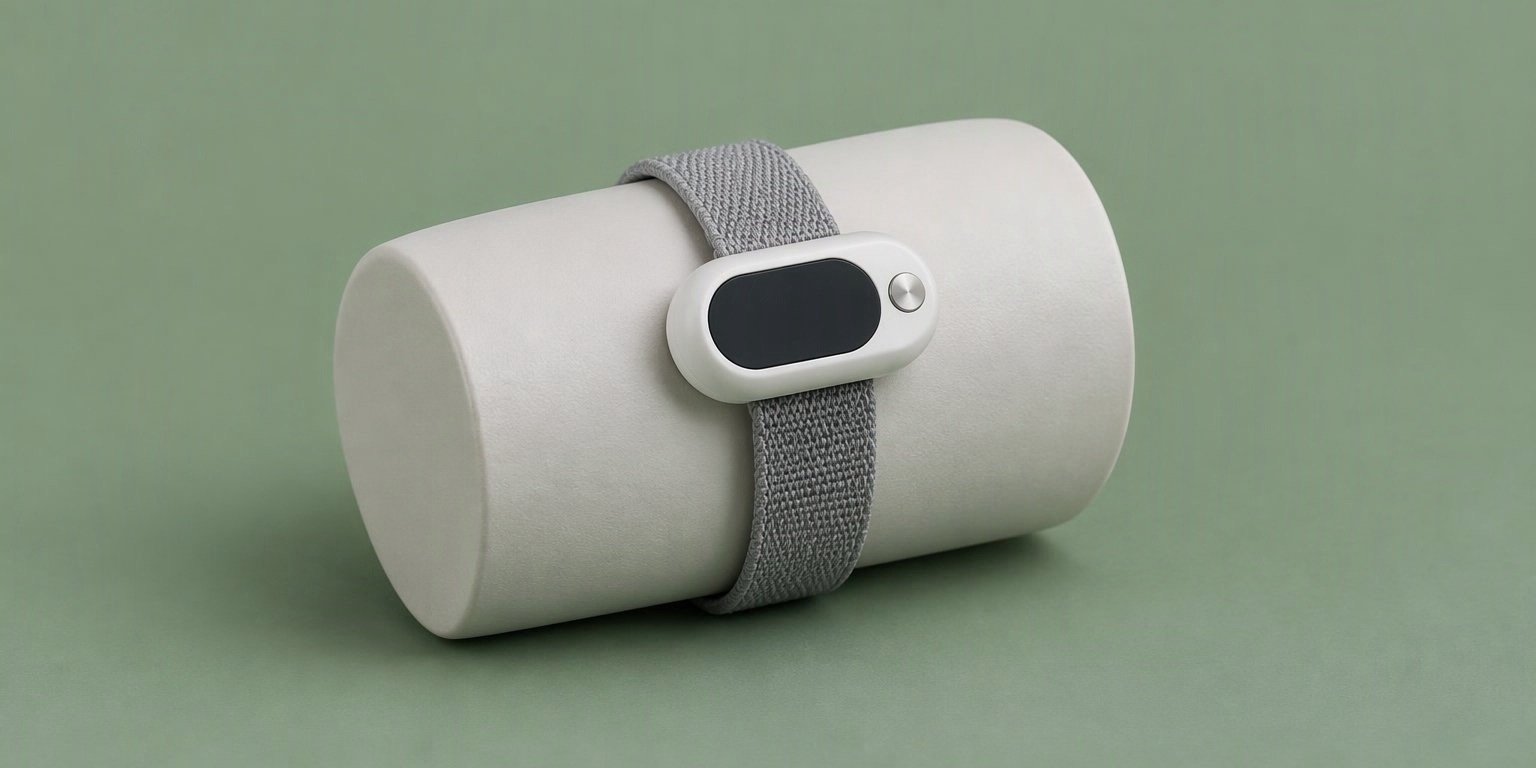
Which inputs should freeze before the next wearable milestone?
A fit evaluation and a production-intent build rely on different things. Before a fit evaluation, the wear location, attachment method, and contact surfaces may be the most important inputs to settle. Before verifying an enclosed device, the sensor and electronics need to be tied to the enclosure condition and the intended way of wearing it. Record the decisions the next activity depends on and identify the configuration they describe.
| Milestone input | What to settle for the upcoming activity |
|---|---|
| Use and body contact | Where and how the device is worn, the conditions the check represents, and which surfaces contact the wearer. |
| Sensor and circuit | The functions being evaluated and the hardware and software configuration supporting them. |
| Enclosure and interfaces | The dimensions, closures, and internal relationships that affect the planned assembly or test. |
| Build quantity and purpose | The units needed for the agreed checks and what the team will do with them afterward. |
For example, if the next build is intended to check sensor behavior in wear, a team needs to know whether the prototype’s method of holding the sensor against the body represents the intended design. A quantity counts how many units are available; purpose says what those units need to demonstrate. Tying both to the milestone keeps a build planned for fit evaluation from accidentally carrying the expectations of one meant to verify the complete assembly.
Record the freeze as a decision, not a date
A milestone entry should say which inputs are approved for the next activity and which assumptions remain open. Give the receiving team a reference to the configuration and the evidence or decision that settled the inputs. If an open question could change the planned test, say so before using the result as evidence for the current design. Our guide to prototype decisions in wearable development explains how the prototype gives the team a basis for those choices.
For a proposed change after the freeze, check which parts of the next activity depend on the original input. If an enclosure change affects positioning, identify which fit or sensing checks need to be revisited. If a software change does not affect the mechanical feature you are inspecting, the mechanical record may still apply. The review output is an agreed baseline and a list of the next activity’s dependencies. A calendar entry can help arrange the review, but it does not establish which design was accepted for the work.
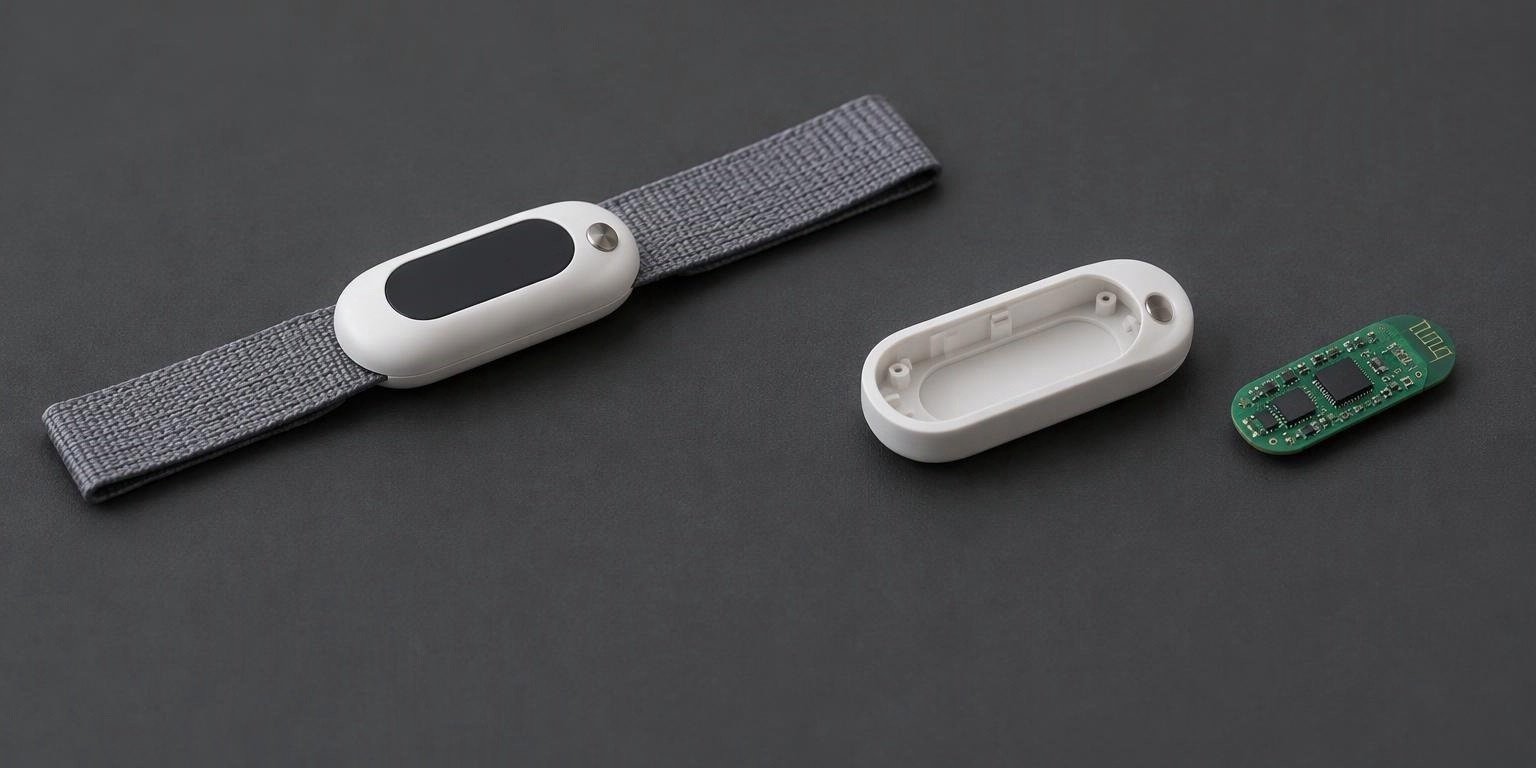
Make the wearable constraints visible in the baseline
Show where the device sits on the body, what controls movement or contact, and how the enclosure, board, and antenna share space. A mechanical change that leaves a board unchanged can still change the relationship between the antenna, nearby materials, and the wearer. Put any clearance the next check depends on into that project’s baseline, with its reference and the configuration it applies to.
Our wearable tracking device example illustrates why it helps to consider wireless behavior and enclosure constraints together. The clearances in that tracking hardware work belong to its own design. For your milestone, identify the assumptions around the antenna and test the applicable configuration instead of borrowing the earlier project’s dimensions.
Before the review, put the design assumption next to the check it affects. If the antenna assumes a particular gap to a metal part, identify the housing and mounting setup that establish that gap. If the contact condition assumes a particular strap position, record it alongside the sensing check. That lets the team see which evidence would need reconsideration if the next prototype changes shape or fit.
For a sensing milestone, list the function you want to evaluate, the intended wear position and contact condition, the board and firmware revision, and the housing or attachment setup. Then assign units to the intended checks and identify who reviews the result. If the enclosure is provisional, state which findings can inform the next iteration and which require a check with the intended housing. Bring that list to the milestone review so the team can agree on what evidence it is collecting before it decides how many units to build.
Frequently asked questions
Which input should freeze first for a skin-contact sensor?
For an evaluation of sensing during wear, settle the intended wear location and contact condition before relying on the result. Identify the hardware, firmware, and attachment used to reproduce that condition. For a bench check that does not depend on skin contact, other inputs may take priority.
Does the enclosure need to freeze before the circuit?
Look at what the next activity needs. A board-level check may proceed with a known provisional enclosure. A result that depends on the closed housing, body placement, or the antenna’s surroundings needs the applicable conditions identified before it can be interpreted.
What if the next build has more than one purpose?
List the inputs and sample needs against each intended use. Where one check changes a unit or relies on a different configuration, identify which units and records belong to each purpose.
Bring the next milestone decision
At Accelerate Now, bring the upcoming activity, the current configuration, and the input your team is still debating. We can discuss what the next result will rely on and where a change would call for a new check. If the baseline contains controlled design details, ask about an NDA first.