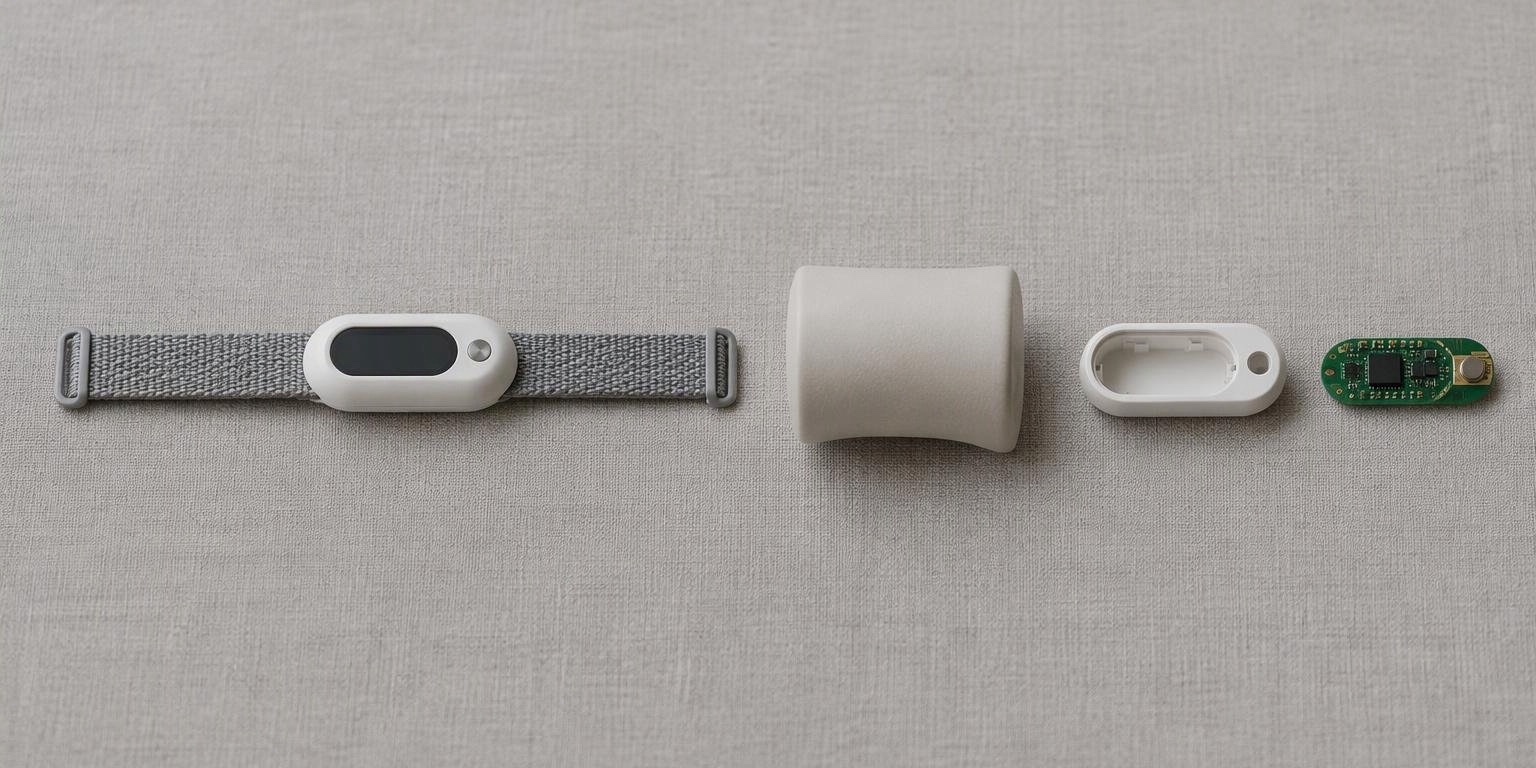
At NexPCB, we start a deliverables checklist with what the reviewer is being asked to accept. Name the item, the configuration it covers, the agreed acceptance criteria, and the person authorized to make the decision. On a wearable program, a pass on one physical sample does not establish acceptance of a different configuration or an entire stage.

Give each stage its own deliverable set
A useful checklist connects the delivered item to what someone will decide after receiving it. “Test report” can describe an engineering check, a completed requirement test, or a manufacturing record. State the configuration and the intended use of the record so the recipient knows whether it supports another design iteration, accepts a requirement, or evaluates how the production process ran.
| Review | Deliverable to check | Acceptance question |
|---|---|---|
| Engineering Validation Test (EVT) | Identified prototype, as-built configuration, findings, and open items | Which finding can inform the next iteration, and which depends on a temporary workaround? |
| Design Validation Test (DVT) | Results traced to the approved requirement, design configuration, and test condition | Which requirements can be accepted for that configuration? Which are still open? |
| Production Validation Test (PVT) | Build record, applicable work instructions, and inspection and test results for the agreed production-intent process | Which checks ran as intended? Did deviations or rework limit what can be accepted? |
For example, if a prototype tests an electrical interface with an open housing and the approved requirement calls for a closed housing, the reviewer can retain the first result for comparison while leaving the requirement open. If a production operator used an extra adjustment, keep the result and mark the condition under which it was obtained. In either case, the acceptance record should state what the evidence supports before the next team relies on it.

Who accepts the deliverables, and can they accept them in parts?
Set sample quantities by asking which checks need units, whether a check consumes or alters a unit, and what evidence the project needs to review after the build. The right deliverable list identifies the use of the samples and the records attached to them. It can specify a quantity when the work calls for it; a quantity agreed on another product does not settle the scope of your validation.
Use the deliverable list to connect three things: the evidence you expect to receive, who prepares or reviews it, and who accepts it. For example, prepare an entry for design validation that describes the specified test result, who will supply it, and where the project records its acceptance decision. If an item remains unresolved, record its intended next step so it is not lost when the rest of the stage is reviewed.
Who signs off on the deliverables
If your team is responsible for accepting a deliverable, agree who will approve it and who will review the evidence for that project. An engineering team can prepare a result or recommend an action; acceptance belongs with the people named for that decision. Identify which evidence the approval applies to and which items remain unresolved, rather than letting an approval of one record stand in for acceptance of an entire stage.
The wearable engineering deliverables guide addresses what goes into an engineering package. For the difference between validation labels and service stages, see our EVT, DVT, and PVT guide. PVT is not a separate stage on NexPCB’s Hardware Innovation Curve. Depending on the project, relevant production-validation evidence may come from the s2 pilot run or from production-intent checks during s3 NPI tooling or s4 ramp-up. Use the agreed validation scope to decide which records support acceptance.
Make the review package easy to accept in parts
Agree how the stage will record an outcome when some of the evidence is ready and some is still in work. For a design validation review, the result for a finished check can be made available beside the list of checks still pending. An apparent pass on a test that used a provisional enclosure should be shown with that condition. If the stage relies on a later result, make the remaining decision visible in the record so a downstream team can see the distinction between an accepted deliverable and completion of the whole stage.
For production validation, identify which runs support the conclusion and which runs were setup or troubleshooting work. A unit built while the station is being adjusted can tell the team something useful, but the acceptance record should say whether the setup represents the process under review. Where the project asks for representative samples to be held or returned, tie each sample to the build record and identify what it represents. These distinctions make a sign-off intelligible to someone who did not attend the trial.
Hand off enough context for the next reviewer
Check a proposed deliverable from the recipient’s side. Can they find the version that produced the result? Can they see what was checked and under what conditions? Can they identify whether a result was accepted for this stage or carried forward as an unresolved action? A reviewed requirement may have supporting evidence spread across a setup record, a test result, and a disposition. Link those records at the point where someone would otherwise have to guess how they fit together.
When the team later changes a part or process, that context makes it possible to determine which evidence remains relevant. A change to a station instruction may affect the production record without changing the design-validation question; a change in operating conditions may mean the agreed requirement needs another check. Where the responsible reviewer has already named that relationship, the next stage can work from it instead of treating the entire checklist as either still valid or obsolete.
Frequently asked questions
Can the same test record appear at more than one stage?
It can be referenced where the configuration, requirement, and conditions remain relevant. When a later review needs results on a changed design or production-intent setup, identify the additional evidence instead of relying on the earlier pass by default.
How do we record a deliverable that is not ready at the review?
Name the requirement, the remaining work, and the decision that depends on it. Record the project’s disposition so recipients can distinguish what was accepted from what still needs a result.
Is a sample quantity enough to define a deliverable?
Pair the quantity with the intended uses, configuration, and associated records. A recipient then knows why the units were built and what decision they support.
Who accepts a DVT deliverable on a NexPCB project?
Acceptance rests with the person authorized for that deliverable in the project agreement. Engineering may prepare or review the test result. The person authorized to accept it records which requirement and configuration the decision covers.
Can a stage be accepted in parts?
Where the project allows partial acceptance, record which deliverables are accepted and which are still open. State which downstream work can rely on the accepted records and which decisions still need evidence.
Bring the decision and the evidence it depends on
Choose an upcoming EVT, DVT, or PVT review and list the samples or records that need acceptance. At Accelerate Now, we can discuss what the evidence needs to show and which responsibilities to agree for that review. You can ask about an NDA before sending project designs or results.