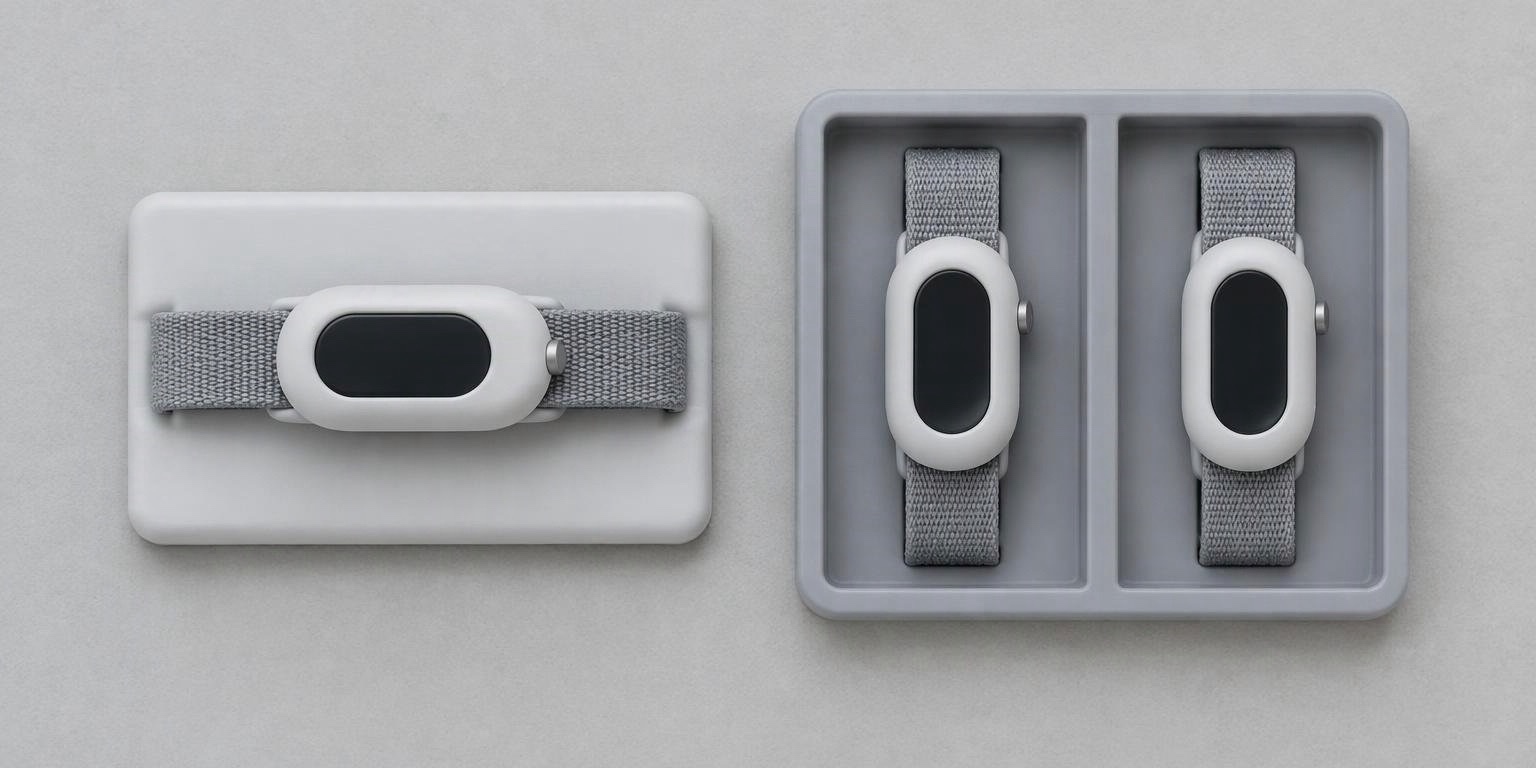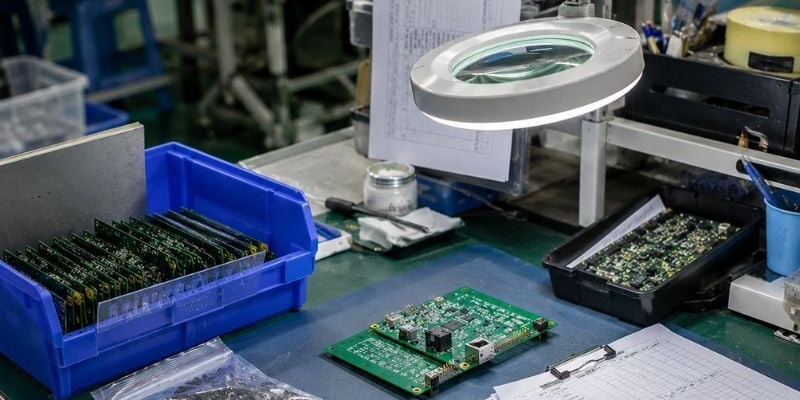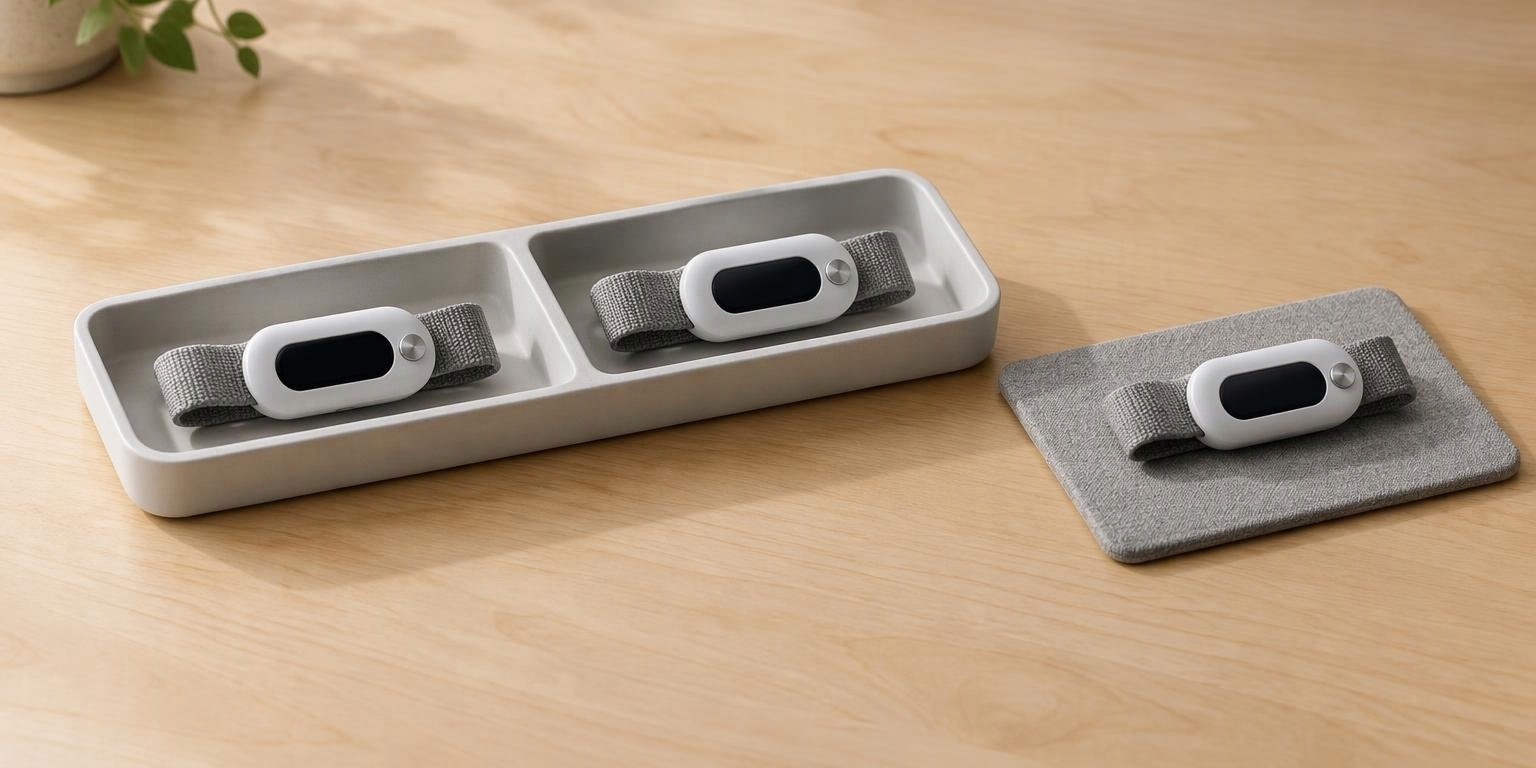
We see two different questions when hardware moves from design validation toward production at NexPCB. Design Validation Test (DVT) establishes whether the tested design meets its agreed requirements. Production Validation Test (PVT) examines whether the planned manufacturing process can produce and check that design repeatedly. Carry the design results into your wearable manufacturing decisions, then state the repeatability question for the line under representative conditions.
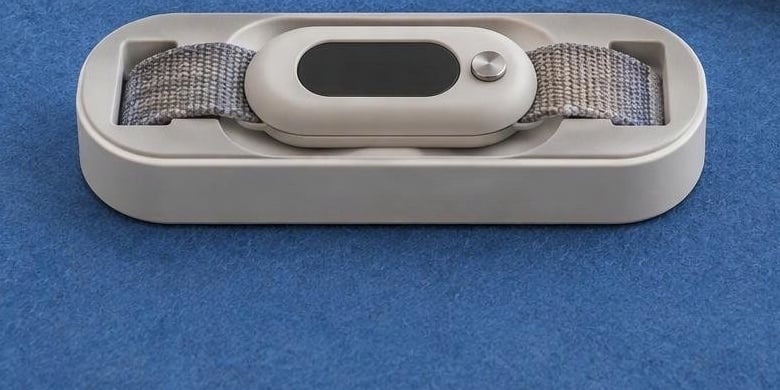
DVT establishes conformance for an identified design
Start with the agreed requirement, then identify the design and the samples that represent it. A result is useful when it says which configuration was tested, what method was used, and how the observation compared with the criterion. For example, a fit check on a near-final enclosure tells you whether that sample configuration met its fit requirement. It does not tell you whether a new mold will consistently hold the dimensions that made it fit.
Be clear about the relationship between a sample build and the intended design. If units used parts from a prototype method, record where that method matters to the requirement. A dimension measured on those units can inform tooling, but the dimension may need to be measured on parts made with the new tool. In the same way, a DVT result obtained with a specific fixture can establish that a function met the criterion without establishing that a line fixture will detect the same fault.
Preserve the conditions next to the outcome. A result such as “meets the requirement” is hard to carry forward if the next team cannot tell which enclosure, board, firmware, or setup it applies to. A conformance record gives the manufacturing team a baseline to compare against, including deviations that were accepted for that evaluation and requirements that were not yet resolved.
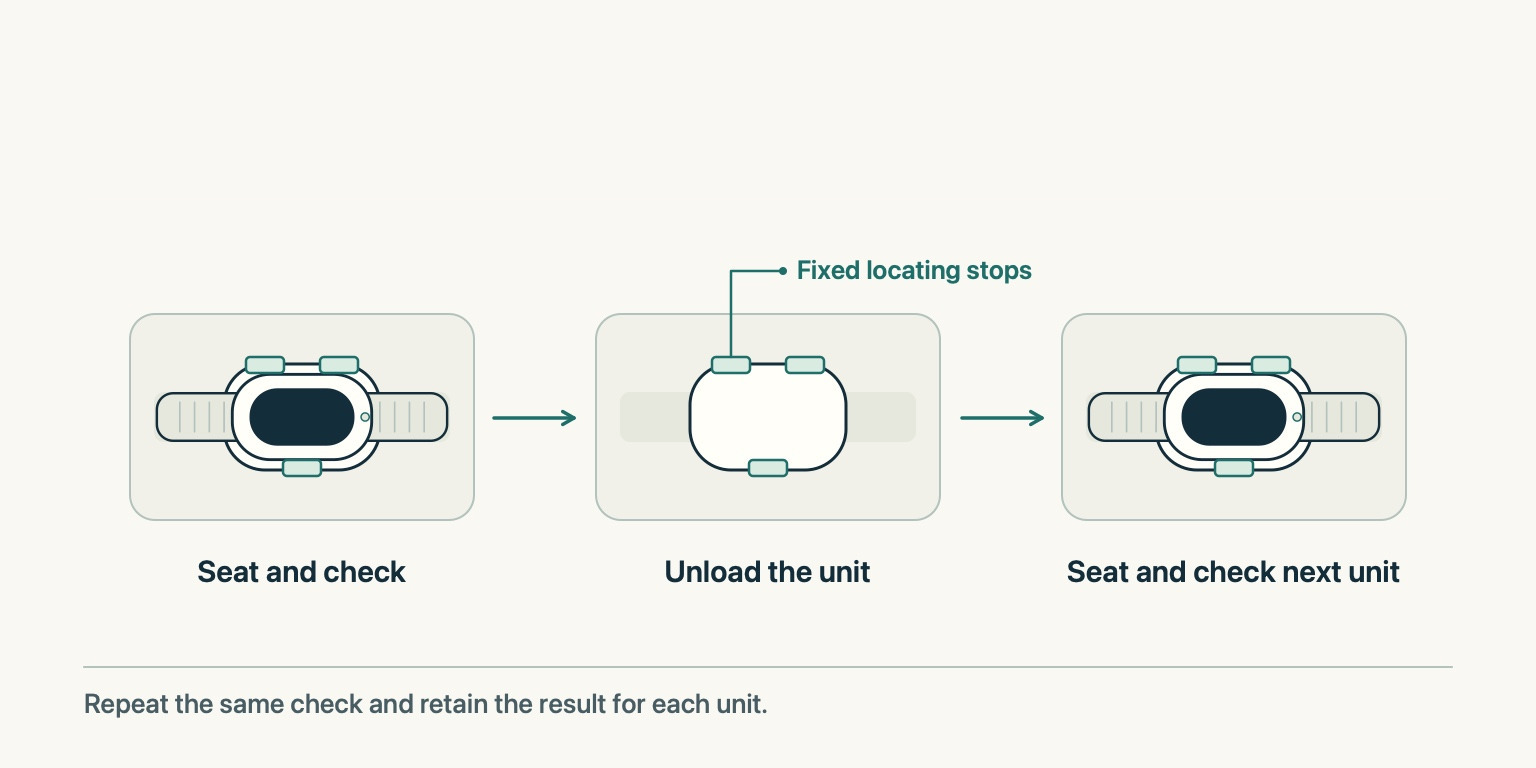
PVT asks whether the process can repeat the result
Production Validation Test is an industry term for examining whether a representative process repeatedly builds and checks the intended product. Decide what the process needs to repeat: an assembly fit, a functional test that consistently distinguishes acceptable units, or another characteristic tied to the product requirements. Name the work instructions, equipment, and test methods in use so a reviewer can tell what the run represents.
Run evidence should show where variation comes from and how it was handled. For example, if an operator adjusts a locator before some assemblies fit, distinguish units assembled with the adjustment from units made under the original setup. Combining both sets under the same result hides the condition that made the process work. Where an unexpected rework step was used, record what triggered it and what it changed. Production repeatability rests on instructions the line can execute, not an unrecorded correction by someone familiar with the prototype.
| Evidence to inspect | What it tells you about the line |
|---|---|
| Build and inspection records linked to the configuration used | Which process and product revision produced the result. |
| Deviations and rework records | See where an adjustment or workaround changed the actual process. |
| Results tied to the inspection or functional test method | The record shows what decision the line’s check can support under its planned conditions. |
The Hardware Innovation Curve names pilot run, NPI tooling, and ramp-up as separate work. Evidence about manufacturing repeatability can inform these activities at different points; PVT does not replace a Curve stage name. If you are still validating the design, specify what must be demonstrated on the new samples before using the next run as evidence about the manufacturing process.
What should you retest after a tooling or process change?
Use the EVT, DVT, and PVT stage guide to identify which build should answer the question. For the checks used when taking a wearable toward volume, see eight checks for mass-production readiness.
Screen the change against the characteristics it can influence, then choose what to retain or rerun. A new mold could change an enclosure’s dimensions, mating surfaces, or the way a part seats. Review the original DVT conditions for the requirements tied to those features. If the revised tool can affect fit or a seal interface, a representative assembly made from the revised tooling can supply evidence the older samples cannot. Separately, an electrical result from a setup independent of the changed feature may still be useful if the design and its tested conditions remain applicable.
A change in assembly can reopen evidence without changing the released drawing. If the product fits after someone uses a different locator or tightens a part in a different order, determine whether that change can affect a product characteristic or the consistency of its measurement. Then make the two decisions explicit: what remains valid about the design, and what still needs to be shown about building it on the line.
You can review a change using three dispositions. Retain a result when the tested characteristic and the conditions that determine it remain applicable. Repeat a check when the change reaches that characteristic or its measurement. Hold a decision when the relationship is uncertain, and identify the comparison that will establish whether a repeat is needed. Document the reasoning by requirement so the next reviewer can retrieve a retained result and trace it to the conditions you judged equivalent.
If the change affects both product behavior and the production check, plan both forms of evidence. A fresh product result can show that the changed units still meet the requirement. A run record can show whether the line makes and checks such units in the intended way. One successful check is informative without doing both jobs.
Trace the effect of a process change
Suppose a production station changes how it holds an assembled device during a functional check. Start by asking whether the fixture applies a force, makes an electrical connection, or places the unit in a physical state that changes the observable behavior. If the fixture changes the reading, determine whether the difference represents a product condition the test is meant to detect or an effect introduced by the station itself. That distinction guides what to compare before depending on the new setup.
The design result may remain applicable if the new fixture does not change the product state or measurement conditions that supported it. In that case, a station comparison can focus on whether the revised method reaches the same accept/reject decision for the behavior in question. If the change also affects how the assembly is made or what state the product is in, you have a second decision: does the changed unit still satisfy the underlying product requirement? Keep the two records linked without treating them as the same test.
Ask the line team what it would do with an ambiguous result. If the work instruction says to repeat a check after repositioning the unit, capture the initial result and the reason for repeating it. That history can help distinguish variation in the units from variation in how the station measures them. Recording the final pass alone can hide either source of variation.
Frequently asked questions
What should I review first after a tooling change?
Identify the features the new tool can change and the design requirements that depend on them. Compare those requirements with the sample and method recorded in DVT before deciding on a repeat check.
Does a passed DVT result mean a line test is ready?
A design result can inform the criterion and test method. Evaluate whether the conditions and equipment at the production station let the operator make that same decision on representative units.
Is PVT the same as a pilot run?
No. A pilot run is a build with assigned objectives. PVT asks whether a representative process can make and check the design repeatedly. A pilot can contribute evidence when its tooling, process, and checks represent the work you intend to assess.
Plan the next production-representative run
Bring the tooling or process change and the design result it might affect to Accelerate Now. We can discuss which conclusion still holds and what you need to see on the next production-representative run.