When we plan a pilot run at NexPCB, we start with what you need the build to demonstrate. A pilot line gives you a controlled setting to make a limited batch and see how the product and process perform. For a wearable device, decide which evidence will let you take the next step before deciding how many units to build.
Give the pilot a defined objective
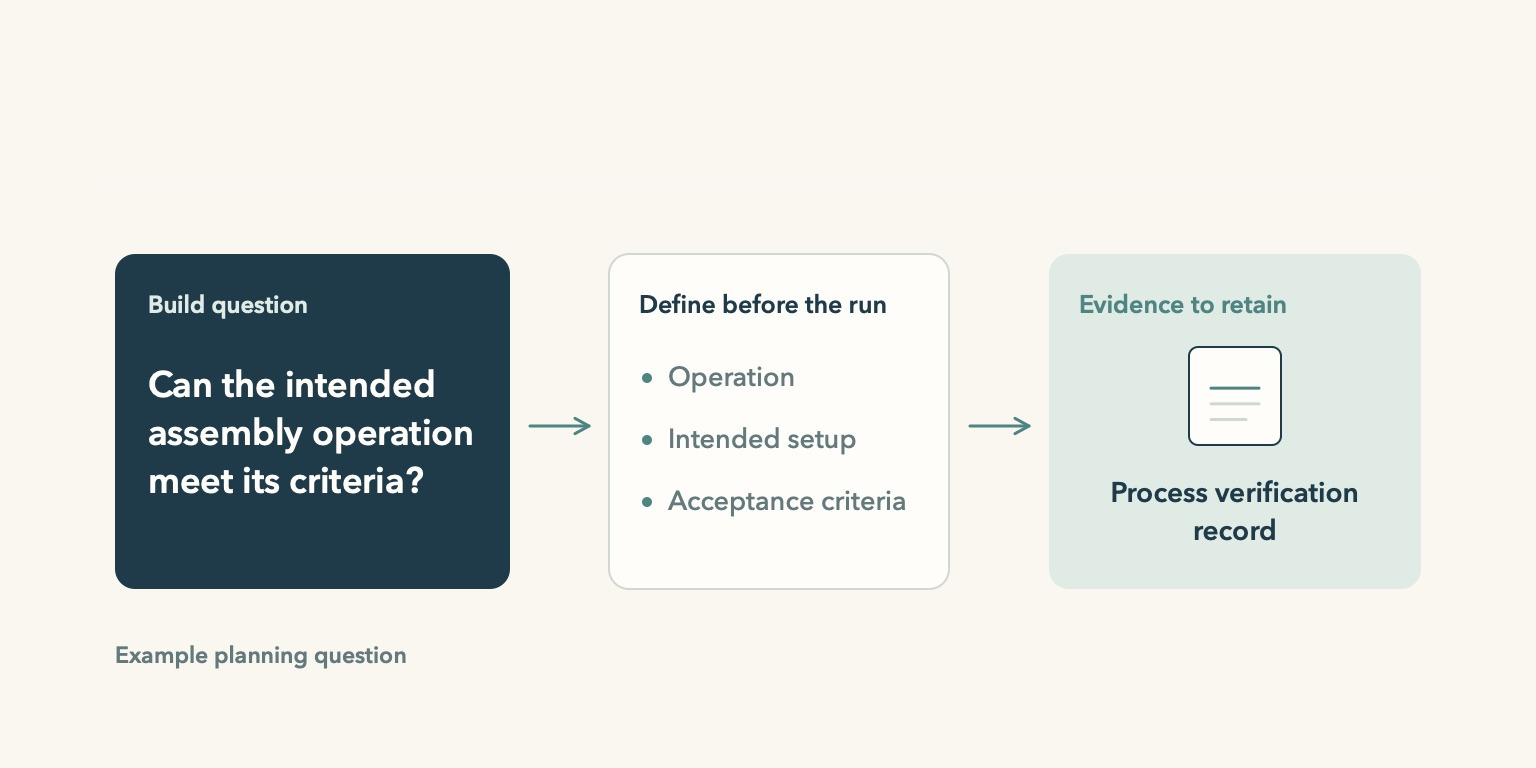
Turn “run a pilot” into a question the batch can answer. If assembly is the concern, identify the operation, intended setup, and acceptable result. If a test method is the concern, specify which conditions and limits make it meaningful. Name the deliverable in advance: engineering observations, a process verification record, feedback from a defined beta use, or evidence returned by the certification lab.
Allocate pilot units by purpose
Our Engineering Acceleration service for New Technology Introduction (NTI) identifies four common uses. Before scheduling the build, allocate units to the purposes that apply to your pilot:
- Certification lab testing: Set aside separate units for destructive tests so those devices are not counted again as beta or engineering samples.
- Internal engineering QA: Reserve units for stress tests, edge cases, and failure investigation.
- Investor or customer beta validation: Allocate devices for use in the target environment and decide what feedback to collect.
- Manufacturing process verification: Run units through the intended operations and preserve the build and test records that show how the line performed.
Our NTI service covers prototyping and pilot delivery from 1 to 250 units. The quantity for your pilot follows from the intended uses, the recipients, and whether the planned testing leaves units available for another purpose.
What evidence should each pilot group return?
For each allocation, note who receives the units, what evidence comes back, and what remains open if the result comes up short. Compare the actual allocation and results against the plan at the end of the run. Use the following records as examples; agree the exact outputs with the people who need to act on the results.
- Certification lab testing: Capture the unit identifiers and tested configuration, the lab report for the tests commissioned, and the disposition of the submitted units. If a result requires a design correction, record whether the lab needs a newly built sample or additional evidence. This record does not turn an engineering or beta result into certification evidence.
- Internal engineering QA: Record the hardware and firmware revisions, the stress or operating conditions, the expected behavior, and what actually happened. If a device fails at the edge of its operating range, identify which check should be repeated on a corrected build and which observations can still be used. Keep the original result beside the follow-up so a later pass does not hide why the change was made.
- Investor or customer beta validation: Give the recipients a defined use scenario and a way to report problems. Keep the device version, use conditions, observed behavior, and the follow-up decision together. For a wearable, feedback about a fastening step can identify an issue to investigate, while a separate engineering check establishes whether a changed fastening design meets the applicable requirement.
- Manufacturing process verification: Keep the route and setup used, the unit results, deviations from the planned process, and any rework. If a fixture adjustment was needed to assemble some units, record where and why it happened. Compare that intervention with the intended production instructions before using the pilot to support a decision about the line.
For a group that shares units with another activity, record what condition the devices are expected to be in at transfer. A non-destructive engineering check may leave a unit fit for beta use, but a stress exposure or disassembly can make it unrepresentative even if it powers on. Track the allocation by unit or batch as appropriate, and reserve replacements where losing a sample would leave a planned question unanswered. Bring process findings forward when you decide what changes in the next build.
What should the pilot establish before production tooling?
At NexPCB, the published exit evidence for NTI is a verified Control Book and confirmed Pilot Products. The Control Book includes the design files, test specifications, process controls, bill of materials, and quality standards that the production team will use. Link the pilot units and relevant results to that package so reviewers can tell which configuration was demonstrated. If the pilot exposed a tooling-sensitive issue, identify where its disposition is recorded before committing to tooling for that design. A delivered box of working samples does not answer that tooling question on its own.
Our Production Delivery service for New Product Introduction (NPI) supports scaling from hundreds to thousands of units. This is a published service range, not a minimum order or a formula for how many units to pilot. The NTI pilot quantity follows the evidence you need to collect; a production quantity follows the approved production scope. Our guide to the NTI-to-NPI handoff explains where that shift happens.
At the pilot review, check each finding against the decision assigned to that group. A delivery record can confirm that beta users received the planned units, but it does not tell you whether the target environment was exercised. Likewise, a passing lab result on the submitted configuration can answer a certification question without showing that the assembly line can reproduce the result. If the evidence for one group is still open, identify the decision it affects; avoid holding an unrelated activity merely because its record appears in the same pilot report.
Review the manufacturing group’s records against the proposed process before the next run. If an operator used a temporary aid, preserve the result with that condition and decide whether the aid should become part of the work instruction or whether a later run should demonstrate the intended setup without it. This gives the next build a specific question to answer instead of repeating the pilot at a larger quantity.
Frequently asked questions
Can certification units also go into the beta group?
Plan separate units when certification testing is destructive. For other tests, check that the device condition after testing still represents the beta use you want to evaluate.
What does a pilot run have to prove before NPI?
It should support the planned next commitment. NexPCB’s NTI exit evidence is a verified Control Book and confirmed Pilot Products. Compare the pilot results with the configuration in the Control Book and resolve findings that could change the proposed tooling.
How do I split pilot units between certification, beta and process verification?
Work back from the evidence each group needs, reserve separate units for destructive tests, and track which devices can be handed on without changing what the next activity can demonstrate. Include internal engineering QA when it addresses a separate question.
Bring the pilot question before the quantity
Share the objective, planned recipients, and expected evidence at Accelerate Now. We can use that allocation to discuss the build you need.