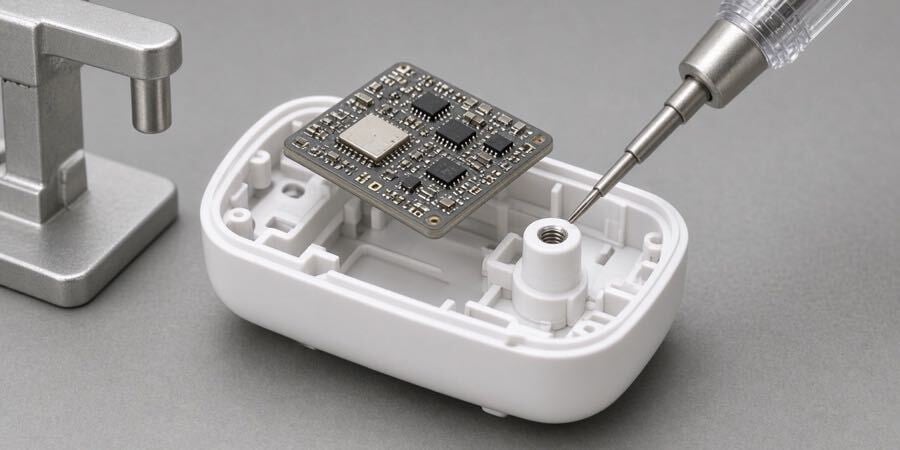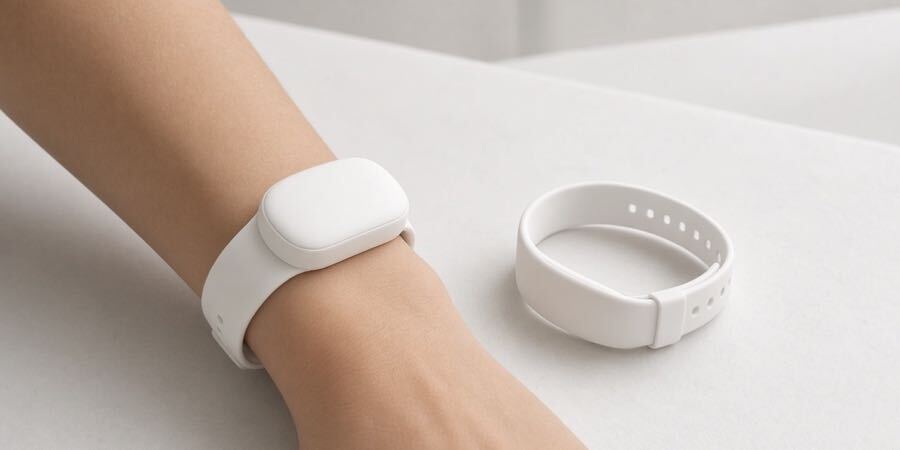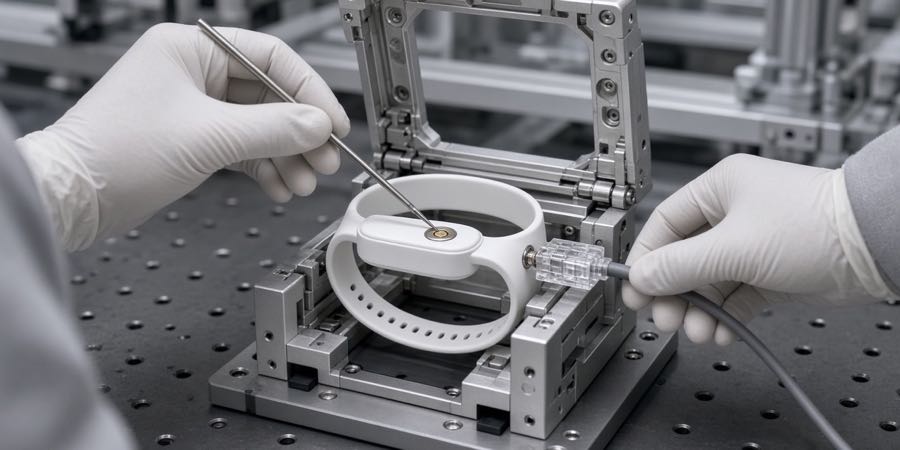
A clean solder joint shows the joint. Wearable electronics manufacturing still has to prove the functions that joint can move, before the housing closes around the board. At NexPCB we separate placement, a version change, and the board-level function, because each one stops a different later step. Board build sits in electronics manufacturing. The wider device path is on our wearable solutions.
Constraints that change the board
Three conditions change what the board has to prove.
Placement changes the process. A fine-pitch part, a connector, or a textile bond that cannot take a reflow profile decides how that board is built and how the joint is inspected. The check confirms the part can be placed, and that the joint can be seen.
A version change moves functions together. Vibration, a button, and current draw can all shift when a resistor value changes. The check has to name the functions that revision can touch. Comparing the new bill of materials with the previous one is how that list is made. Regression on those functions sits next to the board-level functional tests already agreed for the product.
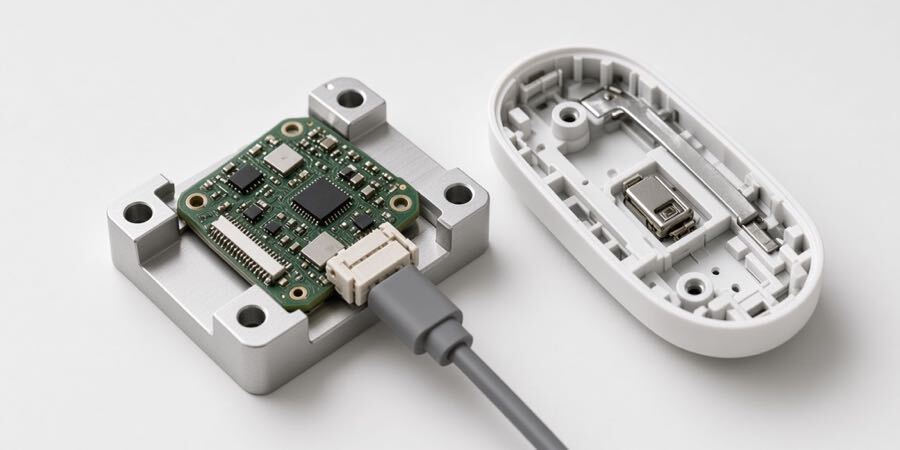
The closed device asks a different question from the board. Appearance and the solder joint answer whether the board was built. A board-level function answers whether the circuit does what the product needs. Behavior after the housing closes answers the device. Those three results are kept apart, and the pass rule for each one is set on the project. Coverage of inspection such as optical inspection or X-ray is set the same way, against the risk on that board. Quality assurance is where those records sit.
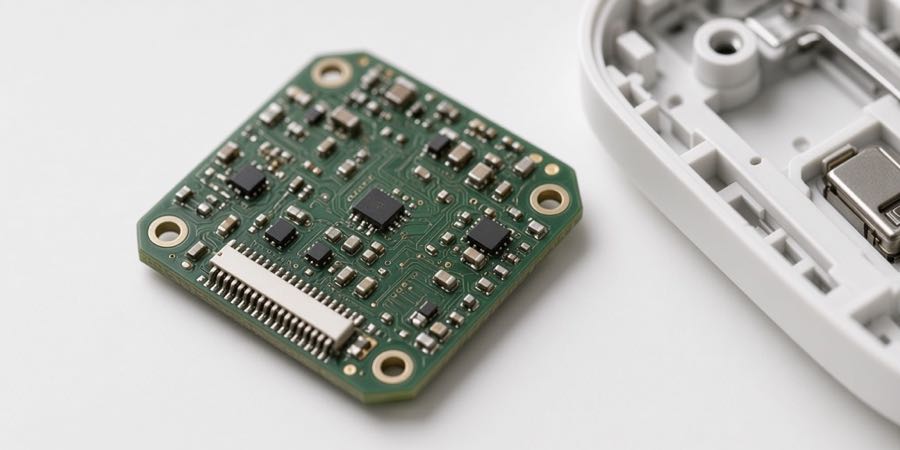
How wearable electronics manufacturing proceeds
| Risk | What the check is for | What you bring |
|---|---|---|
| Odd-form or fine-pitch parts | Confirm the part can be placed and the joint inspected. | The footprint, the part, and the inspection rule. |
| A new bill of materials | See which functions the revision can move. | The current bill, the previous bill, and the change note. |
| Board function | Run the agreed board-level functional tests the closed device will rely on. | Firmware, the test setup, and the pass rule. |
| After the housing | See the same functions once the board is inside the device. | The function list from the board check. |
Until that change note exists, a weaker motor or a dead button has no revision to point at. Engineering acceleration is where we run this check while the design is still moving.
What a board project showed in the resistors
A version change can pass a visual check and still move the function.
On a smart-textile wearable, we found a weaker vibration motor and an unreliable button after a design update. We compared that design with the historical bill of materials and found the incorrect resistor changes. Three resistor fixes were confirmed and applied across the prototype boards, as written in the resistor change on a smart-textile wearable.
Before your housing closes, bring the current bill of materials, the previous one, and the change note. We run the agreed board-level functional tests, and we regress the functions that revision can touch.
Frequently asked questions
What should the board prove before it goes into the device?
Before enclosure assembly, the board should pass the agreed board-level functional tests. A revised design also needs regression testing for functions affected by hardware or firmware changes. A solder joint that looks right leaves vibration, the button, and current still open until those functions are run.
Why keep the board result and the device result apart?
They answer different failures. A board can pass its own test and then lose a function once the connector, the seal, or the housing loads the circuit. The device result is the one that catches that.
What to bring to the first conversation
Bring the design revision, the bill of materials, and the note of what changed. If firmware or a test requirement already exists, say what it is. We then list the functions still missing from the board check before assembly continues.
Share detailed design files once a non-disclosure agreement is in place. Start at our project inquiry form.