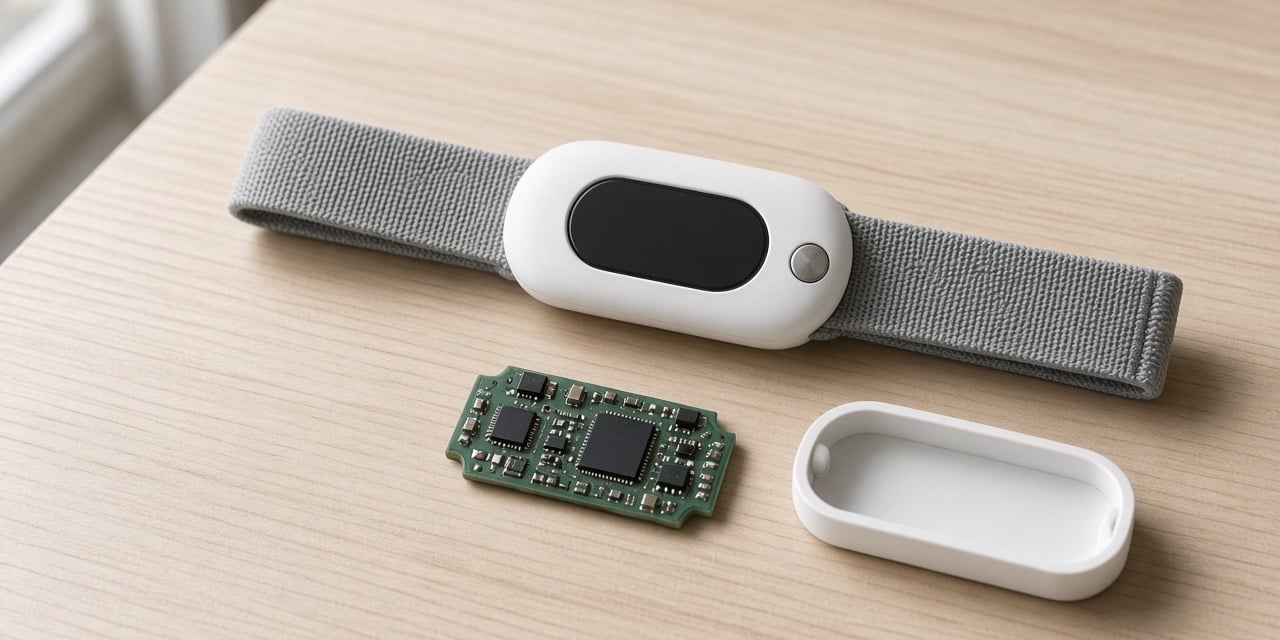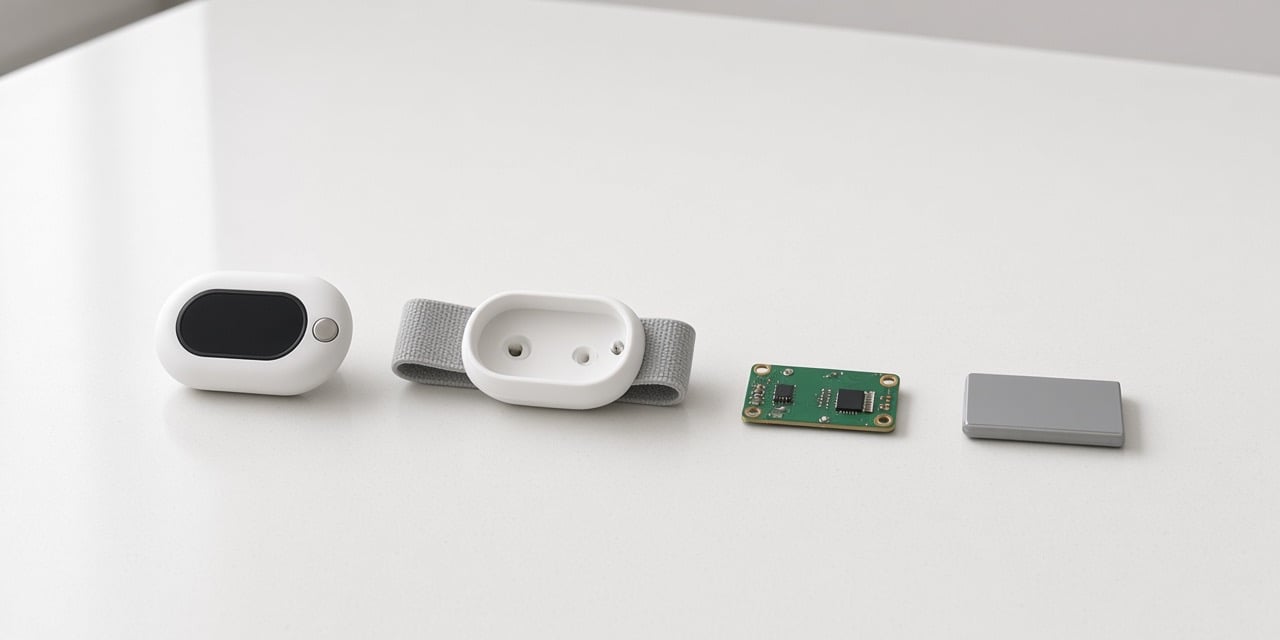
A wearable manufacturing partner audit at NexPCB opens three groups on the factory visit: process, trace, and change. A trace that cannot be opened from a finished unit is a table. Incoming materials control, visual inspection, X-ray, automatic optical inspection, and functional testing are how we check a board (electronics manufacturing). Later changes stay in product lifecycle management.
| Group | Opened from | Still unchecked when |
|---|---|---|
| Process | The work order, through sales, purchasing, production, inspection, and shipment | The first-article file or the soldering-iron check cannot be reached from that order |
| Trace | Supplier, lot, and quantity on the way out, on the supplier record that states this path. The order number on the way back, within 30 minutes, on that same record | Board identity stops at the bare board |
| Change | Numbered drawings, assembly procedures, and inspection standards | A returned revision does not apply to that order, that lot, and the change window |
Process is the chain the other two open from. Trace is the path from a finished unit back to the supplier. Change is the revision that unit was built to.
What the manufacturing process group has to show
The process group is the first-article record, the rework path for a nonconforming unit, and the equipment check and maintenance record, including the soldering-iron check. It also includes the supplier evaluation. The work order has to pull the sales order, the purchasing record, the production record, the inspection, and the shipment. A record you can audit is one you can open from the work order.
On the visit, the process check is whether that chain opens. A first-article record that cannot be reached from the work order, or a soldering-iron check that is not on the equipment record, is a process item still open. That record is the board's first record.
A chain that opens from the work order is the start of the forward trace. The reverse trace that comes back within 30 minutes belongs to the supplier record that stated that time. It is not a time written for every factory or every order.

What the trace group has to show
Forward trace follows the unit out. On the lots that barcode the unit, the supplier, the lot, and the quantity have to match at incoming, and each barcoded serial number is recorded and checked for a duplicate. The identity on the board has to travel with the unit. An identity that stops at the bare board leaves a later question stuck there. The final-inspection barcode table carries the work-order number, the carton, the barcode, the duplicate check, the character-length check, and the ship date.
Reverse trace comes back the other way. On the supplier record that uses a two-person incoming check, both inspectors pass before that check counts. The next section is the 30-minute path from that same record.
A unit that can be found still has to show which revision it was built to. That record is the change group. A change from one build to the next is in that record before the order continues, when the change applies to that order.
What the reverse trace returns within 30 minutes
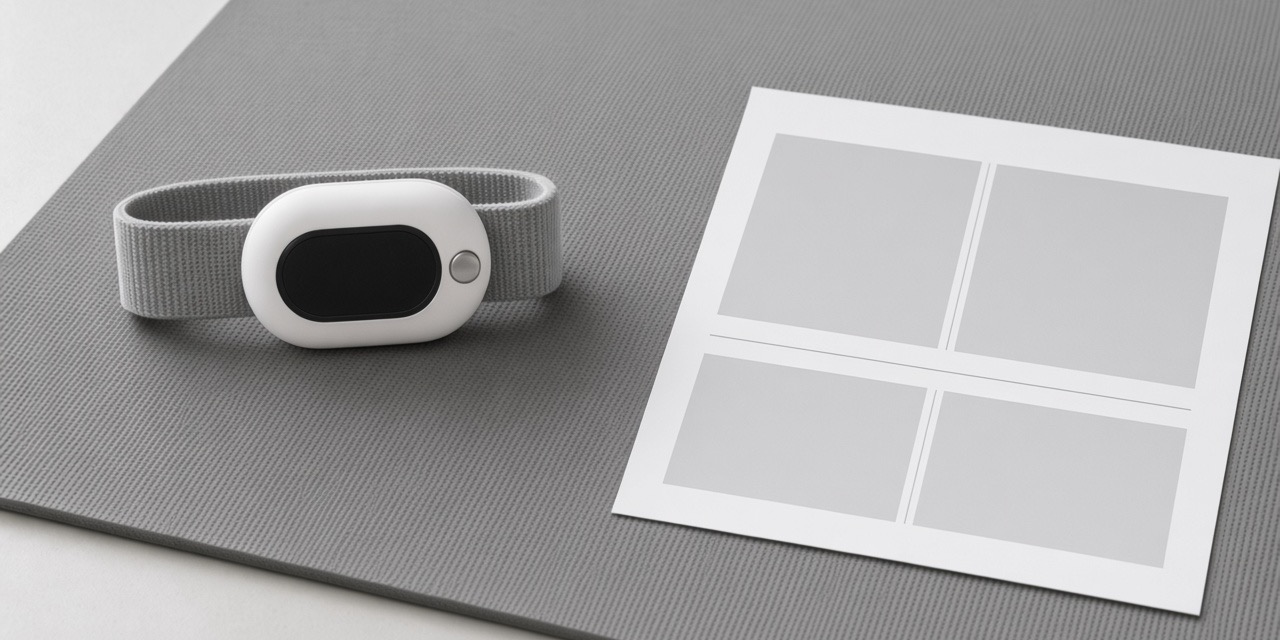
Given an order number, the check on that supplier record produces the supplier source, the inspection time, the inspection result, and the logistics within 30 minutes. Someone on the visit that uses this record has to be able to open that path. The sheet in the photograph is a field layout. It is not the trace record.
What the change group has to show
An engineering change is filed on its own. Drawings, assembly procedures, and inspection standards are numbered and revision-controlled. The current file and the revision a historical lot actually used are not the same question. An older revision is a problem when it does not apply to that order, that lot, and the change window. Finding an older revision in a search is not, by itself, a failed audit.
Two changes show what that record contains. A watch added a shield bag and an ESD sticker through an engineering change. A structural improvement was finished, and the sample updated, before the order continued.
Frequently asked questions
What does a supplier process-change notice have to show?
The notice names the affected part number, the change, when it takes effect, the verification, and the impact on the build. Opening the part to read the wafer mark is one check, used when that notice and that part call for it. It is not the whole notice.
What does the AS6081 reference decide?
The AS6081 reference is the anti-counterfeit risk management the incoming check is set against. The two-person review on that supplier record is one control inside that work. It does not replace the standard.
What to bring when you audit a manufacturing partner
Bring the order number you would want traced, and say whether you want the process file, the barcode file, or the change file opened first. If an engineering change is already in draft, bring the revision it should land on. Drawings come across after a non-disclosure agreement. Start at our project inquiry form.